L-Theanine: What It Does, Side Effects, and How to Take It Right
by
RestEase Editorial
on
Sep 22, 2026
L-theanine is an amino acid found almost exclusively in green tea, and it does something other supplements rarely achieve: it calms the brain without making you tired. It doesn't sedate, stimulate, or suppress neurotransmitter production. Instead, it promotes alpha brain wave activity — the electrical pattern associated with relaxed alertness — and modulates the balance between excitatory and inhibitory signaling in the brain.
The result is a state most people recognize immediately: a quieting of background mental noise without a corresponding drop in energy or focus. It's the feeling behind "one cup of green tea" before a high-stakes task, formalized into a consistent, measured dose.
L-theanine promotes alpha wave activity in the brain within 30–60 minutes — the same frequency pattern seen during deep focus or meditation, without requiring either sleep or stimulants to get there.
What Does Taking L-Theanine Do?
L-theanine crosses the blood-brain barrier within 30–60min of ingestion and works through several overlapping mechanisms. It partially antagonizes NMDA glutamate receptors — reducing the excitatory signaling that drives anxiety and mental overactivation. It supports GABA production and raises serotonin and dopamine levels in specific brain regions. And its most distinctive effect is a measurable increase in alpha-wave frequency (8–14 Hz) on EEG readings, typically visible within 40 minutes at a 100mg dose.
Alpha waves are not a sleep state — they're the brain's "idle but ready" mode. EEG studies consistently show that more alpha activity correlates with lower anxiety, better attention control, and faster cognitive switching. L-theanine doesn't produce this state synthetically; it appears to remove the cortical noise that suppresses it naturally.
The caffeine-theanine combination is worth naming specifically. When L-theanine (100–200mg) is taken with caffeine (50–100mg), the two compounds interact in ways neither produces alone: theanine blunts the jitteriness and cardiovascular stimulation of caffeine while preserving and in some studies enhancing its attention and reaction time benefits. This is the reason green tea feels qualitatively different from coffee despite containing caffeine — the theanine content changes the character of the stimulation.
Effects, Side Effects, and vs Ashwagandha
L-theanine doesn't do one thing — it shifts several systems at once. The practical effects depend on timing, dose, and whether you're pairing it with caffeine or taking it alone at night.
🧠
Alpha Wave Promotion
EEG studies show measurable increases in 8–14 Hz alpha activity within 40 minutes of a 100mg dose. This is the brain state associated with calm focus — not sleepiness, not stimulation.
😌
Anxiety Reduction
L-theanine reduces the cortisol response to psychological stress in clinical trials. Salivary cortisol and heart rate measurements both show blunted stress reactivity within an hour of a single dose.
😴
Sleep Quality
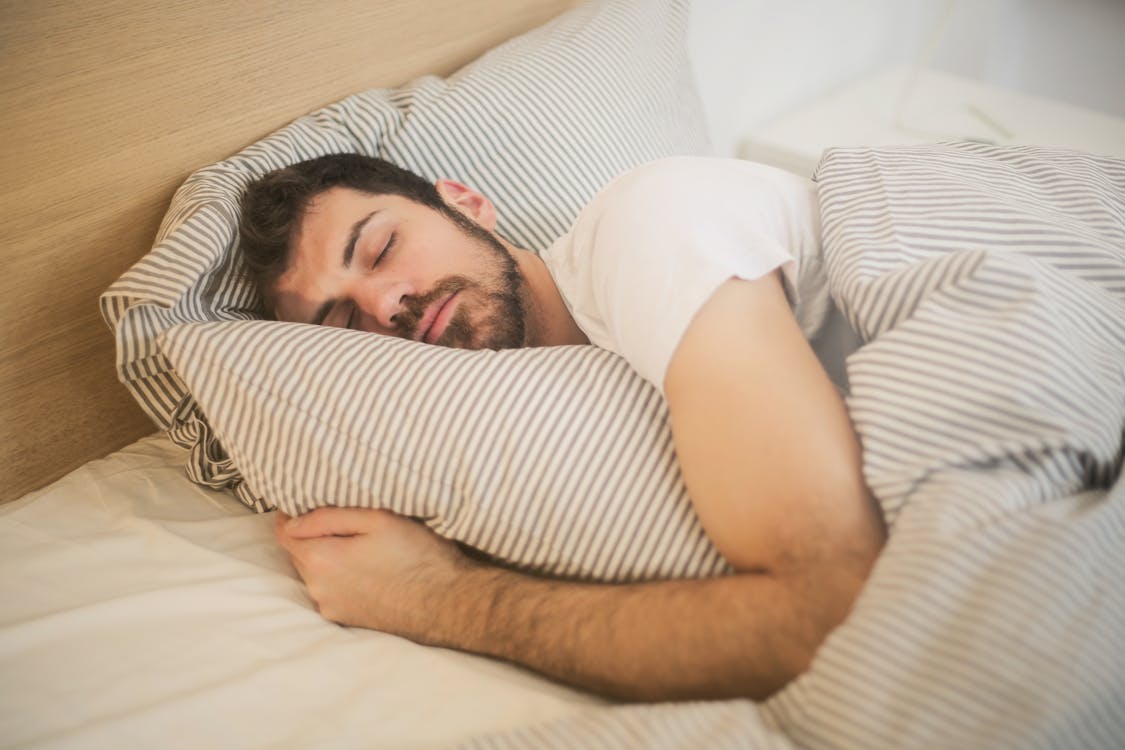
Taken at night (200mg, 30–60 minutes before bed), L-theanine improves subjective sleep quality and sleep efficiency without producing dependency or next-day grogginess. It works by reducing arousal, not inducing sedation.
⚡
Caffeine Synergy
Combining L-theanine with caffeine at a 2:1 ratio (200mg L-theanine: 100mg caffeine) produces sustained attention and reaction time improvements that outlast caffeine alone, while reducing the jitteriness and post-caffeine crash.
🎯
Attention and Switching
Multiple trials show improved performance on tasks requiring sustained attention and the ability to switch between mental tasks quickly. The effect is more consistent when theanine is combined with caffeine than when taken alone.
🩺
GABA and Serotonin
L-theanine increases brain GABA (the primary inhibitory neurotransmitter) and serotonin concentrations in animal studies. It also stimulates glycine release — another inhibitory neurotransmitter — contributing to the calming effect without sedation.
Is L-theanine for energy or sleep? The answer is both, and the context determines which. At 100–200mg in the morning, paired with caffeine, it produces cleaner, less anxious energy. At 200mg in the evening without caffeine, it lowers arousal and supports sleep onset. The molecule itself does the same thing either way — remove cortical noise — but what that removal means depends on your baseline state and time of day.
L-theanine has an excellent safety profile. At standard doses (100–400mg), clinical trials have produced few side effects and no serious adverse events. The US FDA recognizes it as GRAS (Generally Recognized As Safe). That said, some people do experience unwanted effects — most related to dose, timing, or individual sensitivity.
Headache
The most commonly reported side effect, typically at doses above 400mg or when taken without food. Thought to involve glutamate modulation affecting vasomotor tone. Reducing dose or taking with food usually resolves it.
Drowsiness or "Spaciness"
Some people find the calming effect tips into feeling too relaxed or mentally foggy, particularly at doses of 200–400mg taken during the day. This is dose-dependent — try 100mg first to assess your response before going higher.
Feeling Weird or Dissociated
A subset of users report a mild dissociative quality — feeling slightly detached or "off." This is likely glutamate NMDA receptor modulation creating an unfamiliar quiet. It tends to resolve within an hour and is less common at 100mg than at higher doses. Mixing with alcohol significantly amplifies this effect.
Low Blood Pressure
L-theanine lowers blood pressure modestly — a benefit for most people, but a caution for those already on antihypertensive medication. Combining it with blood pressure drugs can produce additive effects. Check with your physician if this applies to you.
Nausea (High Doses)
At doses above 600mg, some users report gastrointestinal discomfort. Standard therapeutic doses (100–400mg) do not typically produce nausea. Take with a small amount of food if your stomach is sensitive.
Why You Might Feel Weird
If you feel an unusual "too quiet" sensation after taking L-theanine, you're experiencing the glutamate modulation effect more intensely than average. The brain's excitatory/inhibitory balance shifted, and the new set point feels unfamiliar. It's not harmful, it typically fades within 60–90 minutes, and it's more likely at higher doses. Start at 100mg to calibrate your response. Alcohol is the most common co-factor that turns this from mild to pronounced — avoid mixing the two.
L-theanine and ashwagandha are both used to reduce anxiety and support sleep, but they work through completely different mechanisms and target different timescales. Choosing between them — or combining them — depends on whether you're dealing with acute stress or chronic HPA axis dysregulation.
L-theanine acts fast (30–60 minutes), requires no loading period, and produces effects within a single dose. It's ideal for situational stress, helping you sleep on a given night, or improving focus before a demanding task. It doesn't change your baseline stress response — it quiets cortical noise acutely.
Ashwagandha is a slow-acting adaptogen. It modulates the HPA axis — reducing CRH (corticotropin-releasing hormone) output, lowering baseline cortisol, and improving the body's recovery from stressors. Effects require consistent daily use for 2–4 weeks to become noticeable. It targets the upstream source of chronic stress rather than the acute symptom.
L-theanine for today's stressAshwagandha for next month's resilienceBoth are safe to combine
Can you take L-theanine and ashwagandha together? Yes — and the combination makes biological sense. Ashwagandha lowers baseline cortisol and HPA reactivity over weeks, while L-theanine manages acute stress and supports sleep onset daily. They don't interact negatively, don't share metabolic pathways, and target complementary stages of the stress response. No published trials have found adverse interactions between the two.
On the "dark side of ashwagandha" question: at standard doses (300–600mg of KSM-66 or Sensoril extract), ashwagandha is well-tolerated. The concerns around ashwagandha involve rare cases of liver injury reported at very high doses or with low-quality extracts containing heavy metals. These are outlier reports, not a representative pattern. The important qualifier is supplement quality — standardized, lab-tested extracts at therapeutic doses have a clean safety record in clinical trials including studies up to 12 weeks of daily use.
What to Avoid While Taking L-Theanine
L-theanine has minimal drug interactions compared to most supplements, but a few combinations warrant attention — and one (alcohol) consistently amplifies the "feeling weird" experience people report.
Avoid
Alcohol
The most consistently problematic combination. Both compounds affect GABA and glutamate systems. Together they produce a more pronounced sedative-dissociative effect than either alone. The "feeling weird" reports almost always involve alcohol as a co-factor.
Avoid
Other Sedatives or Benzodiazepines
L-theanine enhances GABA activity. Adding it to benzodiazepines (Xanax, Valium, Ativan), sleep medications (Ambien), or other sedatives could produce additive sedation. Consult your physician before combining.
Caution
Blood Pressure Medications
L-theanine modestly lowers blood pressure. If you take antihypertensive medication (beta-blockers, ACE inhibitors, calcium channel blockers), the combination may lower pressure further than intended. Monitor and discuss with your physician.
Caution
Stimulant Medications (ADHD)
L-theanine is sometimes used specifically to reduce stimulant side effects — some clinicians find this appropriate, others do not. The interaction depends heavily on the specific stimulant and dose. Don't combine without discussing it with your prescriber first.
Generally Fine
Caffeine
The caffeine-theanine combination is well-studied and consistently beneficial. Standard ratio is 2:1 (200mg theanine to 100mg caffeine). This is the most popular L-theanine use case and has no known downsides at these doses.
Generally Fine
Magnesium Glycinate
Both compounds support GABA-mediated relaxation through different mechanisms. No interaction concerns. Combining them at night (200mg theanine + 300mg magnesium glycinate) is a common and well-tolerated pairing for sleep support.
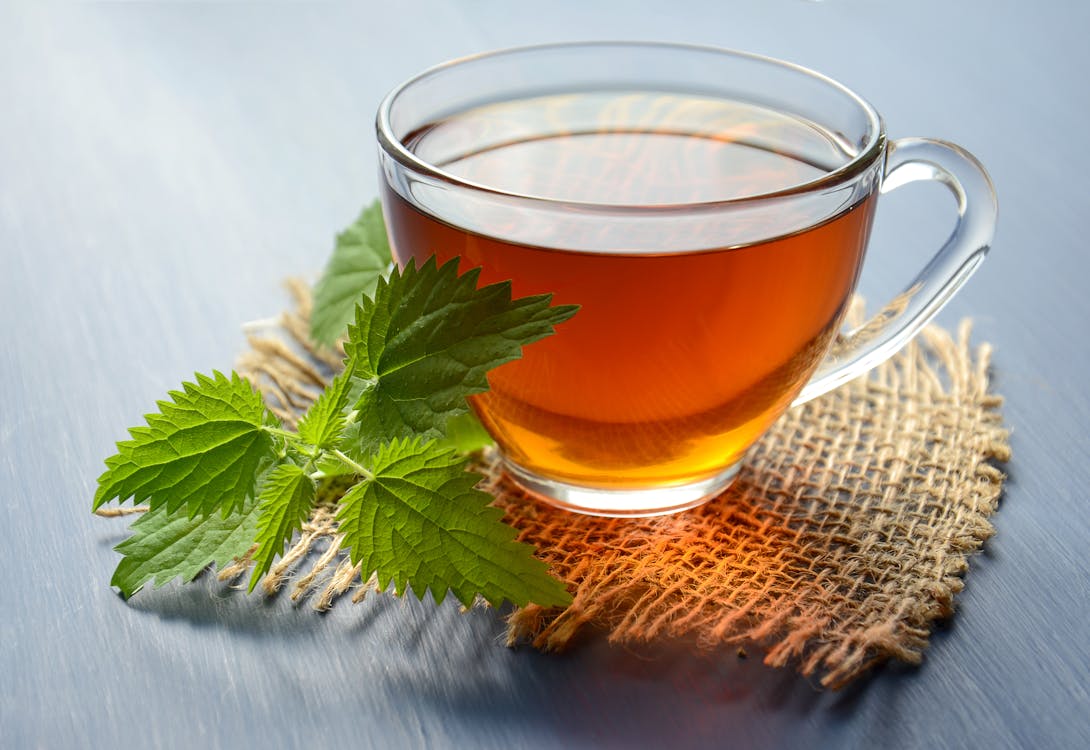
A standard cup of green tea contains 25–50mg of L-theanine. Supplement doses of 100–200mg deliver 2–4x what a single cup provides — enough to produce the alpha wave and anxiety-modulating effects measured in clinical trials.
Best Time to Take L-Theanine: Morning or Night?
Morning Use
Calm Focus with Caffeine
Take 100–200mg alongside your morning coffee or tea. L-theanine blunts caffeine's jitteriness and cardiovascular stimulation while preserving — and in some studies enhancing — its attention and reaction time benefits. The 2:1 ratio (200mg theanine to 100mg caffeine) is the most studied combination. This pairing is for days where you need sustained mental performance without anxiety: presentations, deep work, high-stakes conversations. Don't take more than 200mg if you're trying to stay alert — higher doses push toward drowsiness even when combined with caffeine.
100–200mg alongside coffee or tea
2:1 theanine-to-caffeine ratio is well-studied
Onset: 30–60 minutes
Duration: 3–5 hours
Best for high-pressure cognitive work
Evening Use
Sleep Onset Without Sedation
Take 200mg 30–60 minutes before bed, without caffeine. L-theanine reduces cortical arousal — the mental activation that makes falling asleep hard when you're tired but wired. Unlike melatonin, it doesn't shift circadian timing, so it doesn't cause grogginess if your bedtime varies. Unlike sleep medications, it doesn't suppress REM sleep or produce dependence. Studies in children with ADHD found improved sleep quality at 200mg doses; adult trials confirm the subjective sleep improvement. Pair with magnesium glycinate (300mg) for a more complete approach to pre-sleep relaxation.
200mg, taken 30–60 min before bed
No caffeine pairing in the evening
No grogginess or next-day impairment
No melatonin timing disruption
Pairs well with magnesium glycinate
L-Theanine vs Ashwagandha: Full Comparison
Both L-theanine and ashwagandha reduce anxiety and improve sleep — but the mechanism, onset, and ideal use case are fundamentally different. Here's how they compare across the dimensions that matter for choosing or combining them.
Feature
L-Theanine
Ashwagandha
Primary mechanism
Alpha wave promotion, NMDA modulation, GABA support
Daily use of L-theanine at 100–400mg is well-supported by the existing evidence. The FDA's GRAS (Generally Recognized As Safe) designation for L-theanine applies to regular dietary consumption, and the clinical trial literature includes studies of daily use for 4–8 weeks without adverse findings. Unlike many supplements, L-theanine does not build tolerance — users report consistent effects with continued daily use, without needing to increase dose over time.
L-theanine is not hard on the liver or kidneys at standard doses. It's an amino acid, metabolized as protein — not processed through the cytochrome P450 enzyme system that creates the liver-burden risk with many pharmaceutical drugs. Urinary excretion studies show normal clearance within hours. At very high doses (above 800mg daily for extended periods), there is theoretical concern about amino acid imbalance, but no clinical evidence of organ harm at these levels in healthy adults.
Who should avoid L-theanine:
Pregnant or breastfeeding women: Insufficient safety data for this population. Avoid as a precaution.
People on antihypertensive medications: Additive blood pressure lowering is possible. Discuss with your physician before combining.
People on sedative medications (benzodiazepines, sleep drugs): Potential for additive sedation. Consult your prescriber.
People with very low blood pressure: L-theanine's modest BP-lowering effect could be problematic if baseline pressure is already low.
Anyone who drinks alcohol regularly: The alcohol-theanine combination reliably amplifies the "feeling weird" effect. Abstain from alcohol on days you take theanine.
What happens if you take L-theanine every day? For most healthy adults: nothing unusual. Consistent alpha wave promotion, reduced stress reactivity, and (taken at night) improved sleep quality. No tolerance accumulation, no withdrawal if you stop, no reported organ toxicity in healthy users at standard doses.
RestEase Sleep Powder
★★★★☆ 4.6 / 5
Plant Based
100% natural botanicals and adaptogens backed by sleep scientists.
Melatonin Free
Zero melatonin. No dependency, no grogginess. Safe every night.
Lab Tested & Verified
3rd party tested for heavy metals and purity. Label guaranteed.
Premium Magnesium
Magnesium Glycinate for deep muscle relaxation before bed.
L-theanine promotes alpha brain wave activity (8–14 Hz), partially blocks excitatory NMDA glutamate receptors, and supports GABA, serotonin, and glycine production — producing a state of calm alertness without sedation or stimulation. Within 30–60 minutes of a 100–200mg dose, most people notice a quieting of mental background noise, reduced anxiety, and (if paired with caffeine) cleaner, less jittery focus. Taken at night without caffeine, the same calming effect makes falling asleep easier without producing next-day grogginess. L-theanine doesn't sedate — it removes the cortical overstimulation that prevents the brain from naturally downregulating.
Is L-theanine for energy or sleep?+
Both, depending on context. Taken in the morning with caffeine (200mg theanine + 100mg caffeine), L-theanine smooths and extends the focus benefit of caffeine while reducing its anxiety and jitteriness — producing cleaner, sustained energy. Taken in the evening at 200mg without caffeine, the same calming mechanism reduces the arousal that delays sleep onset. The molecule does the same thing either way: it quiets cortical noise. Whether that quiet feels like better focus or easier sleep depends entirely on your baseline state and what you pair it with.
What are the negative side effects of L-theanine?+
L-theanine is one of the better-tolerated supplements in the research literature, but side effects do occur. The most common are: headache (usually at doses above 400mg or taken on an empty stomach), drowsiness or mental "spaciness" (especially at 200–400mg during the day), and a mild "feeling weird" or dissociated quality — the NMDA glutamate modulation can feel unfamiliar, particularly for first-time users at higher doses. Some people experience modest blood pressure lowering, which is a benefit for most but a concern for those already on antihypertensive medication. Nausea occurs rarely and almost always at doses above 600mg. Alcohol reliably amplifies the sedative/dissociative effects. Starting at 100mg rather than 200mg gives you a chance to assess your individual response before committing to a higher dose.
Why do I feel weird after taking L-theanine?+
The "feeling weird" experience is the most commonly asked-about L-theanine side effect. It typically feels like mild mental detachment, an unusual quietness, or a slightly dissociated quality — as if the world has become slightly muffled. The cause is NMDA glutamate receptor modulation: L-theanine partially blocks the excitatory signal that normally underlies the sensation of mental activation. When that excitation drops suddenly, the new quieter set point can feel unfamiliar or strange, particularly if you're used to running at a high baseline arousal level. It's not harmful, it typically resolves within 60–90 minutes, and it's more common at doses of 200mg+ and almost universal when L-theanine is combined with alcohol. Solutions: reduce your dose to 100mg, take it with food rather than on an empty stomach, and avoid alcohol on the same day.
What should you not mix with L-theanine?+
The clearest avoidances are alcohol (both affect GABA/glutamate systems, together they produce significantly stronger sedative and dissociative effects), benzodiazepines and sleep medications (additive sedation risk), and antihypertensive drugs (additive blood pressure lowering). Caffeine is safe to combine — in fact it's the most studied L-theanine pairing, and the effects are complementary rather than compounding. Magnesium is also safe to combine at standard sleep supplement doses. The supplement category with the most caution is sedatives and central nervous system depressants — any substance that suppresses CNS activity should be considered potentially additive with L-theanine's calming effect, and a physician should weigh in before combining.
Which is better, L-theanine or ashwagandha?+
Neither is universally better — they target different problems. L-theanine is better for today: it works in 30–60 minutes, manages acute stress, improves sleep onset on a given night, and pairs well with caffeine for daytime focus. Ashwagandha is better for next month: it takes 2–4 weeks of daily use to produce measurable cortisol reduction and HPA axis adaptation, making it more appropriate for chronic stress management rather than situational anxiety. If you're trying to handle a stressful period right now, L-theanine is more immediately useful. If you've been running on high stress for months and your sleep has been disrupted for weeks, ashwagandha addresses the upstream hormonal problem that L-theanine can only manage symptomatically. Many people use both simultaneously — they work through different pathways and have no known adverse interactions.
Can you take L-theanine and ashwagandha together?+
Yes. L-theanine and ashwagandha have complementary mechanisms: L-theanine modulates acute brain excitation and GABA activity, while ashwagandha reduces baseline cortisol and HPA axis reactivity over weeks. They don't share metabolic pathways, don't compete for the same receptors, and no published research has identified adverse interactions between them. A common pattern is taking L-theanine in the morning (with caffeine) for daytime focus and calm, plus ashwagandha in the evening (300–600mg) for cortisol suppression and sleep quality over the longer term. This combination covers both the acute symptom (cortical overactivation today) and the structural cause (chronic HPA dysregulation building over weeks).
Is L-theanine hard on the liver or kidneys?+
No. L-theanine is an amino acid and is metabolized as dietary protein — not through the liver's cytochrome P450 enzyme system that creates the hepatotoxicity risk with many pharmaceutical drugs and some herbal supplements. Urinary excretion studies show normal clearance within several hours of a dose. Clinical trials including daily use for 4–8 weeks show no abnormalities in liver enzyme panels (AST, ALT, GGT) or kidney function markers (creatinine, BUN) at standard doses (100–400mg). The FDA GRAS designation reflects this clean safety record. People with pre-existing liver or kidney disease should discuss any supplement with their physician, but L-theanine doesn't carry the specific organ-burden concerns associated with some other supplements.
Is it safe to take L-theanine daily long term?+
Based on available evidence, yes. Daily use at 100–400mg is covered by the FDA GRAS status, and clinical trials including periods of daily use up to 8 weeks show no adverse findings. Unlike many compounds that affect GABA or glutamate systems, L-theanine does not appear to build tolerance — effects remain consistent with continued daily use, and there are no published reports of dependence or withdrawal upon stopping. Since it's an amino acid naturally present in green tea (a drink consumed daily by hundreds of millions of people for centuries), long-term consumption at beverage amounts has a real-world safety record. Supplement doses are higher than typical tea consumption, and formal long-term trial data beyond 8–12 weeks is limited, but nothing in the existing pharmacology or short-term clinical data raises specific long-term concerns for healthy adults.
Who should avoid L-theanine?+
Pregnant and breastfeeding women should avoid L-theanine supplements — not because of known harm, but because there's insufficient safety data for this population to recommend use. People taking antihypertensive medication (blood pressure drugs) should discuss with their physician first, as L-theanine modestly lowers blood pressure and could add to the medication's effect. People on benzodiazepines, sleep medications, or other central nervous system depressants face additive sedation risk. People with already-low blood pressure may find the BP-lowering effect unwelcome. And anyone who regularly drinks alcohol should note that the combination reliably amplifies the sedative-dissociative effects of L-theanine — if you're not willing to avoid alcohol on days you take it, the supplement may not be a good fit.
What does Taylor Swift take for anxiety?+
Taylor Swift has not publicly discussed specific supplements or medications she takes for anxiety. She has spoken openly in interviews about experiencing anxiety and the pressure of public life, but has not named L-theanine or any particular supplement as part of her routine. This question appears frequently alongside L-theanine searches, likely because of general public interest in celebrity wellness practices — but there's no documented connection between Taylor Swift and L-theanine specifically. What is documented: L-theanine at 100–200mg reduces salivary cortisol and heart rate responses to psychological stress in published clinical trials, regardless of who takes it.
Sources
Nobre AC, et al. (2008). L-theanine, a natural constituent in tea, and its effect on mental state. Asia Pacific Journal of Clinical Nutrition.PubMed
Hidese S, et al. (2019). Effects of L-theanine administration on stress-related symptoms and cognitive functions in healthy adults. Nutrients.PubMed
Owen GN, et al. (2008). The combined effects of L-theanine and caffeine on cognitive performance and mood. Nutritional Neuroscience.PubMed
Lyon MR, et al. (2011). The effects of L-theanine on objective sleep quality in boys with ADHD. Alternative Medicine Review.PubMed
Kimura K, et al. (2007). L-Theanine reduces psychological and physiological stress responses. Biological Psychology.PubMed
Ritsner MS, et al. (2011). L-theanine relieves positive, activation, and anxiety symptoms in patients with schizophrenia. Journal of Clinical Psychiatry.PubMed
Chandrasekhar K, et al. (2012). A prospective, randomized double-blind, placebo-controlled study of safety and efficacy of ashwagandha root. Indian Journal of Psychological Medicine.PubMed
Rao TP, et al. (2015). In Search of a Safe Natural Sleep Aid. Journal of the American College of Nutrition.PubMed
Türközü D, Şanlier N (2017). L-theanine, unique amino acid of tea, and its metabolism, health effects, and safety. Critical Reviews in Food Science and Nutrition.PubMed
These statements have not been evaluated by the Food and Drug Administration. RestEase products are not intended to diagnose, treat, cure, or prevent any disease. This article is for informational purposes only and does not constitute medical advice. If you take prescription medications or have a medical condition, consult a qualified healthcare professional before adding any supplement to your routine.