


Strongest Multivitamins and Women Health: Your Complete Beginner's Guide
The strongest multivitamins for women's health are formulated specifically for female nutritional needs, including appropriate iron levels, bioavailable folate, and nutrients that support hormonal balance and sleep quality. Look for products with methylfolate, magnesium glycinate, and full-spectrum B vitamins for best results.
Picture this: you wake up after what should have been a full night's rest, but your body still feels heavy. Your energy dips by mid-afternoon. Your hair seems thinner, your nails break easily, and sleep just doesn't feel restorative anymore. Sound familiar? These are signs your body might be missing something important.
Understanding the connection between the strongest multivitamins and women health starts with one simple truth: women's bodies have unique nutritional demands. Hormonal cycles, pregnancy, breastfeeding, and menopause all create shifting needs that a basic diet often can't meet. The right multivitamin acts like nutritional insurance, filling gaps that affect everything from energy levels to sleep quality.
This guide breaks down everything you need to know about choosing and using multivitamins as a woman. No confusing jargon. No overwhelming science. Just clear, practical information to help you feel your best.
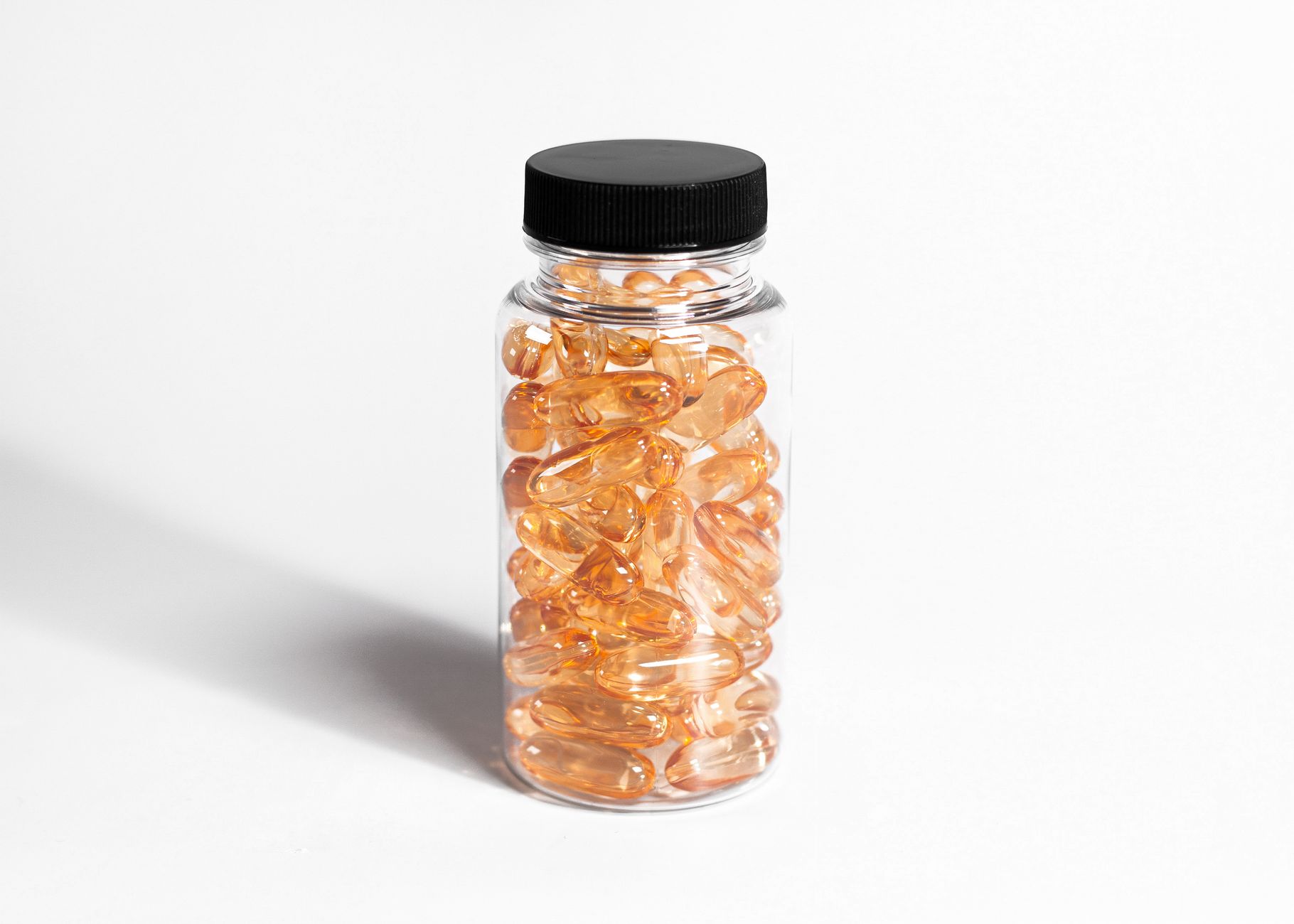
Why Multivitamins and Women Health Go Hand in Hand
The relationship between multivitamins and women health runs deeper than most people realize. Women lose iron every month through menstruation. Pregnancy depletes folate stores rapidly. Menopause changes how the body absorbs calcium and vitamin D ↗. These aren't small issues. They're fundamental shifts that affect how you feel every single day.
Think of your body like a car engine. It needs specific fluids and fuels to run smoothly. When one fluid runs low, the whole system struggles. Multivitamins and women health work the same way. A deficiency in just one nutrient can trigger a cascade of symptoms that seem unrelated.
Here's what many women don't realize: nutrient deficiencies often show up as sleep problems first. Low magnesium can cause restless nights. Poor B vitamins ↗ status disrupts the production of serotonin ↗, which your body needs to make sleep hormones. When multivitamins and women health connect properly, sleep quality often improves alongside energy and mood.
Common Signs You Might Need Better Nutritional Support
- Feeling tired even after sleeping seven to eight hours
- Brittle nails or thinning hair
- Frequent headaches or muscle cramps ↗
- Difficulty falling asleep or staying asleep
- Mood swings or irritability
- Brain fog or trouble concentrating
These symptoms don't always mean you need supplements. But they're worth paying attention to, especially if several appear together.
What Real Multivitamins and Women Health Reviews Reveal
Reading multivitamins and women health reviews can feel overwhelming. Thousands of products claim to be the best. Marketing language makes everything sound miraculous. How do you separate genuine feedback from hype?
The most helpful multivitamins and women health reviews focus on specific outcomes rather than vague promises. Look for reviews mentioning improved energy after two to three weeks. Notice patterns where multiple reviewers report better sleep quality. Pay attention when women describe feeling more balanced during their menstrual cycle.
What Patterns Appear in Trusted Reviews
- Absorption matters: Reviews often mention that cheaper formulas caused stomach upset, while higher-quality versions felt gentler. This usually comes down to the form of nutrients used.
- Timing affects results: Many reviewers note that taking multivitamins with food made a noticeable difference in how they felt.
- Consistency is key: The most positive reviews almost always mention taking supplements daily for at least four to six weeks before noticing changes.
Negative reviews sometimes reveal important information too. If multiple people report the same side effect, that's a red flag about formulation quality.
Brands like RestEase have built their reputation by listening to exactly this kind of feedback. Understanding what real users experience helps companies create better products that actually deliver results.
The Benefits of Organic Multivitamins and Women Health
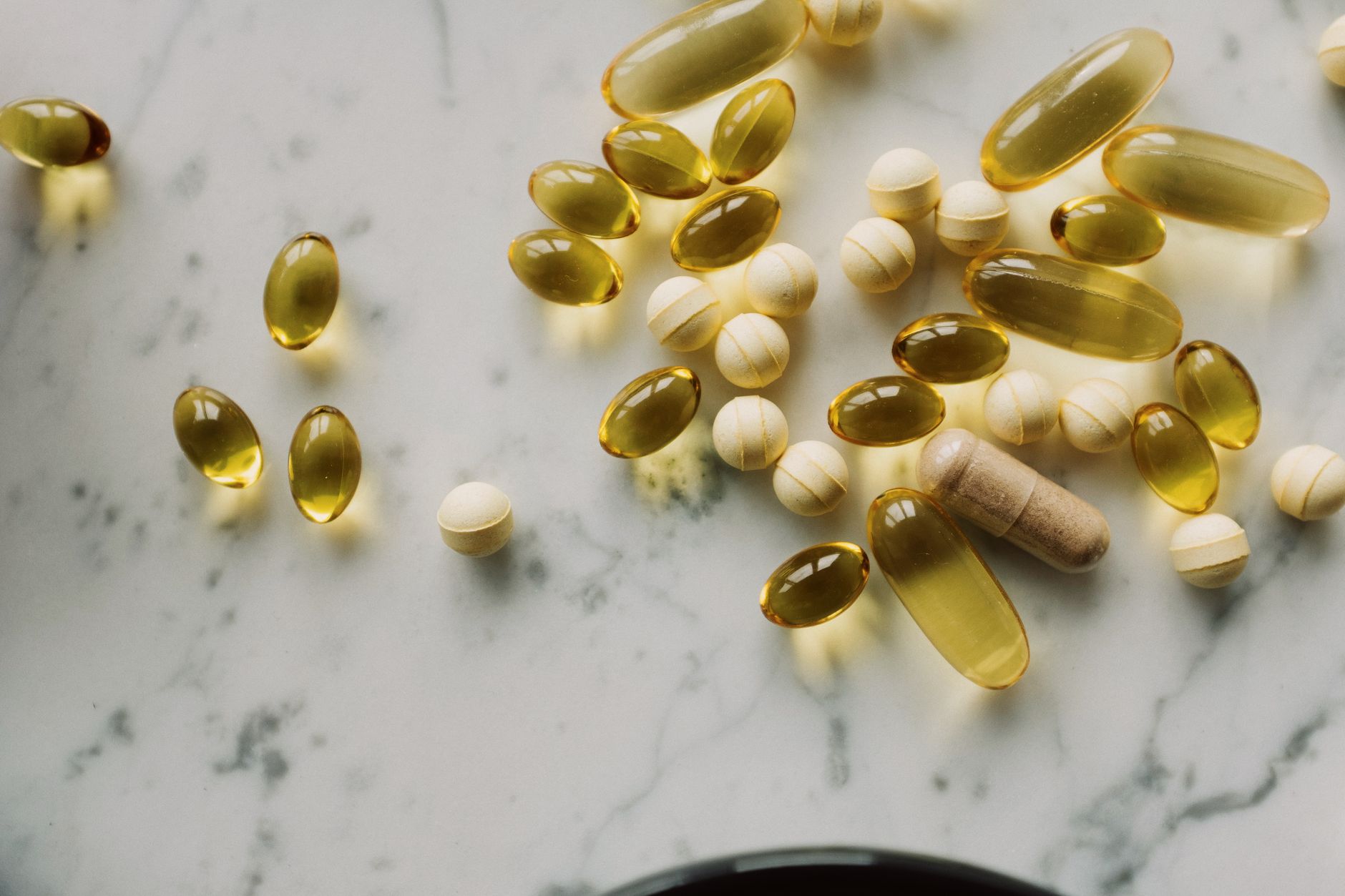
The term "organic" gets thrown around a lot in the supplement world. But when it comes to organic multivitamins and women health, there are genuine differences worth understanding.
Organic multivitamins typically source their nutrients from whole foods rather than synthetic compounds. Your body often recognizes and absorbs these food-based nutrients more easily. This concept is called bioavailability ↗, which simply means how much of a nutrient your body can actually use.
Think of it like this: eating an orange gives you vitamin C plus fiber, flavonoids, and other compounds that help your body use that vitamin C effectively. Synthetic vitamin C tablets skip all those supporting players. Organic multivitamins and women health products try to recreate that whole-food advantage.
Key Benefits of Organic Options
- Gentler on digestion: Whole-food-based nutrients tend to cause less stomach upset
- Better absorption rates: Studies suggest food-based vitamins may absorb more completely
- Additional phytonutrients: Plant compounds that offer their own health benefits
- Fewer synthetic fillers: Organic formulas often skip artificial colors and preservatives
That said, organic options typically cost more. They also might contain lower doses of certain nutrients compared to synthetic versions. The best choice depends on your personal health goals, budget, and how your body responds.
For women focused on sleep quality, pairing a solid multivitamin with targeted sleep support can make a real difference. RestEase offers a melatonin-free sleep powder that works alongside your nutritional foundation rather than replacing it.
How to Choose the Right Multivitamin for Your Needs
Walking into a vitamin aisle can feel like entering a maze. Hundreds of bottles make similar claims. Prices range from pocket change to premium. How do you actually pick something that works?
Start with your life stage. A 25-year-old woman has different needs than a 55-year-old woman. Premenstrual women need more iron. Pregnant women need higher folate ↗. Postmenopausal women often need more calcium and vitamin D but less iron.
What to Look for on Labels
- Iron content: Premenopausal women typically need 18mg daily; postmenopausal women need only 8mg
- Folate form: Look for methylfolate rather than folic acid, especially if you're planning pregnancy
- Vitamin D: Many women are deficient; 1000-2000 IU daily is common in quality formulas
- Magnesium: Often under-dosed in multivitamins; magnesium glycinate is a well-absorbed form
- B-complex: Full spectrum B vitamins support energy and stress management
Red Flags to Avoid
- Proprietary blends that hide individual ingredient amounts
- Mega-doses far exceeding daily recommended values
- Claims that sound too good to be true
- Missing third-party testing verification
- Ingredients you can't pronounce with no explanation
Quality multivitamins often include nutrients that support sleep, like magnesium and B6. If you're curious about how these connect to rest, the RestEase blog explores the science behind sleep-supporting nutrients in depth.
What to Expect When Starting a New Multivitamin
Starting any new supplement comes with a learning curve. Your body needs time to adjust and respond. Setting realistic expectations helps you stay consistent long enough to see results.
The first week or two might feel uneventful. Some women notice subtle changes in energy or mood within days. Others need a full month before anything feels different. Both responses are completely normal.
A Realistic Timeline
- Week 1-2: Your body adjusts. Minor digestive changes are common and usually temporary.
- Week 3-4: Energy levels may begin stabilizing. Sleep patterns might start improving.
- Month 2-3: More noticeable changes in hair, skin, and nail health typically appear.
- Month 3-6: Full benefits often become apparent with consistent daily use.
Take your multivitamin with food to improve absorption and reduce stomach upset. Stay consistent with timing. Same time each day builds the habit.
Tips for Best Results
- Stay hydrated. Water helps your body process and use nutrients effectively
- Don't expect overnight miracles. Nutritional changes happen gradually
- Track how you feel in a simple journal to notice subtle improvements
Here's the thing: supplements work best as part of a bigger picture. Good sleep habits, balanced meals, regular movement, and stress management all amplify what vitamins can do. Understanding why quality sleep matters helps you see how all these pieces fit together.
Safety Considerations and When to Talk to Your Doctor
Multivitamins are generally safe for most women, but "natural" doesn't always mean "harmless." Certain nutrients can interact with medications. Some can build up to unsafe levels if you take too much. Others might not be appropriate during pregnancy or while breastfeeding.
When Professional Guidance Matters
- You're pregnant, trying to conceive, or breastfeeding
- You take prescription medications, especially blood thinners or thyroid medication
- You have a chronic health condition like kidney disease or iron deficiency ↗
- You're considering high-dose individual supplements alongside a multivitamin
- You experience unusual symptoms after starting a new product
Most standard multivitamins stay within safe daily limits. Problems usually arise from stacking multiple supplements without guidance or choosing products with mega-doses. Always consult your healthcare provider before starting new supplements.
Nutrients That Need Extra Caution
- Iron: Too much can cause digestive issues and, in rare cases, toxicity
- Vitamin A: Excess amounts can harm a developing fetus
- Vitamin D: While deficiency is common, very high doses can cause problems
- Calcium: May interfere with certain medications and other mineral absorption
Frequently Asked Questions
What makes the top multivitamins and women health products different from regular options?
The top multivitamins and women health formulas are specifically designed around female nutritional needs. They include appropriate amounts of iron for menstruating women, folate in bioavailable forms, and nutrients that support hormonal balance. Generic multivitamins often use one-size-fits-all dosing that doesn't account for these differences.
How long does it take to see results from multivitamins?
Most women notice subtle energy improvements within three to four weeks of consistent use. More visible changes like healthier hair and nails typically appear after two to three months. Sleep quality may improve sooner, especially if your formula includes magnesium or B vitamins that support relaxation.
Can multivitamins help with sleep problems?
Certain nutrients in multivitamins directly support sleep. Magnesium helps relax muscles and calm the nervous system. B6 helps produce melatonin naturally. Vitamin D deficiency has been linked to poor sleep quality. While multivitamins aren't sleep supplements, filling these nutritional gaps can make falling and staying asleep easier.
Are expensive multivitamins always better?
Not necessarily. Price often reflects marketing budgets rather than quality. However, the top multivitamins and women health products typically cost more because they use better-absorbed nutrient forms, undergo third-party testing, and skip cheap fillers. Look for value rather than just the lowest or highest price point.
Should I take my multivitamin in the morning or at night?
Morning with breakfast works best for most women. B vitamins can be energizing, which might interfere with sleep if taken late. Taking vitamins with food improves absorption and reduces the chance of stomach upset. If your formula contains iron, avoid taking it with calcium-rich foods or dairy, which can block iron absorption.
The Bottom Line
Choosing the right approach to strongest multivitamins and women health doesn't need to be complicated. Start by understanding your specific life stage and nutritional needs. Read labels carefully and look for the top multivitamins and women health experts recommend. Give any new supplement at least four to six weeks of consistent use before judging its effectiveness.
Remember that vitamins work best as part of a complete wellness approach. Quality sleep, balanced nutrition, and stress management all play connected roles in how you feel every day. If sleep is part of your challenge, exploring targeted support from brands like RestEase can complement your nutritional foundation beautifully. Your body is constantly working to keep you healthy. Give it the raw materials it needs, and you'll likely be amazed at how much better you can feel.


