


Best What Vitamins Are in Prenatals 2026: Your Complete Myth-Busting FAQ Guide
Here's the biggest misconception most people believe about prenatal vitamins: that they're all basically the same, just with different labels. The truth? When exploring the best what vitamins are in prenatals 2026, you'll discover significant differences in formulations, dosages, and bioavailability that can directly impact both maternal health and fetal development. The core answer is simple: quality prenatals contain folate ↗ (or folic acid), iron, calcium, vitamin D, DHA, iodine, and choline as foundational nutrients, with 2026 formulations increasingly emphasizing methylated vitamins and third-party testing.
You've probably stood in the supplement aisle feeling completely overwhelmed. Dozens of bottles, all promising to be "complete" or "advanced." Your doctor said to take a prenatal, but which one actually delivers what your body needs?
This guide cuts through the noise. You'll find evidence-based answers to the questions people actually ask about prenatal vitamins, plus clear myth-busting to help you make confident choices.
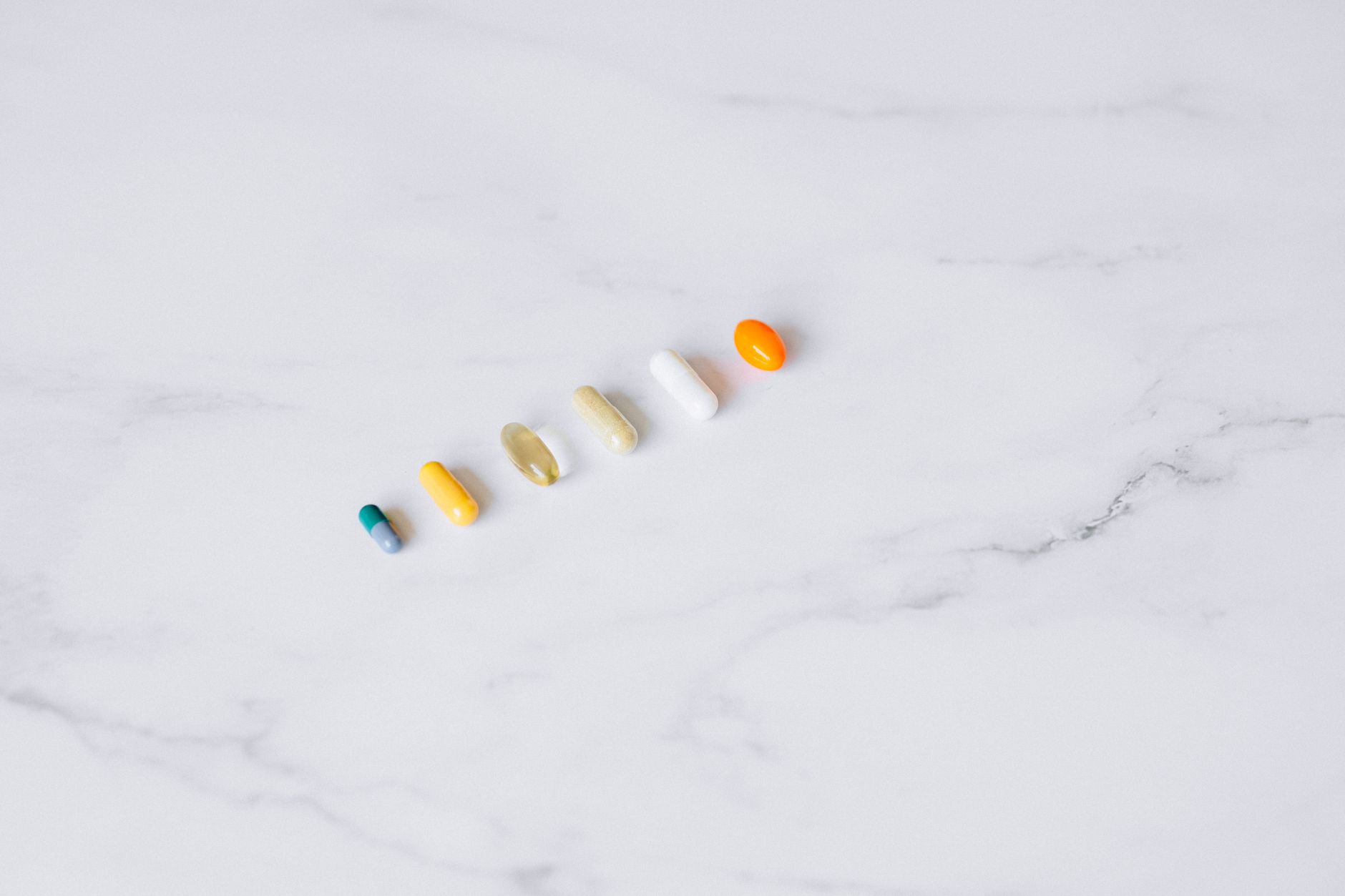
What Vitamins Are in Prenatals: The Essential Nutrient Breakdown
Understanding what vitamins are in prenatals starts with recognizing that these supplements are specifically designed to fill nutritional gaps during pregnancy and preconception. Unlike standard multivitamins, prenatals prioritize nutrients that support fetal development and maternal health during this demanding period.
The foundation of what vitamins are in prenatals includes folic acid ↗ or its active form, methylfolate, which helps prevent neural tube defects. This B vitamin remains the most researched prenatal nutrient, with health organizations recommending 400-800 mcg daily starting before conception.
Core Vitamins Found in Quality Prenatals
Beyond folate, you'll find these essential nutrients in well-formulated prenatals:
- Vitamin D supports bone development and immune function ↗, with 2025 formulations often including 1000-4000 IU
- Vitamin B12 aids nervous system development and energy production
- Vitamin B6 may help reduce nausea and supports protein metabolism
- Vitamin C enhances iron absorption and supports collagen formation
- Vitamin A (as beta-carotene) supports vision and cell growth safely
- Vitamin E provides antioxidant protection for developing cells
The top what vitamins are in prenatals for 2025 also include minerals like iron, calcium, zinc, and iodine ↗, which plays a critical role in thyroid function and brain development.
Non Habit Forming What Vitamins Are in Prenatals: Safety First
One common concern involves whether prenatal vitamins create dependency. The reassuring news? Non habit forming what vitamins are in prenatals is the standard, not the exception. Unlike certain medications or supplements containing stimulants, prenatal vitamins simply provide nutrients your body uses and eliminates naturally.
Your body doesn't develop tolerance to vitamins and minerals. When you stop taking prenatals, your body simply returns to relying on dietary sources. The nutrients in non habit forming what vitamins are in prenatals work with your body's natural processes rather than creating artificial chemical dependencies.
This matters particularly for those who value clean, gentle supplementation. RestEase understands this philosophy well, building their sleep products around the same principle of supporting natural body processes rather than forcing chemical changes.
Why Dependency Isn't a Concern
- Vitamins are water-soluble (B vitamins, C) or fat-soluble (A, D, E, K) and processed through normal metabolic pathways
- Minerals like iron and calcium are used for structural and functional purposes
- No prenatal ingredients activate reward pathways in the brain
- Your body maintains homeostasis with or without supplementation
Myth-Busting: What You've Been Told vs. What Research Shows
Taking more vitamins means better results for your baby.
Excessive vitamin intake can actually cause harm. Too much vitamin A ↗ (retinol form) has been linked to birth defects, while iron overdose can cause serious complications. Quality matters far more than quantity. The top what vitamins are in prenatals follow established daily values and use safe forms of each nutrient. More isn't better; optimal is better.
All prenatal vitamins are essentially identical.
Significant differences exist in bioavailability, ingredient forms, and third-party testing. For example, methylfolate ↗ absorbs better than synthetic folic acid for people with MTHFR gene variations (affecting roughly 40% of the population). Some prenatals use cheap oxide forms of minerals that absorb poorly, while others invest in chelated forms. The best what vitamins are in prenatals for 2025 prioritize absorbable forms and transparent testing.

How to Choose Quality Prenatals: What Actually Matters
With hundreds of options available, knowing what to look for saves time and ensures you're getting genuine value. The top what vitamins are in prenatals share certain quality markers that separate effective supplements from expensive urine.
Third-party testing stands as the gold standard for supplement verification. Organizations like USP, NSF, and ConsumerLab independently verify that products contain what labels claim and remain free from contaminants. This matters because the FDA doesn't test supplements before they hit shelves.
Key Selection Criteria
- Methylated B vitamins rather than synthetic versions for better absorption
- Chelated minerals (like iron bisglycinate instead of iron sulfate) that absorb easier and cause less stomach upset
- DHA from sustainable sources for brain and eye development support
- Adequate choline (often overlooked but recommended at 450mg during pregnancy)
- Clear allergen labeling for those with sensitivities
- Reasonable serving sizes that you'll actually take consistently
Think about timing too. Just as RestEase formulated their sleep supplement to work with your body's natural rhythms, the best prenatals consider when and how nutrients absorb most effectively. Taking iron-containing prenatals with vitamin C foods enhances absorption, while calcium and iron compete for absorption and work better when separated.
What to Expect: Realistic Outcomes and Timeline
Starting prenatals often comes with questions about when you'll notice effects. Here's an honest timeline based on how nutrients actually work in the body.
Most women won't feel dramatically different from taking prenatals. These supplements work quietly, filling nutritional gaps and supporting processes you can't directly observe. That said, some people notice improved energy levels ↗ within two to four weeks if they were previously deficient in iron or B vitamins.
- First week: Your body begins absorbing and storing nutrients
- Weeks 2-4: Blood levels of key nutrients may start improving (measurable via blood tests)
- One month: Consistent supplementation begins establishing nutrient reserves
- Three months: Most health organizations recommend starting prenatals three months before conception to build adequate folate stores
Side effects like nausea or constipation sometimes occur, particularly from iron content. Taking prenatals with food, at night, or switching to gentle iron forms can help. If problems persist, talking with your healthcare provider about alternatives makes sense.
Speaking of sleep and nighttime routines, quality rest ↗ becomes increasingly important during pregnancy. RestEase offers helpful resources for those looking to support natural sleep quality during this time.
Frequently Asked Questions
What is the best what vitamins are in prenatals for someone with dietary restrictions?
The best what vitamins are in prenatals for restricted diets should specify vegan, gluten-free, or allergen-free status clearly on labels. Look for plant-based DHA (from algae rather than fish), non-gelatin capsules, and third-party testing for purity. Many 2025 formulations specifically cater to these needs with transparent ingredient sourcing.
When should I start taking prenatal vitamins?
Ideally, begin taking prenatals at least three months before trying to conceive. Neural tube development ↗ occurs very early in pregnancy, often before many women know they're pregnant. Building folate stores ahead of time provides protection during this critical window.
Can prenatal vitamins replace a healthy diet?
No. Prenatals supplement a nutritious diet but cannot replace whole foods. Food provides fiber, phytonutrients, and countless compounds that pills simply cannot replicate. Think of prenatals as insurance, not substitution. The best what vitamins are in prenatals work alongside balanced eating, not instead of it.
Do I need different prenatals for each trimester?
Some brands offer trimester-specific formulations, but most high-quality prenatals work throughout pregnancy. The main consideration involves DHA (more important in third trimester for brain development) and potentially adjusting iron based on blood test results. Discuss with your provider whether switching makes sense for your situation.
Are expensive prenatals actually better?
Not necessarily. Price doesn't guarantee quality. Some affordable prenatals use excellent ingredient forms and conduct third-party testing, while some expensive brands rely more on marketing than substance. Focus on the specific criteria mentioned earlier rather than assuming higher cost equals better outcomes.
What vitamins are in prenatals that support energy during pregnancy?
B vitamins ↗ (B1, B2, B6, B12), iron, and magnesium ↗ all support energy metabolism. Iron deficiency particularly causes fatigue, making adequate iron intake essential. What vitamins are in prenatals varies by brand, so check labels for these specific energy-supporting nutrients in absorbable forms.

The Bottom Line
Finding the best what vitamins are in prenatals 2025 doesn't require a nutrition degree. Focus on methylated B vitamins, chelated minerals, adequate DHA and choline, plus third-party testing verification. These markers separate effective supplements from marketing hype.
Remember that the best what vitamins are in prenatals work alongside good nutrition, not instead of it. Starting early, taking them consistently, and choosing quality over marketing claims gives you and your developing baby the nutritional foundation you need.
Your prenatal journey deserves evidence-based support. And when pregnancy-related sleep challenges arise, RestEase offers gentle, natural options worth exploring. Trust yourself to make good decisions with good information. You've got this.


