


The most effective sleep supplement depends on your specific issue. For a racing mind: magnesium glycinate and L-theanine. For circadian disruption: low dose melatonin. For comprehensive daily support: a multi ingredient melatonin free formula. Use the profile selector below to find your match.
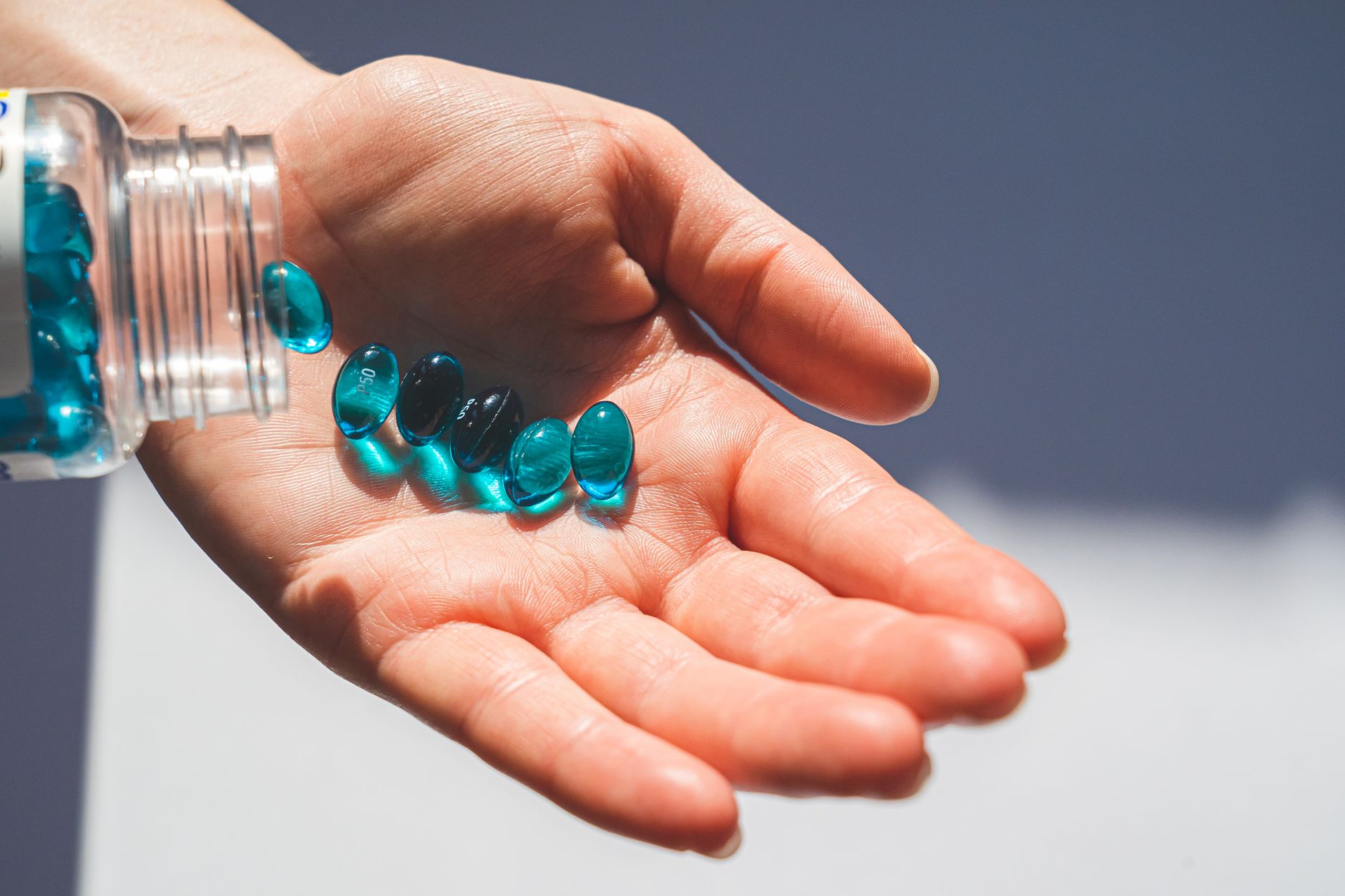
You've probably tried everything. Warm milk, counting sheep, putting your phone away before bed. Yet here you are, still staring at the ceiling at 2 AM. The search for the most effective sleep supplement feels overwhelming when shelves are packed with dozens of options, each claiming to be the answer.
Here's the truth: no single supplement works for everyone. The most effective sleep supplement for you depends on why you're struggling. Are you lying awake with a racing mind? Waking at 3 AM unable to fall back asleep? Simply unable to wind down after stress?
This guide compares nine major sleep supplement ingredients side by side. You'll walk away knowing exactly which type matches your sleep profile — and which ones to skip.
What Makes a Sleep Supplement Actually Work
The best sleep supplement targets the root cause of your issues rather than just knocking you out. Sleep problems fall into three categories: difficulty falling asleep (onset), trouble staying asleep (maintenance), and waking up unrefreshed. The best supplement for each differs significantly.
For sleep onset, ingredients that calm the nervous system work best — L-theanine, magnesium glycinate, and GABA. For sleep maintenance, ingredients that support body temperature stability through the night — like glycine — often help more.
Third party testing verification. Transparent ingredient sourcing. Clinically studied dosages at amounts that match the research. GMP certified manufacturing. Clear labeling without proprietary blends. These five signals separate trustworthy products from marketing driven ones.
Comparing Your Natural Options
Natural sleep supplements that work fall into three functional categories. Swipe or tap the tabs to explore each:
Calm nervous system activity and ease the transition into sleep.
Activates the parasympathetic nervous system, binds GABA receptors, and relaxes muscles. Glycine adds its own calming effect. Best magnesium form for sleep.
Promotes alpha brain waves — calm alertness that transitions naturally into sleep. Pairs synergistically with magnesium. Very low side effect risk.
Your brain's primary inhibitory neurotransmitter. May reduce time to fall asleep, though bioavailability varies. Often paired with other calming ingredients.
Research found 3g of glycine before bed improved subjective sleep quality and reduced next day fatigue, through body temperature regulation: a different mechanism from any other supplement in this category.
Work on circadian rhythm and sleep-wake timing — not sedation.
Acts as a circadian signal, not a sedative. Your body produces 0.1–0.3 mg nightly. Most supplements are overdosed — lower doses work better without next-day grogginess.
Contains natural melatonin precursors (tryptophan, serotonin). Studies show it can extend total sleep time. Supports the full pathway rather than bypassing it.
Reduces core body temperature via vasodilation — the same temperature drop your body uses to initiate sleep. Works on timing as well as relaxation.
Regulate the stress-response system over time — not a quick fix, but often the missing piece.
Regulates cortisol and the HPA axis. Strong research support for stress-related sleep issues. Takes 2–4 weeks of consistent use to show full effects.
One of the most researched botanicals for sleep. Generally positive in meta-analyses. Extract standardization is critical — "powder" and "standardized extract" are very different products.
Emerging research shows results comparable to low dose sleep medications in small trials. Promotes GABA activity through a separate mechanism from direct GABA supplementation.
Side by Side Comparison Table
Nine major sleep supplement ingredients ranked by use case, onset speed, research strength, and side effect profile:
Scroll table to see all columns →
| Ingredient | Best For | Onset | Research | Side Effect Risk |
|---|---|---|---|---|
| Magnesium Glycinate | Racing mind, muscle tension | 30–60 min | Strong | Very Low |
| L-Theanine | Anxious thoughts, mental calm | 20–40 min | Strong | Very Low |
| Melatonin | Jet lag, shift work | 20–30 min | Strong | Moderate |
| Glycine | Staying asleep, body temp | 30–60 min | Moderate | Very Low |
| Ashwagandha | Stress related sleep issues | 2–4 weeks | Strong | Low |
| Valerian Root | General sleep support | 30–60 min | Mixed | Low |
| GABA | Relaxation, anxiety | 20–40 min | Limited | Very Low |
| Passionflower | Mild anxiety, gentle support | 30–60 min | Emerging | Very Low |
| 5-HTP | Serotonin support | 30–60 min | Moderate | Moderate |
How Magnesium for Sleep Stacks Up

Among all sleep supplement ingredients, magnesium for sleep deserves special attention. It's one of the most researched, most commonly deficient (an estimated 50% of Americans don't get enough), and most versatile options available.
Here's why it works: magnesium activates the parasympathetic nervous system, the "rest and digest" mode that prepares your body for sleep. It also regulates melatonin production and binds to GABA receptors, quietly coordinating multiple sleep mechanisms through one mineral.
"Magnesium glycinate offers one of the best risk to benefit ratios of any sleep supplement and works even better as part of a thoughtful combination formula."
RestEase Editorial Team- Magnesium Glycinate — gold standard for sleep. Glycine adds calming effects; absorbs well without digestive upset.
- Magnesium Threonate — crosses the blood-brain barrier effectively. Good for cognition and sleep, but pricier.
- Magnesium Citrate — absorbs decently but may cause loose stools at higher doses. Better for digestive regularity than sleep.
- Magnesium Oxide — cheap and roughly 4% absorbed. Skip this entirely for sleep purposes.
The optimal dose for sleep falls between 200–400 mg of elemental magnesium taken 30–60 minutes before bed. Start lower and increase gradually. For powdered supplements like RestEase, mixing with warm water also creates a calming pre-sleep ritual.
Choosing by Your Sleep Profile
Tap the scenario that best describes your sleep struggle to see the right approach:
Racing mind — best approach
- L-Theanine (200–400 mg) — promotes alpha brain waves; calm alertness that eases into sleep.
- Magnesium Glycinate (300–400 mg) — supports GABA receptor activity and nervous system relaxation.
- Passionflower (250–500 mg) — adds a second calming pathway via GABA activity.
- Skip high-dose melatonin — it's a circadian signal, not a sedative, and won't quiet racing thoughts.
Middle of night waking — best approach
- Glycine (3g) — supports body temperature regulation through the night; shown to reduce waking events.
- Magnesium Glycinate (300–400 mg) — may address the cortisol spikes that cause 3 AM waking.
- Check room temperature: above 68°F (20°C) is a common overlooked cause of midnight waking.
- A small protein and fat snack before bed can prevent blood sugar drops that wake some people.
Stress-driven sleep — best approach
- Ashwagandha KSM-66 (300–600 mg) — regulates the HPA axis and cortisol. Allow 2–4 weeks for full effect.
- L-Theanine (200–400 mg) — provides immediate calming while ashwagandha builds over weeks.
- Magnesium Glycinate (300–400 mg) — addresses physical tension from accumulated stress.
- A multi ingredient formula combining these often outperforms any single ingredient alone.
Shift work / travel — best approach
- Low dose Melatonin (0.5–1 mg) — acts as a circadian signal to reset your clock. Most supplements are overdosed; lower works better.
- Take 30 minutes before your target sleep time — not when you feel tired.
- Seek bright light shortly after your target wake time; avoid it after your target bedtime.
- L-Theanine can handle relaxation while melatonin manages the timing signal.
Safety, Timing & What to Expect
Low dose Melatonin
L-Theanine
Glycine
Valerian Root
Passionflower
Adaptogens
Sleep supplements support healthy sleep patterns — they're not sedatives. Consistency beats intensity: a moderate nightly dose usually outperforms sporadic high doses. What to realistically expect:
- Week 1 — subtle improvements, possibly better relaxation at bedtime
- Weeks 2–4 — more noticeable changes in sleep quality or time to fall asleep
- Ongoing — best results pair consistent supplementation with good sleep habits
Most natural sleep supplements have excellent safety profiles. Start low and increase gradually. Consult your healthcare provider if you take prescription medications, particularly blood pressure medications, sedatives, or psychiatric medications. Magnesium may affect absorption of certain antibiotics; L-theanine may interact with stimulants. When in doubt, ask your pharmacist before starting any supplement.

- 1 Calming Flavor from: Lavender, Cocoa, Berry
- Subscribe to Claim Extra 20% off
- 30-Day Money- Back Guarantee
Frequently Asked Questions
Sources
- DiNicolantonio JJ, et al. (2018). Subclinical magnesium deficiency. Open Heart. PMC
- Abbasi B, et al. (2012). Magnesium supplementation and primary insomnia. Journal of Research in Medical Sciences. PubMed
- Bannai M, Kawai N. (2012). Glycine improves the quality of sleep. Journal of Pharmacological Sciences. PubMed
- Chandrasekhar K, et al. (2012). Ashwagandha root in reducing stress and anxiety. Indian Journal of Psychological Medicine. PubMed
- Bent S, et al. (2006). Valerian for sleep: systematic review and meta-analysis. The American Journal of Medicine. PubMed


