


Most people think sleep problems come down to stress or genetics. In reality, the habits you practice in the hours before bed — and the environment you sleep in — may matter more than either.
Sleep hygiene refers to the collection of behaviors and environmental conditions that support consistent, high-quality rest. Unlike sleep medications, these practices address root causes rather than symptoms. The research is clear: improving your sleep hygiene is one of the highest-leverage changes you can make for your health, focus, and mood.
This guide covers the sleep hygiene tips with the strongest evidence behind them, explains why each one works at a biological level, and helps you identify which changes will make the biggest difference for your specific sleep pattern.
What Is Sleep Hygiene and Why It Matters
Sleep hygiene isn't about cleanliness — it's a medical term for the daily habits and environment that influence your sleep quality and duration. The concept was developed by sleep researchers in the 1970s and has since become foundational in behavioral sleep medicine.
Your body runs on a roughly 24-hour internal clock called the circadian rhythm. This clock governs when you feel alert, when you feel tired, and when your body releases hormones like melatonin and cortisol. Sleep hygiene practices work by supporting — rather than disrupting — this natural rhythm.
Cognitive Behavioral Therapy for Insomnia (CBT-I), widely considered the most effective long-term treatment for sleep disorders, is built almost entirely on sleep hygiene principles. A 2015 meta-analysis in the Annals of Internal Medicine found CBT-I outperformed sleep medications for both sleep onset and sleep maintenance over time.
Unlike sleep medications, good sleep hygiene builds lasting change. The habits compound over weeks and months, progressively resetting your sleep drive and circadian timing. Most people who consistently apply these principles report meaningful improvement within two to four weeks.
Optimize Your Sleep Environment
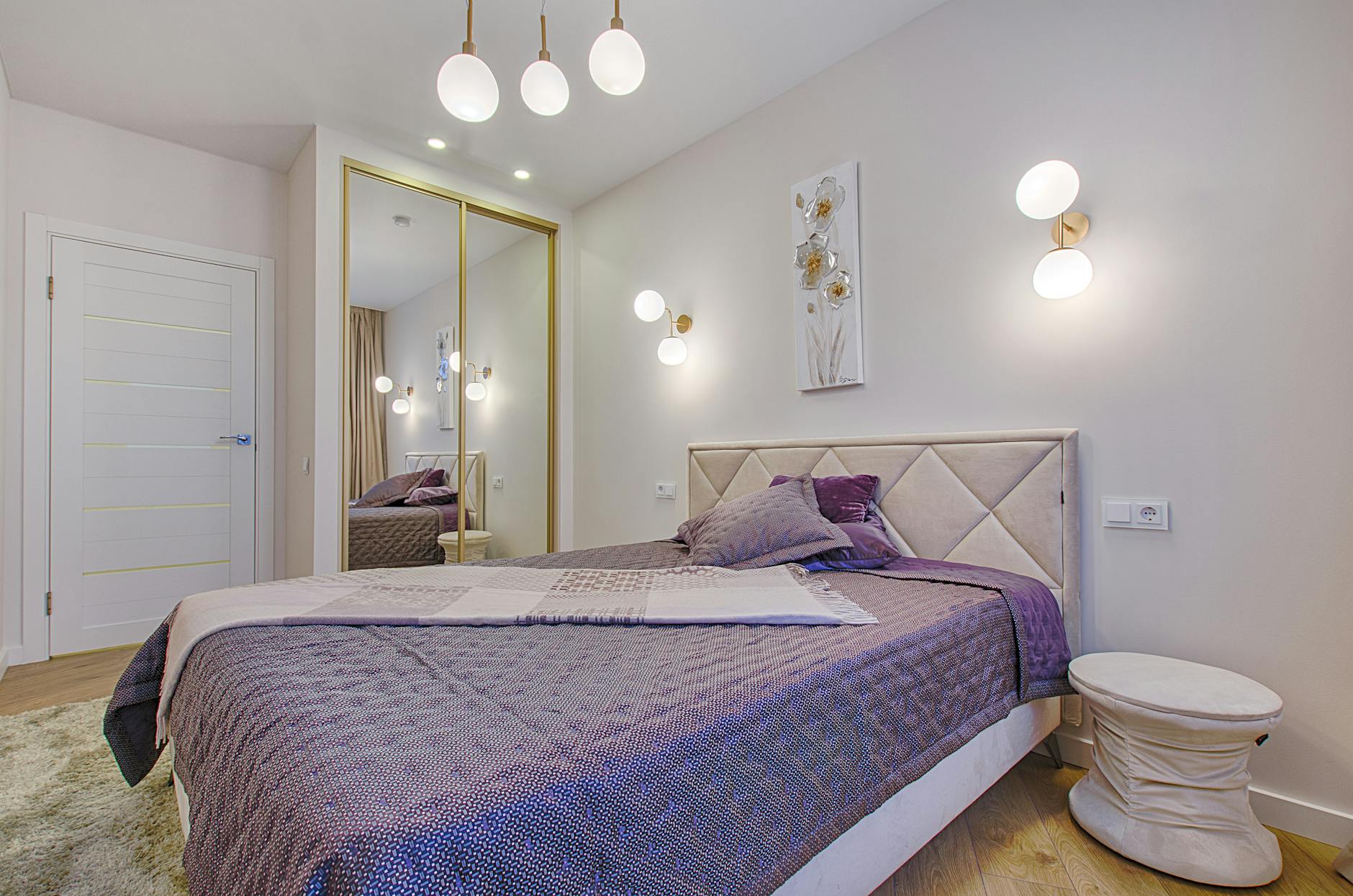
Your bedroom environment sends powerful signals to your nervous system before you ever close your eyes. Temperature, light, and sound each influence how quickly you fall asleep and how deeply you stay asleep. Adjusting all three gives your body the conditions it needs to transition smoothly into rest.
Your core body temperature must drop 1–2°F to initiate sleep. A cool room accelerates this process.
Research from the National Sleep Foundation consistently points to this range as optimal. Bodies overheat easily during sleep, which fragments rest cycles.
Even a modest airflow helps remove heat from the body surface. A fan also doubles as a source of white noise, adding an additional sleep benefit.
Cotton and bamboo fabrics wick moisture and allow airflow. Synthetic or flannel materials trap heat and can raise skin temperature enough to disrupt sleep.
A counterintuitive finding: warming your feet slightly (socks or a warm water bottle) helps dilate blood vessels, drawing heat away from the body core and speeding sleep onset.
Light is the primary regulator of your circadian clock. Even small amounts of the wrong light at the wrong time delay melatonin production.
Streetlights, car headlights, and early sunrise all suppress melatonin even through closed eyelids. Complete darkness during sleep improves sleep depth and duration.
Switch overhead lights to warm, low-intensity lamps in the hours before bed. Amber-tinted bulbs (under 3000K color temperature) have minimal impact on melatonin production.
Bright light exposure within 30–60 minutes of waking anchors your circadian clock. This makes it easier to feel alert in the morning and sleepy at the correct time at night.
If you need to navigate at night, use red-spectrum lights. Red wavelengths have a significantly weaker effect on circadian disruption than white or blue wavelengths.
Your auditory system stays partially alert during sleep, scanning for threats. Masking unpredictable sounds helps the brain relax its vigilance.
Consistent background noise masks sudden sounds (traffic, neighbors, alerts) that cause micro-arousals. Brown noise — lower in pitch than white — is preferred by many people for its softer texture.
Notification sounds and vibrations during the night cause documented sleep fragmentation even if you don't fully wake. Keep your phone charging outside the bedroom if possible.
High-quality foam earplugs reduce ambient sound by 25–33 dB and are particularly effective for people who live in noisy environments or sleep next to a restless partner.
Some people find spoken-word audio helpful for quieting a busy mind. If you use this approach, set a sleep timer so the audio stops automatically — sustained stimulation disrupts later sleep cycles.
The Power of a Consistent Sleep Schedule
If you only make one change to your sleep habits, this should be it. Going to bed and waking up at the same time every day — including weekends — is the single most effective sleep hygiene practice according to sleep medicine researchers.
Your circadian rhythm operates on regularity. When you keep a consistent schedule, your body begins releasing melatonin at the right time, your core temperature drops on cue, and you enter deep sleep stages more efficiently. Irregular schedules create the equivalent of mild, self-inflicted jet lag — a state researchers call social jet lag.
A 2017 study published in Scientific Reports followed 61 college students and found those with irregular sleep schedules had significantly lower GPAs and more disrupted circadian rhythms than their peers — independent of total sleep time. Consistency matters beyond just the hours you get.
- Set a fixed wake time and protect it — Wake at the same time every day, even if you slept poorly. This builds sleep pressure for the next night.
- Limit "sleep banking" — Sleeping in more than 60–90 minutes on weekends shifts your circadian phase and makes Monday mornings harder.
- Don't go to bed until sleepy — Lying in bed awake trains your brain to associate bed with wakefulness. Wait until you feel genuinely drowsy.
- Give it time — A new sleep schedule takes 1–2 weeks to feel natural as your circadian rhythm gradually adjusts.
Build a Wind-Down Routine That Actually Works
Sleep doesn't switch on like a light. The transition from wakefulness to sleep is a gradual process that requires your nervous system to shift from a sympathetic (alert) state to a parasympathetic (calm) state. A wind-down routine is the bridge that makes that shift possible.
The most effective pre-sleep routines share two qualities: they are calming rather than stimulating, and they happen at the same time each night. Consistency trains your brain to associate these activities with the approach of sleep — creating a conditioned response that makes falling asleep faster over time.
Reading fiction in particular quiets the default-mode network, the brain region associated with rumination. A paper book avoids the blue light issue of e-readers.
Even 10 minutes of slow, static stretches activates the parasympathetic nervous system. Focus on hips, shoulders, and the neck — common tension holders.
Warm water, herbal tea, or a magnesium glycinate drink signals wind-down. The warmth also promotes the core temperature drop that triggers sleep.
Writing tomorrow's to-do list before bed — not your worries, just your tasks — has been shown in research to reduce time to fall asleep by offloading "open loops" from working memory.
Inhale for 4 counts, hold for 4, exhale for 4, hold for 4. This regulated breathing pattern directly activates the vagus nerve and lowers heart rate within minutes.
Bathing 60–90 minutes before bed in water around 104°F temporarily raises skin temperature. When you step out, rapid cooling accelerates the core body temperature drop that initiates sleep.
Keep your routine to 20–45 minutes and start it at the same time each night. Activities that bring stress — checking email, news, or social media — belong outside this window.
Food, Caffeine, and Alcohol: What the Research Shows
What you consume throughout the day affects your sleep more than most people realize. Caffeine, alcohol, and heavy late meals each interfere with sleep quality through distinct biological mechanisms.
Scroll table to see all columns →
| Substance | How It Affects Sleep | Evidence-Based Guideline |
|---|---|---|
| Caffeine | Blocks adenosine receptors that build sleep pressure; half-life of 5–7 hours means a 3 PM coffee still has ~50% caffeine active at 9 PM | No caffeine after 1–2 PM; earlier for sensitive individuals |
| Alcohol | Sedates initially but fragments sleep in the second half of the night; suppresses REM sleep significantly | Stop drinking at least 3 hours before bed; less is better |
| Large meals | Digestion competes with sleep; acid reflux during lying down disrupts rest | Finish heavy meals 2–3 hours before bed |
| Light snacks | A small, low-sugar snack can prevent blood sugar drops that cause early waking | If hungry, try a small amount of cheese, nuts, or a banana |
| Water | Dehydration impairs sleep quality; overhydration causes nighttime waking | Stay well hydrated through the day; taper intake 1–2 hours before bed |
"Caffeine's half-life means your afternoon cup is still affecting your brain chemistry at midnight — even if you feel like it wore off hours ago."
RestEase Editorial TeamScreen Time and Blue Light: The Evidence
The debate around screens and sleep is sometimes oversimplified. Blue light from screens does suppress melatonin production — but the stimulating content on those screens may be an even more significant factor than the light itself.
Research from Brigham and Women's Hospital found that using light-emitting devices before bed delayed melatonin onset by about 1.5 hours and reduced melatonin levels by 55% compared to reading printed books. This led to longer time to fall asleep, reduced REM sleep, and next-morning alertness deficits.
- The 60–90 minute window matters most — Melatonin release typically begins 60–90 minutes before your natural sleep time. Screen use during this window causes the most circadian disruption.
- Night mode helps, but doesn't eliminate the problem — Blue-light filters reduce light intensity but don't address the alerting effect of engaging content.
- The content effect is real — Emotionally activating content (news, social media, competitive games) raises cortisol and heart rate regardless of the light it emits.
- TV is lower risk than phones — A screen watched from across the room delivers far less light intensity to the eye than a phone held close to the face, though content remains a factor.

Tips for difficulty falling asleep
- Apply stimulus control therapy — Use your bed only for sleep and sex. If you've been awake for 20 minutes, get up, go somewhere dim and quiet, and return only when sleepy.
- Move your bedtime later temporarily — This sounds counterintuitive, but restricting your sleep window for 1–2 weeks builds sleep pressure, making it easier to fall asleep quickly when you do go to bed.
- Cut caffeine aggressively — Move your last caffeine to 11 AM for one week and observe the effect on sleep onset.
- Try box breathing or progressive muscle relaxation — These techniques directly reduce physiological arousal that keeps the brain in "awake" mode.
- Consider magnesium glycinate — Magnesium supports GABA activity and nervous system downregulation, which can ease the transition to sleep.
Tips for waking during the night
- Eliminate alcohol completely for 2 weeks — Alcohol is one of the most common causes of sleep fragmentation in the second half of the night, even at moderate amounts.
- Check your blood sugar — Waking between 2–4 AM is often linked to a blood sugar drop. A small protein or fat snack before bed can prevent this.
- Keep the bedroom cooler — Overheating during deep sleep stages is a frequent cause of arousal. Lower your thermostat and reduce bedding.
- Don't check the clock — Time monitoring during the night increases arousal and anxiety. Turn your clock face away or remove it from the room.
- Magnesium for sleep depth — Magnesium glycinate taken before bed supports deeper sleep stages and has been shown to reduce nighttime waking in adults with low magnesium levels.
Tips for morning fatigue despite enough sleep
- Anchor your wake time with bright light — Get outside or use a 10,000 lux light box within 30 minutes of waking. This resets your circadian clock and signals cortisol release, improving morning alertness.
- Check your sleep timing, not just duration — Sleeping from 1–9 AM provides different quality rest than 10 PM–6 AM. Earlier sleep captures more slow-wave (deep) sleep in the first half of the night.
- Delay caffeine by 90 minutes — Drinking coffee immediately upon waking competes with natural cortisol peaks and can cause an energy crash later. Waiting 90 minutes may improve sustained afternoon energy.
- Consider screening for sleep apnea — Unrefreshing sleep despite adequate hours is a hallmark symptom of obstructive sleep apnea, which affects an estimated 26% of adults aged 30–70.
How Supplements Fit Into a Sleep Hygiene Routine
Sleep hygiene is the foundation. Supplements, when chosen thoughtfully, can support that foundation — but they work best when the behavioral and environmental basics are already in place.
The most evidence-supported non-hormonal options are compounds that work with your nervous system's natural relaxation pathways rather than forcing sedation. When reviewing any sleep supplement label, look for specific ingredient forms and doses rather than vague "sleep blend" marketing language.
- Magnesium Glycinate (300–400 mg) — The most absorbable form of magnesium, supporting nervous system regulation and GABA activity. The glycine component itself also promotes relaxation.
- L-Theanine (200–400 mg) — An amino acid from green tea that promotes alpha brain waves associated with calm alertness. Pairs well with the wind-down period.
- Apigenin (50 mg) — A compound in chamomile that binds to benzodiazepine receptors gently, supporting relaxation without morning grogginess.
- Glycine (3g) — Shown in Japanese research to lower core body temperature and improve sleep quality scores when taken before bed.
Melatonin is best reserved for specific timing disruptions like jet lag or shift work rather than general sleep quality. Your brain produces roughly 0.1–0.3 mg naturally — most OTC supplements contain 3–10 mg, far exceeding physiological levels.

- Melatonin-free: magnesium glycinate, L-theanine, and apigenin at research-backed doses
- Fully transparent label — every ingredient and amount clearly listed
- Mixes into warm water as part of a consistent wind-down ritual
- GMP-certified facility, third-party tested for purity
Frequently Asked Questions
How long does it take to see results from better sleep hygiene?
What's the single most important sleep hygiene tip?
Can good sleep hygiene replace sleep medication?
Does napping hurt nighttime sleep?
How do sleep supplements fit into a sleep hygiene routine?
Sources
- Buysse DJ. (2014). Sleep health: Can we define it? Does it matter? Sleep. PubMed
- Chang AM, et al. (2015). Evening use of light-emitting eReaders negatively affects sleep, circadian timing, and next-morning alertness. PNAS. PNAS
- Phillips AJK, et al. (2017). Irregular sleep/wake patterns are associated with poorer academic performance and delayed circadian and sleep/wake timing. Scientific Reports. Nature
- Qaseem A, et al. (2016). Management of Chronic Insomnia Disorder in Adults. Annals of Internal Medicine. PubMed
- Bannai M, et al. (2012). New therapeutic strategy for amino acid medicine: glycine improves the quality of sleep. Journal of Pharmacological Sciences. PubMed
- Haghayegh S, et al. (2019). Before-bedtime passive body heating by warm shower or bath to improve sleep. Sleep Medicine Reviews. PubMed


