Sleep Anxiety: What It Feels Like, Why It Happens, and How to Alleviate It
by
RestEase Editorial
on
Sep 15, 2026
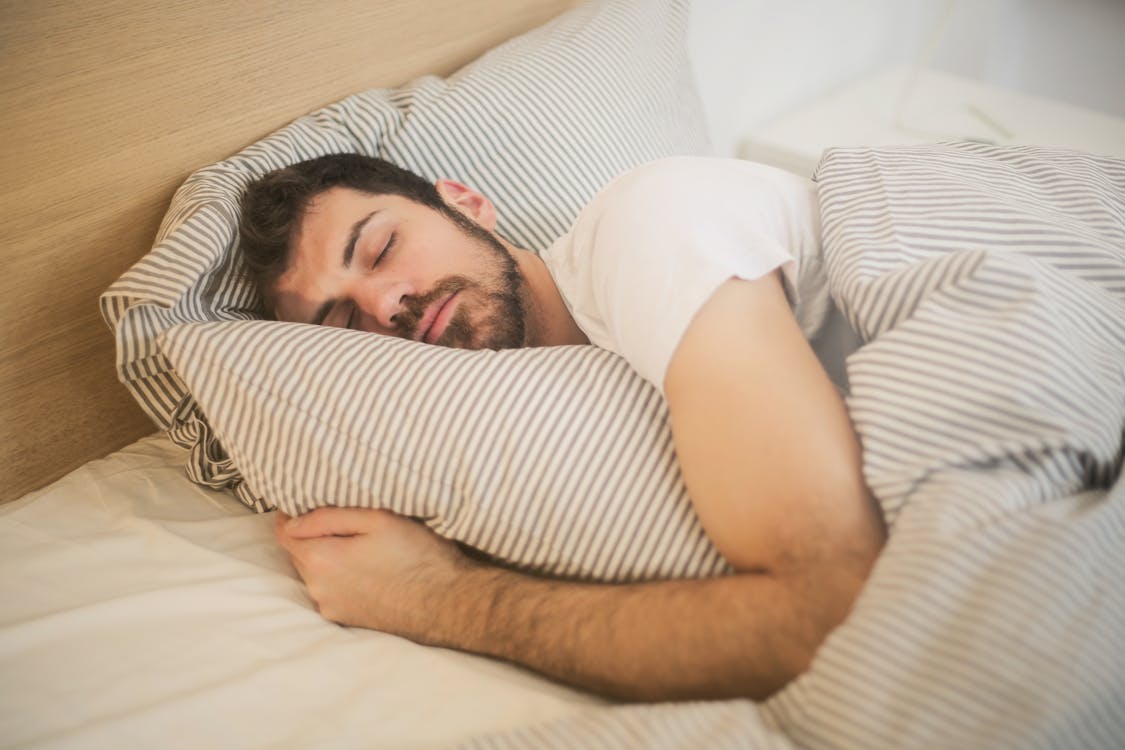
Sleep anxiety is not simply worrying at night. It's a physiological state: the nervous system activates instead of quieting when you lie down, producing a cycle where the attempt to sleep becomes its own trigger for wakefulness. The exhaustion is real, the desire to sleep is genuine, but the body is running a threat response that makes sleep impossible regardless of how tired you are.
This guide covers what sleep anxiety actually feels like in the body and mind, why it develops, and what interventions reliably break the pattern. The difference between understanding it as a behavioral habit versus a physiological state changes everything about how you treat it.
Sleep anxiety produces a feedback loop: anxiety about not sleeping causes arousal that prevents sleep, which increases anxiety about the next night. Breaking the cycle requires addressing both the physiological and the conditioned behavioral components simultaneously.
What Sleep Anxiety Actually Feels Like
Sleep anxiety has a specific signature that distinguishes it from general nighttime worry. You feel tired during the day — genuinely exhausted, sometimes struggling to keep your eyes open. But within minutes of lying down, something shifts. The mind accelerates, the body tightens, and sleep feels simultaneously necessary and completely out of reach.
The physical experience varies by person, but four clusters of symptoms account for most cases.
⚡
Cognitive Hyperarousal
Thoughts that cycle without resolution — tomorrow's tasks, past conversations, worst-case scenarios. The working memory refuses to disengage. This isn't overthinking. It's the prefrontal cortex running problem-solving loops that evolved to keep you alert to threats, activated at the wrong time.
💓
Physical Tension
Muscle tension in the jaw, neck, and shoulders. A slightly elevated heart rate — not racing, but noticeable. Feeling too warm even in a cool room. These are mild fight-or-flight responses generated by elevated cortisol and sympathetic nervous system activation.
👁
Hypervigilance
Acute awareness of every sound in the room, the temperature, physical comfort, whether you're lying still enough. The sensory filter that normally filters out background stimuli during relaxation stays active. You notice things you wouldn't during the day.
🕐
Clock Monitoring
Repeatedly checking the time and calculating how many hours remain if you fall asleep now. Each calculation increases arousal as the number shrinks. The monitoring itself becomes a driver of the anxiety. People with sleep anxiety describe this as one of the most distressing elements.
A key marker of sleep anxiety specifically (versus generalized anxiety that happens at night) is that the arousal is conditional. Many people with sleep anxiety fall asleep easily on a couch or in a car, or sleep well when traveling. The anxiety is tied to the act of trying to sleep in bed — a conditioned response, not a permanent physiological state.
Why People Get Sleep Anxiety
Sleep anxiety develops through a combination of physiological vulnerability and a learned association between bed and wakefulness. Neither component alone usually sustains it. Both together create a self-reinforcing cycle that can persist for months or years without intervention.
40M
Americans with chronic sleep disorders
36%
Report anxiety as their primary sleep barrier
3x
Higher cortisol in people with sleep anxiety vs. good sleepers
1–2 wk
Average time for conditioned arousal to begin reversing with treatment
The Physiological Component
The HPA (hypothalamic-pituitary-adrenal) axis regulates cortisol — the body's primary stress hormone. In people with sleep anxiety, HPA axis activity doesn't follow the normal pattern of high cortisol in the morning and low cortisol at night. Instead, evening cortisol stays elevated, maintaining the alert state that the nervous system needs to disengage from in order to sleep.
Several factors drive this: sustained work or personal stress, poor sleep quality creating a stress loop, nutritional deficiencies (particularly magnesium, which directly modulates HPA axis reactivity), excessive caffeine, irregular schedules, and alcohol — which appears to relax but disrupts the second half of sleep and increases HPA activity the following night.
The Behavioral Component
Conditioned arousal develops when someone spends enough nights lying awake in bed that the brain begins to associate the bed itself with wakefulness and anxiety. This is stimulus-response conditioning — the same mechanism Pavlov demonstrated with dogs. The bed becomes a cue that triggers the alert state, independent of how tired you actually are. This is why many people with sleep anxiety can fall asleep easily anywhere except their own bed.
The conditioning strengthens with each wakeful night and weakens with consistent successful sleep. Once established, it operates automatically — you don't consciously decide to feel anxious when you lie down; it happens the moment the association is triggered.
The Self-Reinforcing Loop
Poor sleep raises cortisol the next day, which makes the HPA axis more reactive that evening, which raises evening cortisol, which makes sleep harder. Simultaneously, each night of lying awake strengthens the conditioned arousal association. Without intervention, sleep anxiety reliably gets worse over time — not better. The severity of the problem after 6 months is typically greater than at onset, not less.
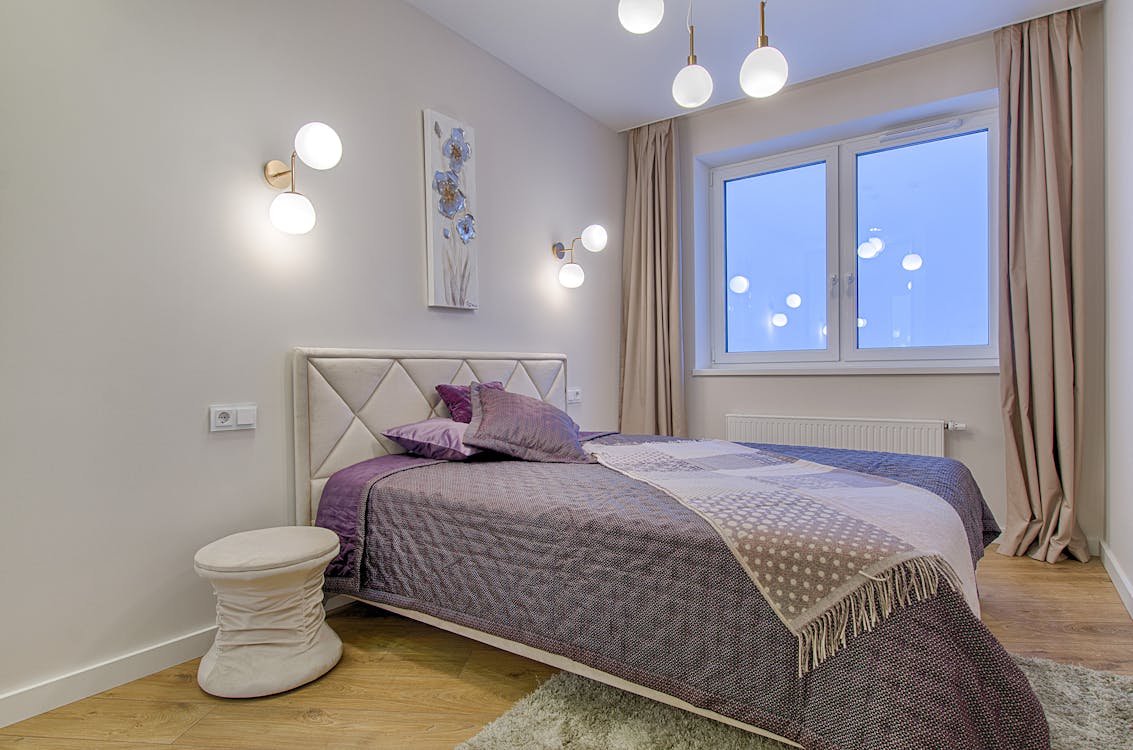
Stimulus control therapy works by re-associating the bed with sleep rather than wakefulness. The physical environment — cool, dark, quiet, and used exclusively for sleep — is part of that re-conditioning process.
How to Cure Sleep Anxiety
Curing sleep anxiety requires breaking both components simultaneously: reducing physiological arousal and eliminating the conditioned bed-alert association. Neither intervention works fully in isolation. Supplements that lower cortisol and support GABA function ease the physiological side, but if the behavioral conditioning remains, the anxiety reasserts when the supplement wears off. Behavioral work alone is slower without physiological support.
1
Rebuild the physiological baseline (ongoing)
Magnesium glycinate (300mg elemental) and L-theanine (200mg) taken nightly address the two core physiological drivers of sleep anxiety: HPA axis overactivation and GABA receptor undersensitivity. Magnesium deficiency directly increases cortisol reactivity and impairs GABA function. Correcting the deficiency blunts the evening cortisol spike and restores the GABA sensitivity the nervous system needs to downshift into sleep. L-theanine promotes alpha brainwave activity — the calm-alert state that precedes sleep — without sedation. This is the foundation. Start here and maintain it throughout the behavioral work.
2
Apply stimulus control therapy (week 1 onward)
Use the bed only for sleep. If you lie down and can't sleep within 20 minutes, get up. Go to a dim room and do something low-engagement — reading print works well. Return to bed only when genuinely sleepy. Repeat as many times as needed. This breaks the conditioned arousal by making successful sleep the only consistent outcome in the bed. It works against your instincts but is the single most evidence-supported behavioral intervention for chronic insomnia. Most people see improvement within one to two weeks of consistent application.
3
Fix your wake time (permanent)
Set a fixed wake time and maintain it seven days a week, regardless of how poorly you slept. This is the most powerful driver of sleep pressure — the adenosine buildup that makes falling asleep feel effortless when it accumulates correctly. Varying wake time by more than 30 minutes disrupts the pressure and extends recovery. The fixed wake time provides the physiological anchor that makes everything else work faster.
4
Use the wind-down window deliberately (nightly)
Spend 45–60 minutes before bed in dim light doing something genuinely low-engagement. The goal is to lower cortisol before you enter the bedroom so the conditioned arousal cue fires into a calmer physiological state, reducing its impact. Screens work against this: blue light suppresses melatonin and the content (news, social media, video) maintains cognitive arousal. Reading physical books, slow stretching, or a warm shower all work. The warm shower exploits the body's thermoregulatory response — core temperature rises then drops more steeply afterward, accelerating the thermal sleep signal.
5
Address the cognitive loop directly (as needed)
When cognitive hyperarousal is the dominant symptom — thoughts cycling through tomorrow's tasks or unresolved problems — externalize it. Write a specific to-do list for tomorrow before beginning the wind-down window. A 2018 study in the Journal of Experimental Psychology found that writing a specific to-do list before bed reduced sleep onset time more effectively than journaling about what was already complete. The act of committing tasks to paper quiets the prospective memory system that keeps rehearsing them. Use the 3-3-3 grounding rule during the wind-down if anxiety spikes before bed.
6
Do not catastrophize the bad nights (mindset shift)
One poor night's sleep has less impact on next-day function than the anxiety about it does. The catastrophizing itself — "I need 8 hours or I can't function," "I'm ruining my health" — is a secondary driver of the anxiety cycle. Sleep debt resolves quickly with recovery sleep; the behavioral conditioning is what requires sustained work. Nights when the anxiety is higher are information about the state of the conditioning, not evidence of permanent damage.
The 3-3-3 Rule for Anxiety and Sleep
The 3-3-3 rule is a grounding technique drawn from anxiety management that works by redirecting attention away from cognitive loops and toward immediate sensory experience. It interrupts the rumination cycle by engaging the observational (rather than problem-solving) mode of the prefrontal cortex. Applied specifically to sleep anxiety, it works best during the wind-down period or when hyperarousal spikes during the night.
3
Things You Can See
Name 3 objects in your immediate visual field
Be specific: the corner of the ceiling, the edge of the window
Engage your eyes and describe what you actually see, not what you expect
3
Things You Can Hear
Name 3 sounds present in the room right now
Include background and ambient sounds you normally filter out
The further away the sound, the more effective the grounding
3
Things You Can Move
Move 3 body parts: fingers, toes, shoulders
Feel the physical sensation of each movement
The physical action anchors attention in the body rather than the mind
The mechanism is straightforward: cognitive hyperarousal requires your attention to sustain itself. The 3-3-3 exercise redirects that attention to present-moment sensory data, which is incompatible with the forward-looking, problem-solving loop that characterizes sleep anxiety. It doesn't solve the underlying problem but interrupts the immediate spike reliably enough to allow the GABA and cortisol support from supplements to take effect.
Apply it during the wind-down period, not in bed. Using it in bed risks reinforcing the bed-alert association by making bed a place where you practice anxiety management rather than sleep. If you wake in the middle of the night with an anxiety spike, you can use it briefly — but follow it by getting out of bed if sleep doesn't return within 15–20 minutes.
Pair It With Breathing
After completing the 3-3-3 exercise, layer in 4-7-8 breathing: inhale for 4 seconds through the nose, hold for 7, exhale fully for 8. The extended exhale activates the vagus nerve and triggers a measurable parasympathetic response within two to three cycles. Together with the 3-3-3 grounding, this combination typically brings a noticeable reduction in subjective anxiety within five minutes.
The Best Sleeping Position for Anxiety
Sleeping position affects anxiety through two mechanisms: airway quality (which impacts sleep fragmentation and therefore cortisol) and physical comfort's effect on the nervous system's perception of safety. No position eliminates sleep anxiety, but some create better conditions for the physiological downregulation that sleep requires.
Recommended
Left-side lying, pillow between knees
Left-side sleeping reduces acid reflux (a common nighttime anxiety amplifier), promotes lymphatic drainage, and keeps the airway open. The pillow between knees neutralizes spinal rotation and reduces physical tension in the hips and lower back. Physical comfort directly signals safety to the nervous system — tension in the body maintains sympathetic activation even when the mind is attempting to relax. This position minimizes the physical inputs that sustain arousal.
Good alternative
Right-side lying, knees slightly bent
Right-side sleeping keeps the airway open and is comfortable for most people. Less optimal than left-side for digestion but otherwise effective. Slightly bent knees reduce lumbar strain. Works well if left-side is uncomfortable due to shoulder issues or pregnancy.
Acceptable with modifications
Back sleeping, pillow under knees
Back sleeping can increase snoring and worsen obstructive sleep apnea, which directly raises cortisol and fragments sleep. If you sleep on your back without airway issues, a pillow under the knees reduces lower back tension. Avoid arms raised overhead — this position strains the shoulder and can cause numbness that wakes you.
Generally avoid
Stomach sleeping
Stomach sleeping requires rotating the neck to one side for breathing, creating sustained tension through the cervical spine and shoulder. This physical tension is processed by the nervous system as a mild stressor throughout sleep. It also compresses the lungs slightly, reducing respiratory efficiency. If you can only sleep on your stomach, a very thin or no pillow under the head reduces neck rotation.
Temperature matters more than position for most people with sleep anxiety. A room at 65–68°F (18–20°C) allows the body's core temperature to drop the 1–2°F the brain requires before initiating sleep. Physical warmth from heavy blankets, warm rooms, or a partner's body heat slows this process. If physical closeness is important, a fan or cooling pad helps offset the thermal effect.
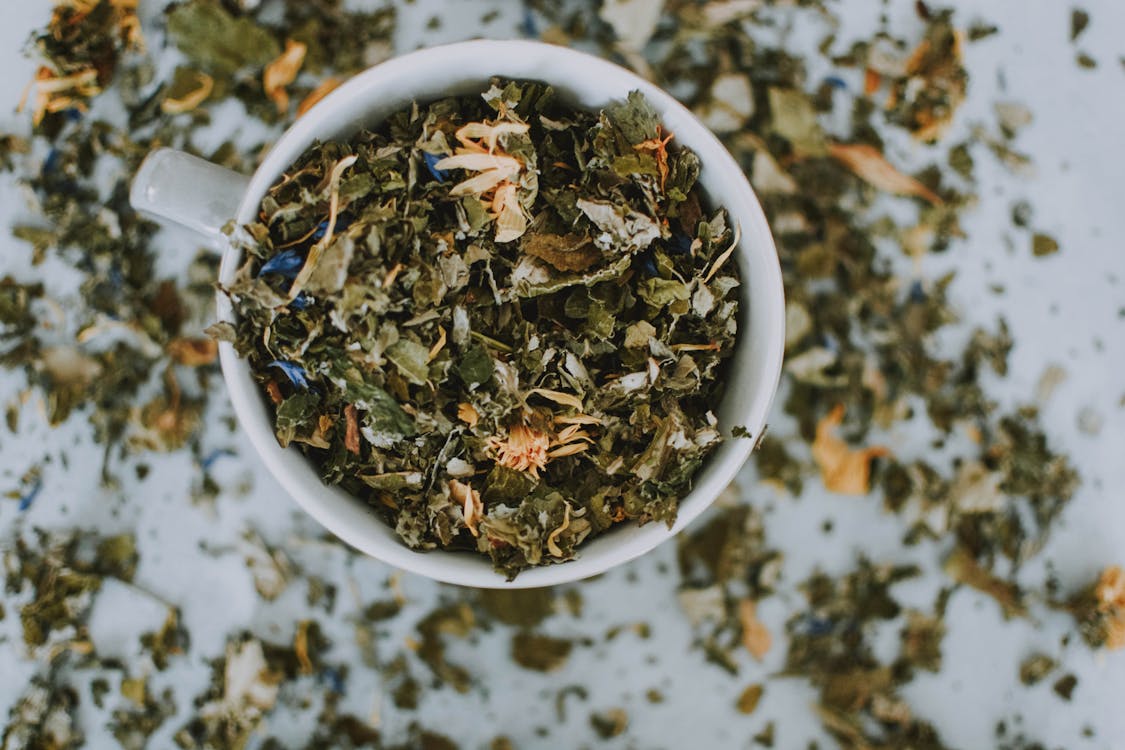
A warm herbal drink 30–45 minutes before bed supports the thermal sleep signal: the body warms from the drink, then cools as that warmth dissipates, deepening the core temperature drop the brain uses to initiate sleep.
A Sleep Foundation Worth Building
The behavioral interventions above work best when the physiological baseline supports them. Magnesium glycinate addresses the HPA axis overactivation and GABA receptor undersensitivity that sustain sleep anxiety at the neurological level. L-theanine reduces cognitive hyperarousal — the racing-thought component — by promoting alpha brainwave activity without sedation. Apigenin provides mild GABA-A receptor support that lowers the threshold for sleep onset without creating dependency.
RestEase Sleep Powder combines all three in a warm-water format that fits naturally into the wind-down window described above. It's melatonin-free — melatonin shifts circadian timing but doesn't address the cortisol or GABA mechanisms that drive anxiety-based sleep disruption. Taken 55 minutes before the target sleep time, the formula reduces the physiological arousal load that the behavioral work has to overcome. Browse the full formula at restease.com/pages/shopall.
RestEase Sleep Powder
★★★★☆ 4.6 / 5
Plant Based
100% natural botanicals and adaptogens backed by sleep scientists.
Melatonin Free
Zero melatonin. No dependency, no grogginess. Safe every night.
Lab Tested & Verified
3rd party tested for heavy metals and purity. Label guaranteed.
Premium Magnesium
Magnesium Glycinate for deep muscle relaxation before bed.
Sleep anxiety has a specific physical and cognitive signature. Physically: muscle tension in the jaw, neck, and shoulders; a slightly elevated heart rate; feeling too warm despite a cool room; restlessness that makes lying still uncomfortable. Cognitively: thoughts that cycle without resolving, often about tomorrow's demands or hypothetical problems; acute awareness of every sound and sensation in the room; repeated clock-checking and calculating remaining sleep time. The defining feature is that it's conditional — many people with sleep anxiety fall asleep easily in other environments (a couch, a car, traveling) because the conditioned arousal is tied specifically to their bed, not to sleep itself. The exhaustion is genuine, the desire to sleep is real, but the nervous system is running a mild threat response that overrides both.
Why do people get sleep anxiety?+
Sleep anxiety develops through two converging pathways. The first is physiological: elevated evening cortisol from HPA axis dysregulation, often triggered by sustained stress, poor sleep quality, magnesium deficiency, alcohol, or irregular schedules. High evening cortisol maintains sympathetic nervous system activation — the alert state — past the point where the brain needs it to quiet for sleep. The second is behavioral: conditioned arousal, where enough nights of lying awake in bed teach the brain to associate the bed itself with the alert state. Once this conditioning establishes, it operates automatically — the bed becomes a cue that triggers wakefulness independent of how tired you are. The two components reinforce each other: physiological arousal causes waking nights, waking nights strengthen the conditioning, and the resulting anxiety raises cortisol further.
How do I cure my sleep anxiety?+
Curing sleep anxiety requires addressing both its physiological and behavioral components. For physiology: magnesium glycinate (300mg elemental) and L-theanine (200mg) nightly reduce HPA axis overactivation and restore GABA receptor sensitivity — the two mechanisms that sustain the anxious arousal state. For behavior: stimulus control therapy (leaving the bed after 20 minutes of wakefulness, returning only when genuinely sleepy) breaks the conditioned bed-alert association over one to two weeks. A fixed wake time seven days a week builds the sleep pressure that makes falling asleep progressively easier. A consistent wind-down window in dim light lowers cortisol before bed contact. Most people see meaningful improvement within two to four weeks when applying all elements together. If symptoms persist beyond four to six weeks of consistent effort, CBT-I (cognitive behavioral therapy for insomnia) with a trained provider addresses the cognitive components more thoroughly than self-guided work.
What is the 3-3-3 rule for anxiety and sleep?+
The 3-3-3 rule is a grounding technique that interrupts cognitive hyperarousal by redirecting attention to immediate sensory experience. Name 3 things you can see, 3 things you can hear, and move 3 body parts. The process works by engaging the observational mode of the prefrontal cortex, which is incompatible with the forward-looking rumination loop that drives sleep anxiety. For sleep specifically, apply it during the wind-down period — not in bed, as using it in bed risks reinforcing the bed-alert association. Follow the exercise with 4-7-8 breathing (inhale 4 seconds, hold 7, exhale 8 seconds, four cycles) to add a physiological parasympathetic response to the cognitive grounding. The combination typically produces a noticeable reduction in subjective anxiety within five minutes. It doesn't solve the underlying sleep anxiety problem but reliably interrupts the acute spike and allows the nervous system to return toward baseline.
What is the best sleeping position for anxiety?+
Left-side lying with a pillow between the knees is the most broadly recommended position for people with sleep anxiety. Left-side sleeping keeps the airway open (reducing nighttime breathing disruptions that fragment sleep and raise cortisol), reduces acid reflux (a common nighttime anxiety amplifier), and the pillow between knees neutralizes lumbar tension. Physical tension anywhere in the body maintains sympathetic nervous system activation, so positions that minimize musculoskeletal strain reduce one input feeding the anxious state. Stomach sleeping is the least suitable: it requires sustained neck rotation that creates chronic tension, compresses the lungs slightly, and generates physical discomfort that the sleeping brain registers as a mild persistent stressor. Beyond position, room temperature matters significantly: 65–68°F allows the core temperature drop the brain uses to initiate and sustain sleep, and thermal warmth is a more common sleep disruptor for anxious sleepers than position.
What to do when your body won't let you sleep?+
When the body resists sleep despite exhaustion, the first step is to get out of bed rather than persist in lying awake. Remaining in bed while unable to sleep deepens the conditioned arousal association and increases frustration, which raises cortisol and makes sleep even less likely. Leave the bedroom, go to a dim room, and do something unstimulating until you feel a genuine pull toward sleep — not just tiredness, but the actual sensation of eyes drooping and thoughts slowing. Physical tools that help: 4-7-8 breathing (four cycles reduces heart rate measurably), progressive muscle relaxation (tensing and releasing each muscle group from feet to face provides a task for the mind and reduces physical tension), and cooling the room (temperature drop accelerates the thermal sleep signal). If the body-won't-sleep experience is frequent, the physiological tools — magnesium glycinate for GABA and cortisol support — provide the baseline that makes the behavioral strategies work faster.
How to break a sleep anxiety cycle?+
Breaking the sleep anxiety cycle requires attacking it at both ends simultaneously. From the physiological end: magnesium glycinate reduces the evening cortisol that maintains the anxious state and restores the GABA function the brain needs to downshift. L-theanine reduces cognitive hyperarousal — the thought-cycling component. Together, they lower the physiological threshold that the behavioral work has to push against. From the behavioral end: stimulus control therapy (leaving the bed when awake, returning only when sleepy) eliminates the conditioning that links bed to wakefulness. A fixed wake time creates the sleep pressure that makes lying down feel like something the body wants rather than something it resists. These two approaches are synergistic. The supplements make the first week of behavioral work easier to get through, and the behavioral work addresses the conditioned arousal that supplements alone don't resolve. Most people report a meaningful shift by week two and substantial improvement by week four.
Should I sleep for 1 hour or just stay awake if it's very late?+
Sleep if you can, regardless of how little time remains. Even one complete sleep cycle (approximately 90 minutes) provides meaningful restorative benefit — N3 deep sleep for physical recovery and one REM period for emotional processing. If you have less than 90 minutes available, a shorter sleep still provides benefit; the risk is waking from deep sleep, which causes sleep inertia (grogginess) that can persist for 30–60 minutes. If you have less than an hour and a demanding morning, some people feel better staying awake, using caffeine strategically (not immediately before, but 30 minutes before the demand), and banking a recovery night. Either way, do not catastrophize one night. The anxiety that one night of poor sleep will ruin function or long-term health is itself more damaging than the sleep loss — it raises cortisol and increases the likelihood that the following night will also be poor.
What is the #1 sleep aid for anxiety-driven insomnia?+
Cognitive Behavioral Therapy for Insomnia (CBT-I) is the most evidence-supported treatment for anxiety-driven insomnia, producing durable outcomes that persist after treatment ends. It addresses both the physiological and behavioral components through structured intervention. Among supplements, magnesium glycinate (300mg elemental nightly) has the strongest evidence base for anxiety-driven sleep disruption — it addresses the HPA axis overactivation and GABA receptor undersensitivity that make sleep anxiety physiologically difficult to exit. Combined with L-theanine for cognitive hyperarousal and consistent application of stimulus control therapy, this represents the most evidence-consistent non-prescription approach. OTC antihistamine sleep aids (ZzzQuil, Unisom) are the most commonly used but address neither anxiety nor sleep quality — they produce sedation through histamine blockade and lose effectiveness within days as tolerance develops.
Is there a sleeping pill you can take long term for anxiety?+
Among prescription options, low-dose doxepin (Silenor) is FDA-approved for sleep maintenance and carries no abuse potential at sleep doses. Ramelteon (Rozerem) targets melatonin receptors and is non-habit-forming, though modest in effect. For anxiety specifically, some SSRIs and SNRIs prescribed for anxiety disorder also improve sleep quality as a secondary effect over months of use. Benzodiazepines and Z-drugs (zolpidem, eszopiclone) are not appropriate for long-term use — they produce tolerance, physical dependence, and suppress sleep architecture. Among supplements, magnesium glycinate, L-theanine, and apigenin are all safe for indefinite nightly use with no tolerance ceiling. None of these are sleeping pills in the sedative sense — they support the physiological conditions for sleep rather than overriding them, which is why they don't produce dependency and remain effective long-term.
Sources
Morin CM, et al. (2006). Psychological and behavioral treatment of insomnia: Update of the recent evidence. Sleep.PubMed
Bootzin RR (1972). Stimulus control treatment for insomnia. Proceedings of the American Psychological Association.
Scullin MK, et al. (2018). The effects of bedtime writing on difficulty falling asleep. Journal of Experimental Psychology: General.PubMed
Pickering G, et al. (2020). Magnesium status and stress: the vicious circle concept revisited. Nutrients.PubMed
Hidese S, et al. (2019). Effects of L-theanine administration on stress-related symptoms and cognitive function in healthy adults. Nutrients.PubMed
Abbasi B, et al. (2012). The effect of magnesium supplementation on primary insomnia in elderly. Journal of Research in Medical Sciences.PubMed
Harvey AG (2002). A cognitive model of insomnia. Behaviour Research and Therapy.PubMed
Espie CA, et al. (2006). The attention-intention-effort pathway in the development of psychophysiologic insomnia. Sleep Medicine Reviews.PubMed
Myllymäki T, et al. (2011). Effects of vigorous late-night exercise on sleep quality and cardiac autonomic activity. Journal of Sleep Research.PubMed
Van Someren EJ (2006). Mechanisms and functions of coupling between sleep and temperature rhythms. Progress in Brain Research.PubMed
These statements have not been evaluated by the Food and Drug Administration. RestEase products are not intended to diagnose, treat, cure, or prevent any disease. This article is for informational purposes only and does not constitute medical advice. If you experience persistent sleep anxiety, panic attacks, or sleep disruption that significantly affects daily life, consult a qualified healthcare professional. Individual results may vary.