


GABA Supplement for Sleep: Does It Really Work?
(What the Science Says)
A GABA supplement for sleep works by raising levels of gamma-aminobutyric acid (GABA) ↗ — your brain’s primary calming neurotransmitter — which slows nervous system activity and makes it easier to fall and stay asleep. Research suggests it can cut sleep latency and improve sleep depth, particularly when poor sleep is driven by stress or anxiety.
You lie down exhausted — and your brain won’t stop. Racing thoughts, tension in your shoulders, a mental to-do list that won’t quit. According to the Centers for Disease Control and Prevention (CDC, 2024) ↗, more than 70 million Americans live with a chronic sleep problem. For women aged 25–55, the numbers run even higher.
Most sleep advice points straight to melatonin. But melatonin tells your brain when to sleep — not how easily to get there. If stress and an overactive nervous system are the real culprits, a GABA supplement for sleep may be the missing piece. In this guide, you’ll find exactly how GABA works, what clinical research shows, the right dosage, and how to pair it with other natural sleep supplements for stronger results.

What Is GABA and Why Does It Matter for Sleep?
GABA (gamma-aminobutyric acid) ↗ is the brain’s primary inhibitory neurotransmitter. Its job is simple: reduce neural activity. When GABA binds to receptors in your brain, it slows electrical signals, quiets anxious thoughts, and creates the mental conditions your body needs to transition into sleep.
Think of your nervous system as a busy freeway at rush hour. GABA is the traffic control system that eases congestion and allows everything to slow down naturally.
Low GABA activity is directly linked to:
- Difficulty falling asleep — high sleep latency ↗
- Waking frequently during the night
- The “wired but tired” feeling at bedtime
- Evening anxiety that spikes when you stop moving
GABA is not a sedative — it does not force sleep. It removes the neurological barriers that prevent your body from reaching its natural sleep state on its own.
Chronic stress depletes GABA over time. This explains why women managing high-stress lives — work, family, hormonal shifts — are disproportionately affected by sleep problems tied to an overactive nervous system.
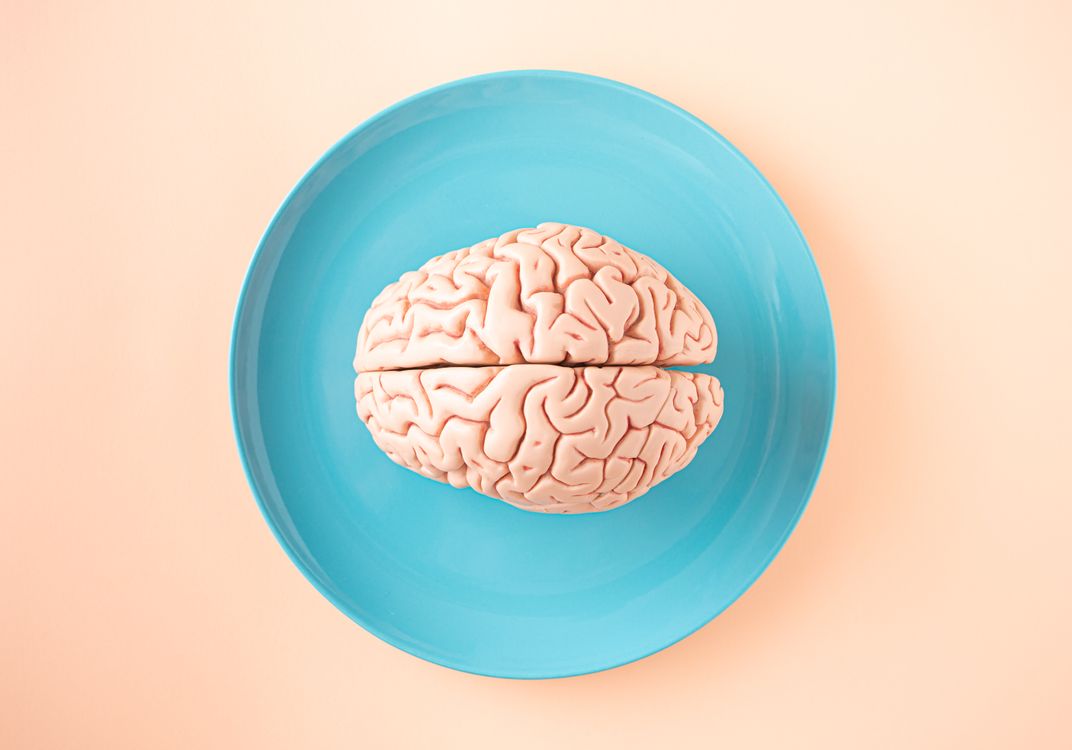
Can a GABA Supplement Actually Reach Your Brain?
This is the most debated question in GABA supplementation. The blood-brain barrier (BBB) ↗ is a protective filter that controls what enters the brain from the bloodstream. Standard GABA molecules are generally considered too large to cross it efficiently — so does supplementing actually work?
Research published in Frontiers in Neuroscience (2020) points to two active mechanisms:
- Direct absorption: Bioavailable forms of GABA — particularly PharmaGABA, a naturally fermented form — may cross the BBB in small but clinically meaningful amounts.
- Gut-brain axis: A significant share of the body’s GABA receptors live in the gut. Supplemental GABA may activate these peripheral receptors, sending calming signals to the brain via the vagus nerve ↗.
Look specifically for supplements labelled PharmaGABA (fermented via Lactobacillus hilgardii) rather than synthetic GABA. It carries a stronger evidence base for bioavailability and consistent sleep outcomes.
What the Research Says About GABA and Sleep Quality
The clinical evidence for GABA supplements is modest but consistent — especially for stress-related insomnia.
A 2019 clinical trial published in Foods ↗ found that participants who took 300 mg of GABA daily for 4 weeks fell asleep 5.3 minutes faster on average and reported measurably deeper sleep compared to the placebo group.
A 2018 study in Frontiers in Neurology ↗ tested GABA combined with 5-HTP ↗ (a serotonin precursor). The combination reduced sleep onset time by over 13 minutes and increased total sleep duration — more effective than either compound alone.
According to research by Yamatsu et al. (2016) ↗ in Food Science and Biotechnology, just 100 mg of GABA taken before bed significantly reduced sleep latency and improved sleep quality in adults with mild sleep difficulties.
GABA works best when poor sleep is driven by stress, anxiety, or an overactive nervous system — not by structural conditions like sleep apnea or chronic pain.

GABA Dosage for Sleep: How Much Should You Take?
There is no single universal dose, but clinical research points to a reliable range.
| Purpose | Dose | Timing |
|---|---|---|
| Mild sleep difficulty / stress | 100–200 mg | 30–60 min before bed |
| Moderate insomnia / anxiety | 250–500 mg | 30–60 min before bed |
| Maximum studied dose (short-term research) | 750 mg | Not recommended long-term without medical guidance |
Start at 100 mg and assess your response after 1–2 weeks before increasing. More is not always more — some people respond better to lower doses. Consistency matters more than size: daily use for 2–4 weeks outperforms occasional use every time.
Do not combine GABA supplements with sedative medications, benzodiazepines, or alcohol without speaking to a doctor first. At higher doses, some people notice mild tingling sensations or morning drowsiness.
How to Stack GABA with Other Natural Sleep Aids
GABA works well alone, but pairing it with complementary compounds amplifies results. Three evidence-backed combinations:
GABA + L-Theanine
L-theanine ↗ is an amino acid found in green tea that increases alpha brain waves — the same relaxed-alert state that immediately precedes sleep. Together, GABA and L-theanine address both the chemical and electrical dimensions of evening relaxation. Take 200 mg L-theanine alongside your GABA dose.
GABA + Magnesium Glycinate
Magnesium ↗ activates GABA receptors directly. Low magnesium — extremely common in women — makes GABA less effective regardless of dose. Adding 200–400 mg of magnesium glycinate before bed significantly boosts GABA’s calming effect.
GABA + Low-Dose Melatonin
Melatonin ↗ at 0.5–1 mg signals your brain that it’s time to sleep. GABA calms the nervous system so your body can actually act on that signal. Keep melatonin low — high doses often backfire and disrupt sleep architecture ↗.
The most common reason GABA supplements ‘don’t work’ is inconsistent use, taking them too close to bedtime, or not addressing underlying magnesium deficiency first.
Who Should Try a GABA Supplement for Sleep?
A GABA supplement for sleep is most likely to help you if:
- You feel mentally switched-on or anxious at bedtime despite physical exhaustion
- You wake between 2–4 am with racing thoughts and can’t fall back asleep
- Your sleep problems started or worsened during a high-stress period
- You’ve tried melatonin with limited or no results
- You experience mild anxiety that doesn’t require prescription treatment
It is less likely to be the primary solution if your sleep problems stem from sleep apnea ↗, chronic pain, or perimenopausal hormonal shifts ↗ — though GABA may still play a supportive role. Speak with a healthcare provider if you’re unsure.

Frequently Asked Questions
How long does it take for a GABA supplement to work for sleep?
Most people notice a difference within 1–2 weeks of consistent daily use. According to clinical trials, measurable improvements in sleep latency and depth typically appear after 4 weeks. Give it a full month before drawing conclusions.
Is it safe to take a GABA supplement every night?
GABA is generally considered safe for nightly use at standard doses (100–500 mg). Current research shows no significant adverse effects. Taking a 1-week break every 2–3 months is a reasonable precaution against tolerance.
Can GABA supplements cause dependence?
According to current research, GABA supplements do not cause physical dependence. Unlike prescription sleep aids, there is no established withdrawal syndrome associated with stopping GABA supplementation.
What is the best form of GABA supplement for sleep?
PharmaGABA — naturally fermented using Lactobacillus hilgardii — has the strongest evidence for bioavailability and sleep benefits. Look for this on the label rather than synthetic GABA.
Can women take GABA during perimenopause?
GABA may be particularly relevant during perimenopause ↗, when declining estrogen disrupts GABA receptor sensitivity and worsens sleep. Always consult a healthcare provider before starting new supplements during hormonal transitions.
Does GABA interact with other sleep supplements?
GABA pairs well with L-theanine, magnesium glycinate, and low-dose melatonin — combinations backed by evidence and generally safe. Avoid combining GABA with prescription sedatives or high-dose melatonin without medical guidance.
The Bottom Line
If stress and an overactive mind are what’s keeping you awake, a GABA supplement for sleep is one of the most targeted natural solutions available. The research consistently shows GABA reduces sleep latency and improves sleep depth — especially when paired with magnesium glycinate or L-theanine. Start at 100–200 mg taken 30–60 minutes before bed, use it consistently for at least 4 weeks, and choose PharmaGABA for the best absorption.
Sleep isn’t a luxury. It’s the foundation of everything else.


