


Best Prenatal Vitamins: A Deep Dive Into the Science Behind What Works
The best prenatal vitamins contain methylfolate (400-800 mcg), chelated iron (27 mg), choline (450 mg), DHA (200-300 mg), and iodine (150-290 mcg) in bioavailable forms. Ingredient quality and form matter as much as the amounts listed on the label.
You've just seen those two pink lines on a pregnancy test, or maybe you're planning ahead for conception. Either way, the vitamin aisle suddenly feels overwhelming. Dozens of bottles promise to be the best prenatal vitamins, but which ones actually deliver what your body needs?
Here's the direct answer: the best prenatal vitamins contain adequate folate ↗ (at least 400-800 mcg), iron ↗ (27 mg), choline ↗ (450 mg), DHA ↗ (200-300 mg), and iodine (150-290 mcg) in bioavailable forms. The ingredient forms matter just as much as the amounts listed on the label.
This guide breaks down exactly what the research shows about each essential nutrient, which forms your body absorbs most efficiently, and where significant evidence gaps still exist. Understanding the science helps you make an informed choice rather than relying on marketing claims alone.
Why Prenatal Vitamins Matter: The Biological Mechanisms Behind Each Trimester
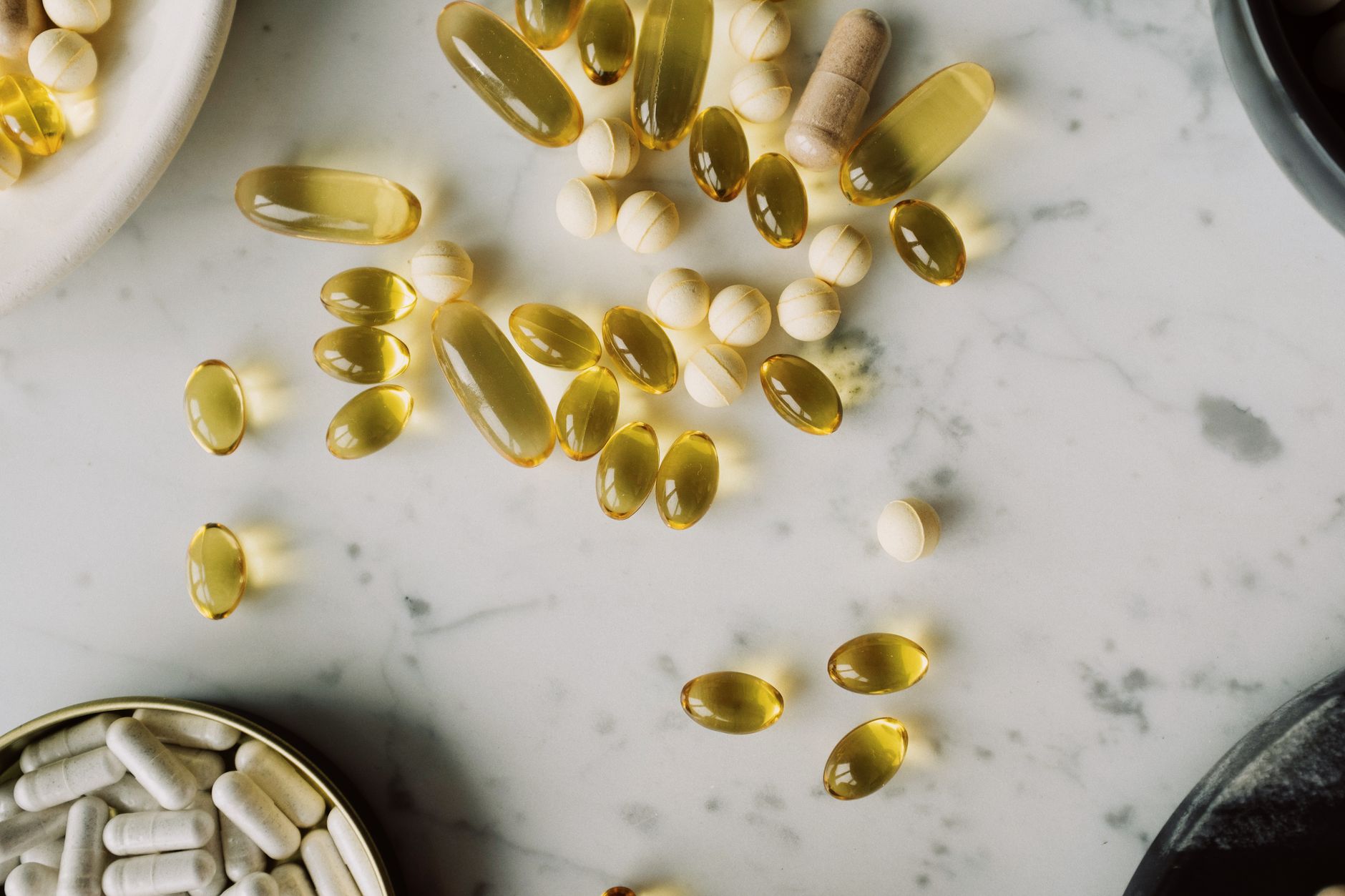
The need for prenatal vitamins stems from a simple biological reality: pregnancy dramatically increases nutritional demands. Blood volume expands by roughly 50%, the placenta requires constant nutrient delivery, and fetal organ development pulls heavily from maternal stores.
Folate prevents neural tube defects ↗ by supporting DNA synthesis during the critical first 28 days after conception. This happens before most women even know they're pregnant, which explains why health organizations recommend starting prenatal vitamins before conception.
During the second trimester, iron demands spike because red blood cell production accelerates. Iron-deficiency anemia ↗ during pregnancy increases risks of preterm delivery and low birth weight. The recommended daily allowance jumps from 18 mg to 27 mg during pregnancy.
The Folate Form Debate
Not all folate is created equal. Synthetic folic acid ↗ must be converted through multiple enzymatic steps before your body can use it. Roughly 40% of women carry a genetic variation (MTHFR polymorphism) that reduces this conversion efficiency.
Methylfolate (5-MTHF) bypasses this conversion process entirely. Studies suggest methylfolate raises blood folate levels more reliably in women with MTHFR variants. However, research directly comparing pregnancy outcomes between folic acid and methylfolate remains limited.
Quality prenatal vitamins increasingly include methylfolate, though folic acid still effectively prevents neural tube defects for most women. The evidence supports either form at adequate doses.
Choosing the Best Multivitamin for Women During Preconception and Pregnancy
Finding the best multivitamin for women planning pregnancy requires looking beyond basic nutrient lists. Three factors determine whether those nutrients actually reach your cells: form, dose, and timing.
Many formulas skimp on expensive nutrients. Choline, for example, rarely appears at the recommended 450 mg because it adds bulk and cost. A 2017 analysis found that fewer than 10% of prenatal supplements contained adequate choline, despite research linking it to fetal brain development ↗.
The best multivitamin for women in their reproductive years addresses these common shortfalls:
- Vitamin D3 (cholecalciferol) absorbs better than D2 (ergocalciferol). Aim for 1000-2000 IU daily, as deficiency affects an estimated 40-60% of pregnant women.
- Chelated iron (iron bisglycinate) causes less constipation ↗ and nausea ↗ than ferrous sulfate while maintaining similar absorption rates.
- Iodine from potassium iodide supports thyroid function and fetal neurological development. Many prenatal vitamins still omit this entirely.
RestEase was built on the principle that ingredient quality determines real-world results, a philosophy that applies whether you're supporting sleep or prenatal health.
Bioavailability: Why Form Matters More Than Amount
The number on a label represents what goes into the capsule, not what reaches your bloodstream. Bioavailability measures the percentage of a nutrient that actually gets absorbed and used.
Consider magnesium ↗. Magnesium oxide (the cheapest form) has roughly 4% bioavailability. Magnesium glycinate ↗ absorbs at closer to 20-25%. A prenatal with 400 mg of magnesium oxide delivers less usable magnesium than one with 200 mg of glycinate.
This principle applies across nutrients. Zinc picolinate outperforms zinc oxide. Vitamin B12 as methylcobalamin works better for those with absorption issues than cyanocobalamin. Reading ingredient lists, not just nutrient facts panels, reveals true supplement quality.
| Nutrient | Inferior Form | Superior Form | Why It Matters |
|---|---|---|---|
| Folate | Folic acid | Methylfolate (5-MTHF) | Bypasses MTHFR conversion issues |
| Iron | Ferrous sulfate | Iron bisglycinate | 50% less GI side effects |
| B12 | Cyanocobalamin | Methylcobalamin | Already active, no conversion needed |
| Vitamin D | D2 (ergocalciferol) | D3 (cholecalciferol) | 87% more effective at raising blood levels |
| Magnesium | Oxide | Glycinate or citrate | 5-6x better absorption |
| Zinc | Oxide | Picolinate or citrate | Significantly improved uptake |
How Prenatal Nutrients Support the Best Hair Growth Vitamins Profile
Pregnancy often triggers dramatic hair changes. Many women notice thicker, shinier hair during the second and third trimesters due to elevated estrogen levels that prolong the hair growth phase. Postpartum, however, brings a different story.
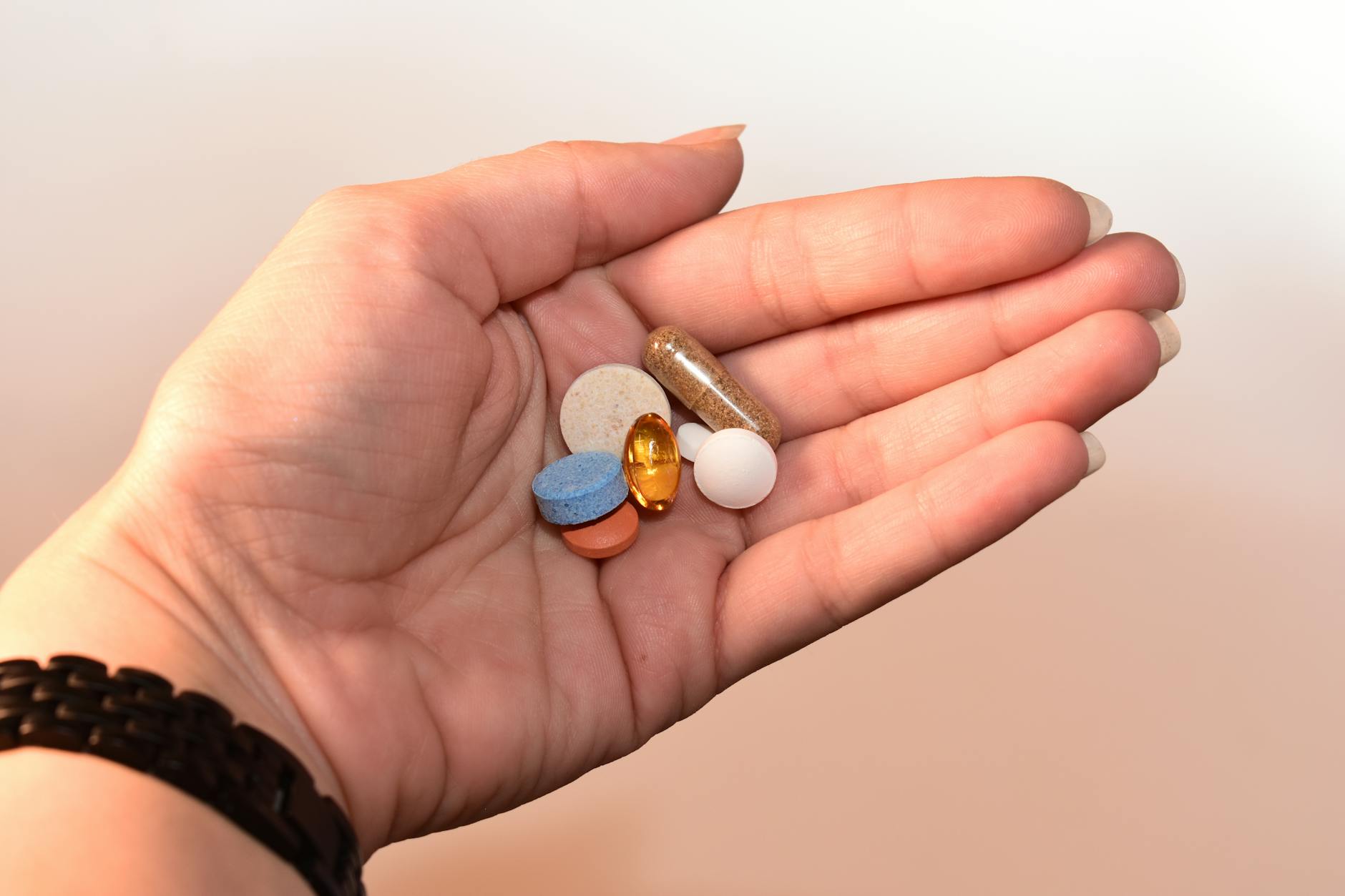
The nutrients in quality prenatals overlap significantly with the best hair growth vitamins. Biotin ↗ (B7) supports keratin production. Iron carries oxygen to hair follicles. Zinc aids protein synthesis in follicular cells.
This connection explains why many women continue taking prenatals while breastfeeding or even beyond. The best hair growth vitamins share a common thread with prenatal formulas: they address the nutritional foundations that support rapidly dividing cells.
Research on individual nutrients for hair health shows:
- Biotin deficiency causes hair thinning, though deficiency is rare in healthy adults. Prenatal doses typically range from 30-300 mcg.
- Iron deficiency correlates with telogen effluvium ↗, the excessive shedding many women experience postpartum.
- Vitamin D receptors exist in hair follicles, and low levels associate with alopecia in some studies.
- Omega-3 fatty acids support scalp health and may reduce inflammation around follicles.
The Sleep-Nutrition Connection
Quality sleep profoundly impacts nutrient absorption and utilization. Circadian rhythm ↗ disruptions alter gut motility and enzyme production, potentially reducing how well your body processes vitamins taken at suboptimal times.
Pregnant women frequently struggle with sleep, particularly in the third trimester. Discomfort, frequent urination, and restless leg syndrome ↗ all interfere with restorative rest. This creates a problematic cycle where poor sleep may compromise the very nutrient absorption needed to support healthy pregnancy.
RestEase formulated their sleep powder with pregnancy-adjacent concerns in mind, focusing on gentle, research-backed ingredients that support natural sleep architecture ↗ without harsh sedatives.
What the Research Shows About Dosage and Safety
The gap between recommended daily allowances and optimal doses remains controversial in prenatal nutrition. Government recommendations establish minimums to prevent deficiency, not necessarily doses for optimal outcomes.
Take vitamin D as an example. The current RDA for pregnant women sits at 600 IU daily. Yet multiple studies suggest that 4000 IU daily more effectively prevents preeclampsia ↗ and supports fetal bone development. The Endocrine Society recommends at least 1500-2000 IU during pregnancy.
Safe upper limits matter too:
- Vitamin A (as retinol) becomes toxic above 10,000 IU daily and can cause birth defects. Prenatals should use beta-carotene instead, which your body converts only as needed.
- Iron above 45 mg daily increases oxidative stress risk. Higher doses require medical supervision for diagnosed anemia.
- Folic acid above 1000 mcg daily may mask B12 deficiency symptoms. Methylfolate doesn't carry this concern.
Always consult with a healthcare provider before starting any supplement regimen during pregnancy. Individual needs vary based on dietary intake, health conditions, and genetic factors.
Evidence Gaps Worth Acknowledging
Honest assessment reveals where prenatal vitamin research falls short:
- Choline dosing: The 450 mg recommendation comes from limited data. Some researchers argue 930 mg better supports fetal brain development.
- DHA timing: While DHA clearly benefits fetal brain and eye development, optimal supplementation timing (preconception vs. third trimester emphasis) remains debated.
- Multivitamin vs. targeted nutrients: Few studies directly compare comprehensive prenatals against strategic single-nutrient supplementation.
- Long-term offspring outcomes: Most prenatal vitamin studies measure birth outcomes, not childhood development or adult health.
Frequently Asked Questions
Do prenatal vitamins actually help with hair growth?
The nutrients in prenatals support healthy hair follicles, making them function similarly to the best vitamins for hair growth. Iron, biotin, zinc, and vitamin D all play roles in keratin production and follicle health. Many women notice improved hair quality while taking prenatals consistently.
When should I start taking prenatal vitamins?
Ideally, begin at least one month before trying to conceive. Neural tube development occurs in the first 28 days after conception, often before pregnancy confirmation. Starting early ensures adequate folate levels during this critical window.
Can prenatal vitamins replace the best vitamins for hair growth supplements?
For many women, yes. Quality prenatals contain overlapping nutrients with dedicated hair supplements. The key differences involve dosing. Hair-specific formulas often contain higher biotin levels (5000+ mcg vs. 30-300 mcg in prenatals). If hair health is a primary concern postpartum, a targeted supplement might offer additional benefits.
Why do some prenatal vitamins cause nausea?
Iron is typically the culprit. Standard ferrous sulfate irritates the stomach lining. Switching to iron bisglycinate or taking prenatals with food often resolves this. Some women tolerate prenatal gummies better, though these frequently lack iron entirely.
How do I know if my prenatal vitamin is high quality?
Look for third-party testing certifications (USP, NSF, ConsumerLab). Check that folate appears as methylfolate or folinic acid rather than only folic acid. Verify that iron uses a chelated form. Ensure choline and iodine are included at meaningful doses. Avoid products with excessive artificial colors or fillers.
The Bottom Line
Choosing the best prenatal vitamins requires looking past marketing claims to examine actual ingredient forms, doses, and what peer-reviewed research supports. The science consistently points toward methylfolate over folic acid for many women, chelated minerals over oxide forms, and adequate choline that most formulas still lack.
The overlap between prenatal nutrition and the best vitamins for hair growth reflects a deeper truth: your body's systems are interconnected. Nutrients that support a developing baby also support maternal tissue health, energy production, and those rapidly dividing hair follicle cells.
Supporting your body during pregnancy extends beyond vitamins alone. Quality sleep plays an underappreciated role in nutrient absorption and overall wellbeing. Brands like RestEase understand that true wellness requires addressing multiple pillars of health, not just checking boxes on a supplement label.