


VITAMINS FOR WOMEN: 9 ESSENTIAL NUTRIENTS EVERY WOMAN NEEDS
The most important vitamins for women are vitamin D, B12, folate, iron, calcium, magnesium, vitamin C, vitamin K2, and omega-3 fatty acids. Needs shift across life stages — reproductive years prioritize iron and folate, while midlife and beyond require more vitamin D, K2, and B12. Most women have at least one significant gap that diet alone does not fill.
Nearly 1 in 3 American women is deficient in at least one essential vitamin — yet most feel fine until the deficiency is advanced enough to cause symptoms. Vitamins for women aren't just a marketing category. Women face distinctly different nutritional demands than men: monthly blood loss, pregnancy, breastfeeding, hormonal fluctuations across decades, and an accelerated risk of bone loss after menopause all create needs that a general supplement or a standard diet often fails to meet.
This guide breaks down the 9 nutrients most critical to women's health — what each one does, how much you actually need, the best food sources, and when supplementation makes sense. Whether you're 25 or 65, this is your blueprint for getting the foundations right.
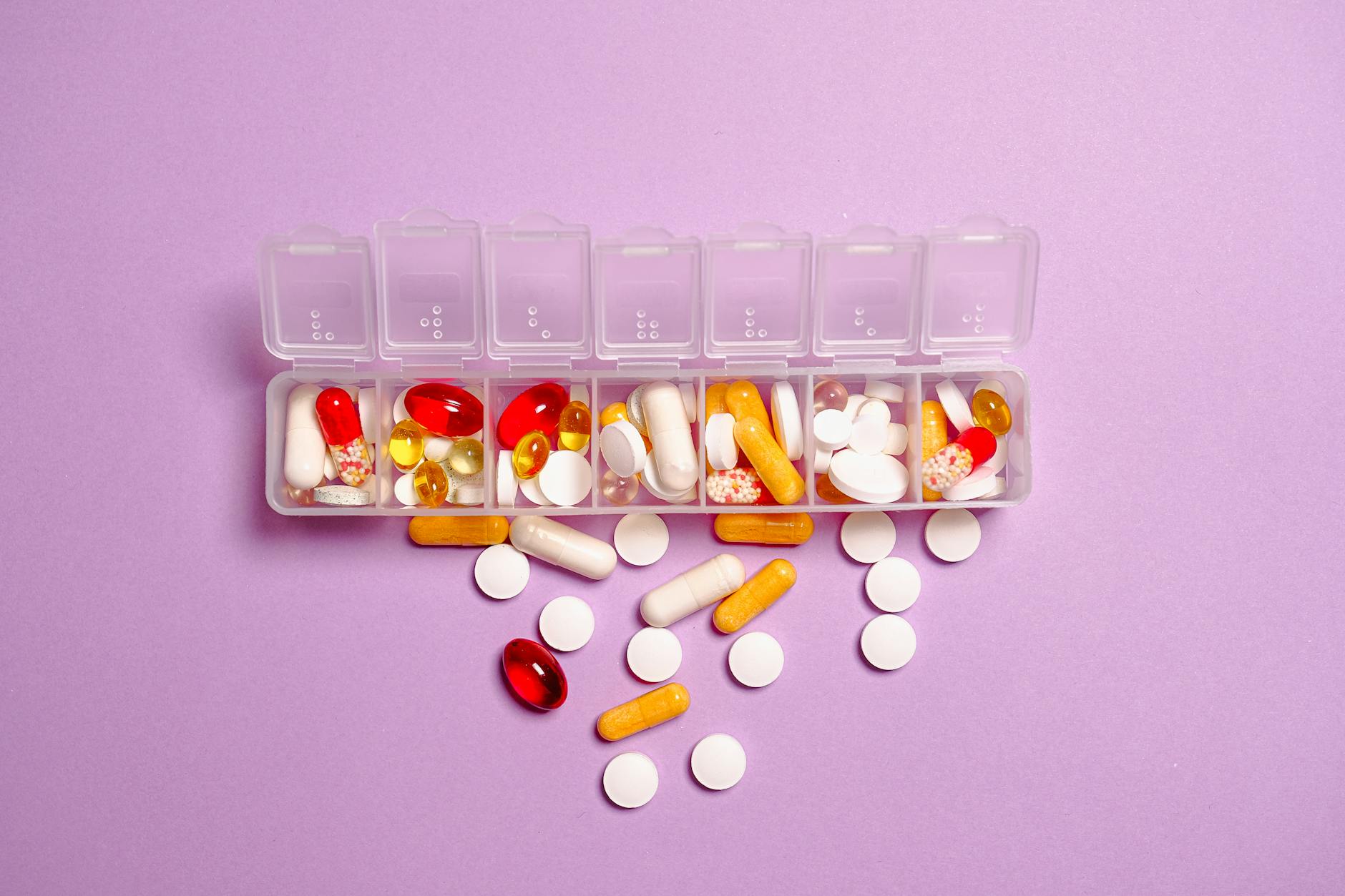
Why Women Have Unique Vitamin Needs
Women's nutritional requirements differ from men's in measurable, well-documented ways. The reasons are both physiological and hormonal — and they shift at every major life stage.
Menstruation costs women 15–20mg of iron per cycle through blood loss — a demand that men simply don't have. Estrogen plays a protective role in bone density during reproductive years, but once levels decline after menopause, bone turnover accelerates dramatically. According to the National Institute of Arthritis and Musculoskeletal and Skin Diseases ↗, women can lose up to 20% of their bone density in the five to seven years following menopause — making calcium, vitamin D, and K2 non-negotiable.
Pregnancy and breastfeeding create entirely new demands: folate requirements roughly double, iodine needs increase by 50%, choline becomes critical for fetal brain development, and overall caloric and micronutrient needs rise sharply. Getting these nutrients right in the weeks before and after conception shapes outcomes that last a lifetime.
Women's vitamin needs are not static. A 28-year-old woman planning a pregnancy, a 42-year-old in perimenopause, and a 60-year-old managing post-menopausal bone health each require a meaningfully different nutritional strategy — not the same pill marketed to all three.
The 9 Essential Vitamins and Minerals for Women
These nine nutrients consistently appear in the research as the areas where women are most likely to fall short — and where shortfalls have the most significant health consequences.
1. Vitamin D — The Hormone Masquerading as a Vitamin
Vitamin D is technically a steroid hormone produced when UV-B light hits your skin. It regulates over 200 genes and plays a central role in calcium absorption, immune function, mood regulation, and muscle strength. According to a 2022 analysis in Nutrients, approximately 42% of U.S. adults are vitamin D deficient — and women, particularly those with darker skin, limited sun exposure, or who live in northern latitudes, are disproportionately affected.
- Daily requirement: 600 IU (RDA) — though many experts recommend 1,000–2,000 IU for optimal levels
- Deficiency signs: Fatigue, low mood, frequent illness, bone pain, poor sleep quality
- Best supplement form: Vitamin D3 (cholecalciferol) — significantly more effective than D2 at raising blood levels
- Pair with: Vitamin K2 (MK-7 form) to direct calcium into bones rather than soft tissues
2. Iron — The Energy and Oxygen Carrier
Iron is essential for producing hemoglobin — the protein in red blood cells that carries oxygen to every tissue in your body. Iron deficiency is the most common nutritional deficiency worldwide, and women of reproductive age are at the highest risk. Low iron doesn't just cause anemia; even borderline deficiency produces fatigue, cognitive fog, impaired exercise performance, and poor temperature regulation long before a blood test shows anemia.
- Daily requirement: 18mg for premenopausal women; 8mg for postmenopausal women
- Deficiency signs: Fatigue, pale skin, shortness of breath, hair loss, brittle nails, frequent cold hands and feet
- Best supplement form: Ferrous bisglycinate — gentler on the stomach than ferrous sulfate and better absorbed
- Absorption tip: Take iron with vitamin C; avoid coffee, tea, or calcium within 2 hours of an iron supplement
3. Folate (Vitamin B9) — Critical Before and During Pregnancy
Folate is essential for DNA synthesis, red blood cell production, and rapid cell division. Its most famous role is preventing neural tube defects — the spinal and brain abnormalities that develop in the first 28 days of pregnancy, often before a woman knows she is pregnant. The CDC recommends ↗ that all women of reproductive age consume 400mcg of folate daily, increasing to 600mcg during pregnancy.
- Daily requirement: 400mcg (women); 600mcg (pregnant); 500mcg (breastfeeding)
- Best supplement form: Methylfolate (5-MTHF) — bypasses the MTHFR enzyme step that up to 40% of people cannot perform efficiently
- Note: Synthetic folic acid (found in many fortified foods) is not the same as natural folate — the body must convert it, a step that is genetically impaired in many women
4. Vitamin B12 — Nerve Function and Energy Production
Vitamin B12 is required for healthy nerve cells, DNA synthesis, and the production of red blood cells. It is found almost exclusively in animal products, which means vegetarians and vegans are at high risk of deficiency. Beyond diet, B12 absorption requires a stomach protein called intrinsic factor — production of which declines with age, meaning women over 50 are progressively less able to absorb B12 from food even when eating sufficient amounts.
- Daily requirement: 2.4mcg — but many supplements provide far more (500–1,000mcg) because absorption rates are low
- Deficiency signs: Fatigue, tingling or numbness in hands and feet, memory issues, depression, megaloblastic anemia
- Best supplement form: Methylcobalamin — the active form, better retained than cyanocobalamin in most tissues
- High-risk groups: Vegans, vegetarians, women over 50, those taking metformin or acid-reducing medications

5. Calcium — Bone Bank Deposits That Last a Lifetime
Calcium is the primary mineral in bone — 99% of the body's calcium is stored in bones and teeth, where it provides structural strength. Peak bone mass is achieved by age 30. After that, you're managing what you've already built. Women lose bone density at accelerated rates after menopause due to estrogen decline, and adequate calcium is essential throughout life to slow that loss. Most American women consume only about 60–70% of the recommended daily calcium intake.
- Daily requirement: 1,000mg (ages 19–50); 1,200mg (51 and over)
- Best supplement form: Calcium citrate — absorbed well without food and gentler on the stomach than calcium carbonate
- Critical pairing: Must be taken with vitamin D3 for absorption, and vitamin K2 to direct it to bones rather than arteries
- Note: Do not take more than 500mg at one time — absorption drops sharply above this threshold
6. Magnesium — The Overlooked Essential
Magnesium is involved in over 300 enzymatic reactions in the body — from energy production and protein synthesis to blood sugar regulation and nerve transmission. It's one of the most widespread deficiencies in the US, with surveys suggesting 48% of Americans don't meet the recommended intake. For women specifically, magnesium plays a documented role in reducing PMS symptoms, improving sleep quality, and supporting mood stability. It also works alongside calcium and vitamin D to maintain bone density.
- Daily requirement: 310–320mg for women; 350–360mg during pregnancy
- Deficiency signs: Muscle cramps, poor sleep, anxiety, fatigue, headaches, irregular heartbeat
- Best supplement form: Magnesium glycinate (best for sleep and mood) or magnesium malate (best for energy and muscle function)
- Avoid: Magnesium oxide — it's the cheapest form but only 4% bioavailable and commonly causes digestive upset
7. Vitamin C — Immune Defense and Collagen Production
Vitamin C is a powerful antioxidant that supports immune function, helps neutralize free radicals, and is required for collagen synthesis — the structural protein that keeps skin firm and joints functional. It also dramatically improves iron absorption: consuming vitamin C alongside plant-based iron sources can increase iron uptake by up to three times, making it especially valuable for vegetarian women. The body cannot store vitamin C, so daily intake from food or supplements is essential.
- Daily requirement: 75mg for women; 85mg during pregnancy; 120mg while breastfeeding
- Best food sources: Bell peppers (190mg per cup), kiwi (70mg each), broccoli (80mg per cup), strawberries (85mg per cup), citrus
- Supplement tip: Buffered or liposomal vitamin C is gentler on the stomach at higher doses than standard ascorbic acid
8. Vitamin K2 — The Calcium Traffic Director
Vitamin K2 is one of the most under-appreciated vitamins for women's long-term health. It activates two proteins — osteocalcin (which anchors calcium into bone matrix) and matrix Gla-protein (which prevents calcium from depositing in arteries). In practical terms, K2 ensures that the calcium you consume and the vitamin D you take actually ends up in your bones rather than your cardiovascular system. Without adequate K2, high calcium intake may actually increase arterial calcification.
- Daily requirement: No official RDA set; research supports 100–200mcg of MK-7 form daily for bone and cardiovascular benefits
- Best supplement form: MK-7 (menaquinone-7) — derived from fermented foods, has a longer half-life than MK-4
- Best food sources: Natto (fermented soybeans — the richest source), hard cheeses, egg yolks, grass-fed butter
- Note: If you take warfarin, consult your doctor before adding K2 — it can affect clotting time
9. Omega-3 Fatty Acids — Brain, Heart, and Hormone Support
Omega-3 fatty acids — specifically EPA and DHA — are essential fats the body cannot produce on its own. They are the building blocks of cell membranes throughout the body, concentrated especially in brain tissue. For women, omega-3s provide documented benefits for cardiovascular health, cognitive function, mood, reducing menstrual pain, supporting healthy pregnancy outcomes, and easing symptoms of perimenopause. According to the American Heart Association ↗, eating at least two servings of fatty fish per week provides meaningful cardiovascular protection.
- Daily requirement: 1.1g ALA per day (RDA); 250–500mg EPA + DHA recommended for general health by most cardiologists
- Best supplement form: Triglyceride-form fish oil — better absorbed than ethyl ester form; algae-based DHA for vegans
- Best food sources: Salmon (1,500–2,000mg EPA+DHA per 3oz), sardines, mackerel, anchovies, walnuts, flaxseeds
| Vitamin / Mineral | Primary Role | Best Form to Supplement | Who Needs It Most |
|---|---|---|---|
| Vitamin D3 | Bone, immunity, mood | D3 (cholecalciferol) + K2 | All women, especially over 40 |
| Iron | Oxygen transport, energy | Ferrous bisglycinate | Premenopausal women |
| Folate (B9) | DNA synthesis, pregnancy | Methylfolate (5-MTHF) | All reproductive-age women |
| Vitamin B12 | Nerve health, energy | Methylcobalamin | Vegans, women over 50 |
| Calcium | Bone density, muscle | Calcium citrate | Women over 50 |
| Magnesium | Sleep, mood, 300+ reactions | Glycinate or malate | Most women |
| Vitamin C | Immunity, collagen, iron uptake | Buffered ascorbate | All women, especially smokers |
| Vitamin K2 | Calcium routing, bone/heart | MK-7 (menaquinone-7) | Women over 40 taking calcium or D3 |
| Omega-3 (EPA/DHA) | Brain, heart, hormones | Triglyceride-form fish oil | All women, especially 40+ |
Vitamins by Life Stage
The right vitamin strategy evolves with you. Here is how priorities shift across the four key stages of a woman's nutritional life.
In Your 20s and 30s: Build Your Foundation
This is the window for peak bone mass — every unit of calcium and vitamin D3 you invest now pays dividends decades later. Folate and iron are high priorities through the reproductive years. Omega-3s support brain function and hormonal balance during high-demand years. The foundation: methylfolate (400–800mcg), iron (18mg if menstruating), vitamin D3 (1,000–2,000 IU), and omega-3s (500mg EPA+DHA).
In Your 40s (Perimenopause): Transition Support
Hormonal fluctuations in perimenopause affect sleep, mood, energy, and bone density simultaneously. Magnesium glycinate (300–400mg) supports sleep quality and reduces mood instability. B vitamins — particularly B6 and B12 — help with hormone metabolism. Vitamin D3 and K2 become increasingly important as estrogen's protective effect on bone begins to wane. Consider adding adaptogens like ashwagandha if stress is a consistent factor.
In Your 50s and Beyond: Protect What You've Built
After menopause, the priorities shift decisively toward bone protection and cardiovascular health. Switch to an iron-free formula (iron requirements drop to 8mg). Increase vitamin D3 to 1,500–2,000 IU if blood levels haven't been optimized. Pair calcium citrate with K2 (MK-7, 100–200mcg). B12 absorption declines with age — sublingual or higher-dose supplementation (500–1,000mcg) compensates for reduced gastric absorption. Omega-3s remain essential for heart and cognitive health.
During Pregnancy and Breastfeeding
Switch to a comprehensive prenatal supplement at least three months before conception. Key increases: folate to 600mcg (or up to 800mcg with MTHFR variants), iodine to 220mcg, iron to 27mg, DHA to at least 200mg. Choline (450mg) is now recognized as critical for fetal brain development but is absent from many prenatal vitamins — eggs are the best dietary source, or supplement separately.
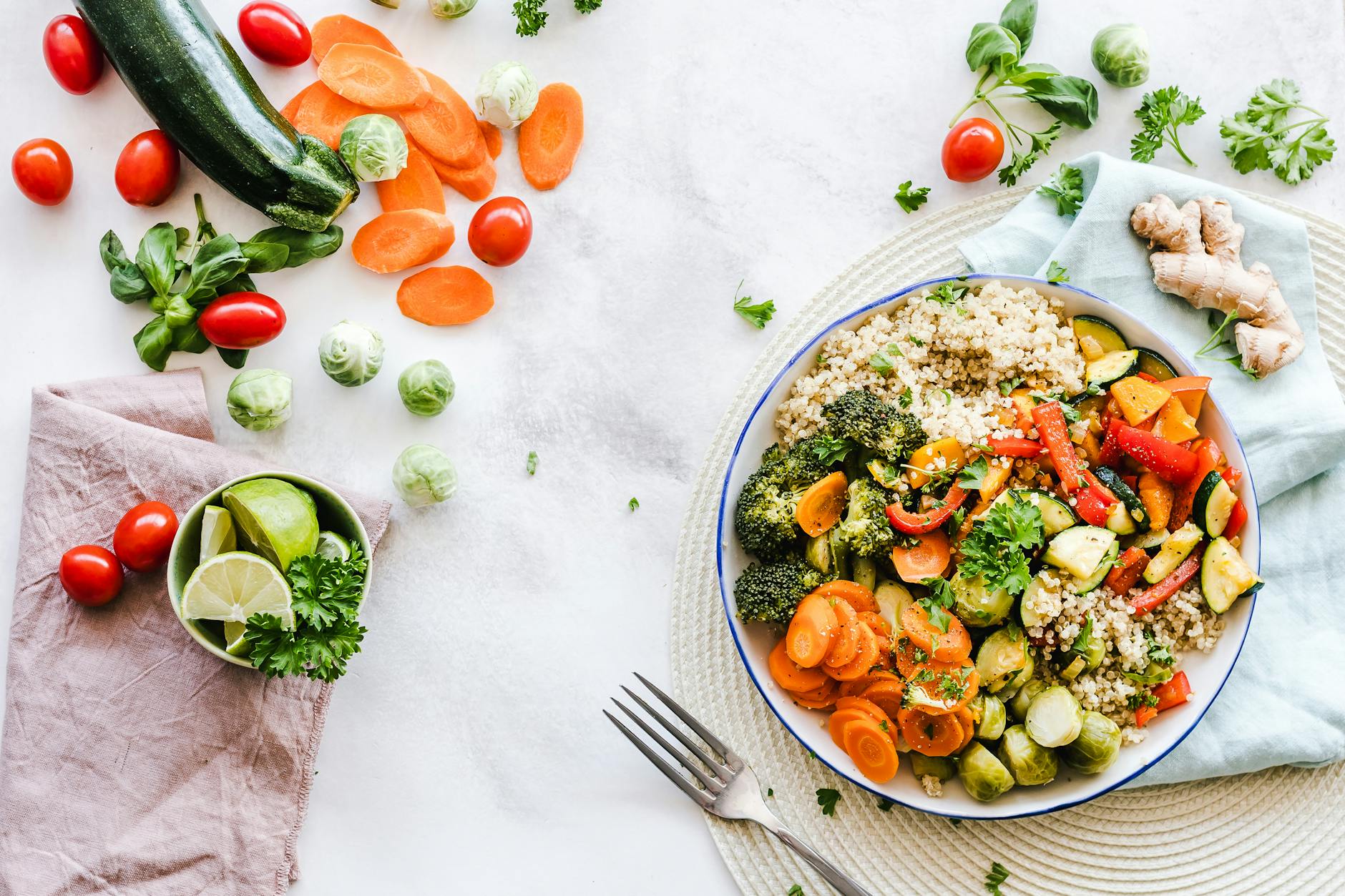
Best Food Sources for Each Nutrient
Food first is always the right approach. Whole foods deliver nutrients in natural ratios with cofactors that improve absorption and synergistic effects. Here are the most nutrient-dense sources for each of the nine key vitamins for women.
- Vitamin D: Salmon (450 IU per 3oz), sardines (190 IU), egg yolks (40 IU each), UV-exposed mushrooms, and sunlight (10–30 minutes of direct skin exposure at midday)
- Iron: Beef liver (6.5mg per 3oz), oysters (8mg per 3oz), spinach (3.7mg per cup cooked), lentils (6.6mg per cup), dark chocolate (3.4mg per oz)
- Folate: Chicken liver (770mcg per 3oz), edamame (482mcg per cup), dark leafy greens, asparagus (134mcg per half-cup cooked), black-eyed peas
- Vitamin B12: Clams (84mcg per 3oz — the richest food source), beef liver (70mcg), salmon (4.8mcg), fortified nutritional yeast, eggs (0.6mcg each)
- Calcium: Yogurt (415mg per cup), hard cheese (200–300mg per oz), kale (180mg per cup cooked), canned sardines with bones (325mg per 3oz), fortified plant milks
- Magnesium: Pumpkin seeds (150mg per oz), dark chocolate (65mg per oz), almonds (80mg per oz), spinach (78mg per half-cup cooked), black beans (60mg per half-cup)
- Vitamin C: Red bell pepper (190mg per cup), kiwi (70mg each), guava (125mg each), broccoli (80mg per cup), strawberries (85mg per cup)
- Vitamin K2: Natto (1,000mcg per 100g — by far the richest source), gouda and brie cheese (75mcg per 100g), egg yolks (32mcg per 100g), grass-fed butter
- Omega-3s: Atlantic salmon (1,800mg EPA+DHA per 3oz), sardines (1,400mg), mackerel (1,000mg), walnuts (2,570mg ALA per oz), ground flaxseeds (2,350mg ALA per tablespoon)
Fat-soluble vitamins (A, D, E, K) absorb significantly better when consumed with dietary fat. Always take vitamin D, K2, and omega-3 supplements with a meal that contains some fat — even a tablespoon of olive oil or a handful of nuts is enough to meaningfully improve uptake.
When to Supplement
Supplementation makes sense when dietary intake consistently falls short — which, for many women, is the norm rather than the exception. There are five situations where supplementing specific vitamins for women is particularly well-supported by evidence.
1. You Have a Confirmed Deficiency
If blood tests show low vitamin D, B12, iron, or magnesium, targeted supplementation is the appropriate response. Work with your doctor to determine the right dose and monitor levels to confirm correction. Don't guess at doses for nutrients where toxicity is possible (vitamin D, iron, vitamin A).
2. Your Diet Has Structural Gaps
Vegetarians and vegans should supplement B12 without question — it does not exist in meaningful amounts in plant foods. Those avoiding dairy need to monitor calcium and vitamin D intake. Low-calorie diets almost inevitably create micronutrient gaps. If your eating pattern systematically excludes food groups, fill those gaps with targeted supplements.
3. You Are Pregnant or Planning to Conceive
This is the clearest, most evidence-based case for supplementation. Start a quality prenatal vitamin with methylfolate three months before trying to conceive. The neural tube closes by week 6 of pregnancy — before most women know they're pregnant. This window cannot be recovered. A prenatal supplement with methylfolate, iron, iodine, and DHA is non-negotiable.
4. You Are Over 50
B12 absorption declines with age. Vitamin D synthesis from sun exposure also drops — older skin produces approximately 75% less vitamin D from UV light than younger skin. Bone turnover accelerates after menopause. These are physiological changes, not lifestyle choices — supplementation is appropriate and recommended.
5. You Have Limited Sun Exposure
If you work indoors, live above the 37th parallel (roughly north of Los Angeles or Richmond, VA), or consistently wear sunscreen or cover your skin, dietary vitamin D almost certainly cannot compensate for the lack of UV synthesis. A vitamin D3 supplement of 1,000–2,000 IU daily is low-risk and broadly beneficial.
More is not always better with vitamins. Fat-soluble vitamins (A, D, E, K) accumulate in body fat and can reach toxic levels with excessive supplementation. Vitamin D toxicity, while rare, causes hypercalcemia and is most often the result of supplementing very high doses without monitoring blood levels. Always test, then supplement — rather than supplementing blindly at high doses.
Frequently Asked Questions
What vitamins should women take every day?
Most women benefit from a daily routine that includes vitamin D3 (1,000–2,000 IU), magnesium glycinate (300–400mg), and omega-3 fatty acids (500mg EPA+DHA). Premenopausal women should also prioritize iron and methylfolate. A quality women's multivitamin can cover most bases if you choose one with bioavailable forms. According to the NIH, vitamin D, iron, and B12 are the most common deficiencies in women.
Which vitamin deficiency is most common in women?
Iron deficiency is the most common nutritional deficiency worldwide, disproportionately affecting women of reproductive age due to menstrual blood loss. Vitamin D deficiency is the second most prevalent, with approximately 42% of U.S. adults testing below optimal levels. Magnesium insufficiency — often subclinical — is estimated to affect close to half of all Americans.
Do vitamins for women actually work?
Vitamins work when there is a genuine deficiency or insufficiency to correct. They are not performance enhancers for people already meeting their nutritional needs — but most women are not. Targeted supplementation of proven shortfalls (D3, iron, B12, magnesium, folate) has strong evidence behind it and delivers measurable improvements in energy, mood, immune function, and long-term disease risk.
What vitamins are good for women's energy?
The most common vitamin-related causes of low energy in women are iron deficiency, vitamin B12 deficiency, vitamin D insufficiency, and low magnesium. Correcting any of these — especially iron and B12 — can produce significant improvements in energy within weeks. B-complex vitamins support mitochondrial energy production. If fatigue is persistent, get blood levels tested before supplementing.
When is the best time to take vitamins for women?
Take fat-soluble vitamins (D3, K2, A, E) and omega-3s with your largest meal of the day — fat enhances their absorption. Iron absorbs best on an empty stomach or with vitamin C, but away from calcium and coffee. Magnesium is most beneficial when taken in the evening, as it supports sleep onset and muscle relaxation. B vitamins are best taken in the morning, as they can be stimulating.
Can I get all the vitamins I need from food alone?
Theoretically yes — but practically, most women do not. Vitamin D is nearly impossible to obtain in adequate amounts from food alone without substantial sun exposure. Magnesium is depleted in modern agricultural soils, reducing the content of even healthy foods. B12 is unattainable for vegans without supplementation. A nutrient-dense, varied diet significantly reduces how much supplementation is needed, but rarely eliminates it entirely.
The Bottom Line on Vitamins for Women
Getting vitamins for women right is not about buying the most expensive supplement or taking a dozen pills every morning. It's about identifying the gaps specific to your age, diet, and life stage — and filling them with high-quality, bioavailable forms of the nutrients that matter most. Start with vitamin D3, magnesium glycinate, and methylfolate as your core foundation. Add iron if you're premenopausal, B12 if you eat little or no animal protein, and K2 if you're supplementing calcium or D3. Give any new supplement at least six to eight weeks before evaluating results, and retest blood levels annually to stay ahead of deficiencies before they become symptoms.
Your sleep, energy, mood, and long-term health are all downstream of your nutritional foundation. Build it well. Explore our full range of sleep and wellness supplements at RestEase Shop All.


