


The Best Natural Sleep Aid Without Dependency: What Actually Works in 2025

Getting deep, uninterrupted sleep without relying on medication is possible with the right natural approach.
Why So Many People Are Ditching Prescription Sleep Meds
Millions of adults lie awake at night running through tomorrow's to-do list, staring at the ceiling at 2 a.m., or waking up at 4 a.m. and never quite drifting back off. The prescription answer — Ambien, Lunesta, benzodiazepines — works in the short term. But ask anyone who's been on them for more than a few weeks and you'll hear the same story: the moment you stop, sleep gets worse than it ever was.
That rebound insomnia is real, and it's one of the main reasons more people are searching for the best natural sleep aid without dependency — something that supports the body's own sleep mechanisms rather than hijacking them.
This guide breaks down what the science says, what ingredients to look for, and how to build a supplement routine around sleep that you won't feel chained to.
Understanding Why Sleep Breaks Down in the First Place
Before reaching for any supplement — natural or otherwise — it's worth understanding what's actually disrupting your sleep.

Late-night screen exposure and stress keep cortisol elevated long after it should have dropped — a key driver of poor sleep.
The Role of Cortisol and Stress
Cortisol, the body's primary stress hormone, follows a natural rhythm. It should peak in the morning to wake you up and taper off by evening. For many adults — especially those dealing with chronic stress, irregular schedules, or high screen exposure at night — that rhythm gets inverted. Cortisol stays elevated in the evening, which directly suppresses melatonin production and delays sleep onset.
Adenosine, Caffeine, and Sleep Pressure
Adenosine is a naturally occurring compound that builds up in the brain throughout the day, creating what sleep researchers call "sleep pressure." The longer you're awake, the more adenosine accumulates — and the sleepier you feel. Caffeine works by blocking adenosine receptors, which is why it keeps you alert. But it doesn't eliminate adenosine; it just delays the signal. Once caffeine clears your system, all that built-up adenosine hits at once.
GABA Deficiency and Anxious Nights
GABA (gamma-aminobutyric acid) is the brain's primary inhibitory neurotransmitter — essentially the off switch for neurological activity. Low GABA levels are strongly associated with anxiety, racing thoughts at bedtime, and difficulty transitioning from light sleep to deep sleep. Many of the most effective natural sleep ingredients work, at least in part, by supporting GABA pathways.
What to Look for in a Natural Sleep Aid
Not all sleep supplements are created equal. Here's what separates the ones that work from the ones that just make you feel groggy.

The best natural sleep supplements combine multiple ingredients at synergistic doses — not a single sedating compound at maximum strength.
1. Melatonin — But Less Than You Think
Most melatonin products on the market are dosed at 5–10 mg. Research suggests that 0.3–1 mg is often enough to shift the sleep-wake cycle — higher doses don't necessarily improve sleep quality and may actually blunt your body's own melatonin sensitivity over time. Look for low-dose melatonin paired with other supportive compounds rather than high-dose melatonin on its own.
2. Magnesium Glycinate
Magnesium is involved in over 300 biochemical reactions in the body, including the regulation of GABA receptors. Magnesium deficiency — which affects an estimated 48% of Americans — is directly linked to sleep disturbance and nighttime muscle tension. The glycinate form is better absorbed and less likely to cause digestive upset than magnesium oxide.
3. L-Theanine
Found naturally in green tea, L-theanine promotes relaxation without sedation. It increases alpha brain wave activity — the same state associated with calm focus and the early stages of meditation. When combined with melatonin, studies show it can reduce the time it takes to fall asleep and improve overall sleep quality.
4. Ashwagandha
Ashwagandha is an adaptogenic herb with a strong evidence base for lowering cortisol levels and reducing stress-related sleep disruption. A 2019 clinical study found that 300 mg of ashwagandha root extract twice daily significantly improved sleep quality and morning alertness in adults with chronic stress.
5. Passionflower and Valerian Root
Both have been used in traditional herbalism for centuries. Passionflower works primarily by boosting GABA, while valerian root may act on GABA-A receptors — but without the dependency or morning fog associated with prescription alternatives.
The Dependency Problem: Why "Natural" Doesn't Always Mean Safe
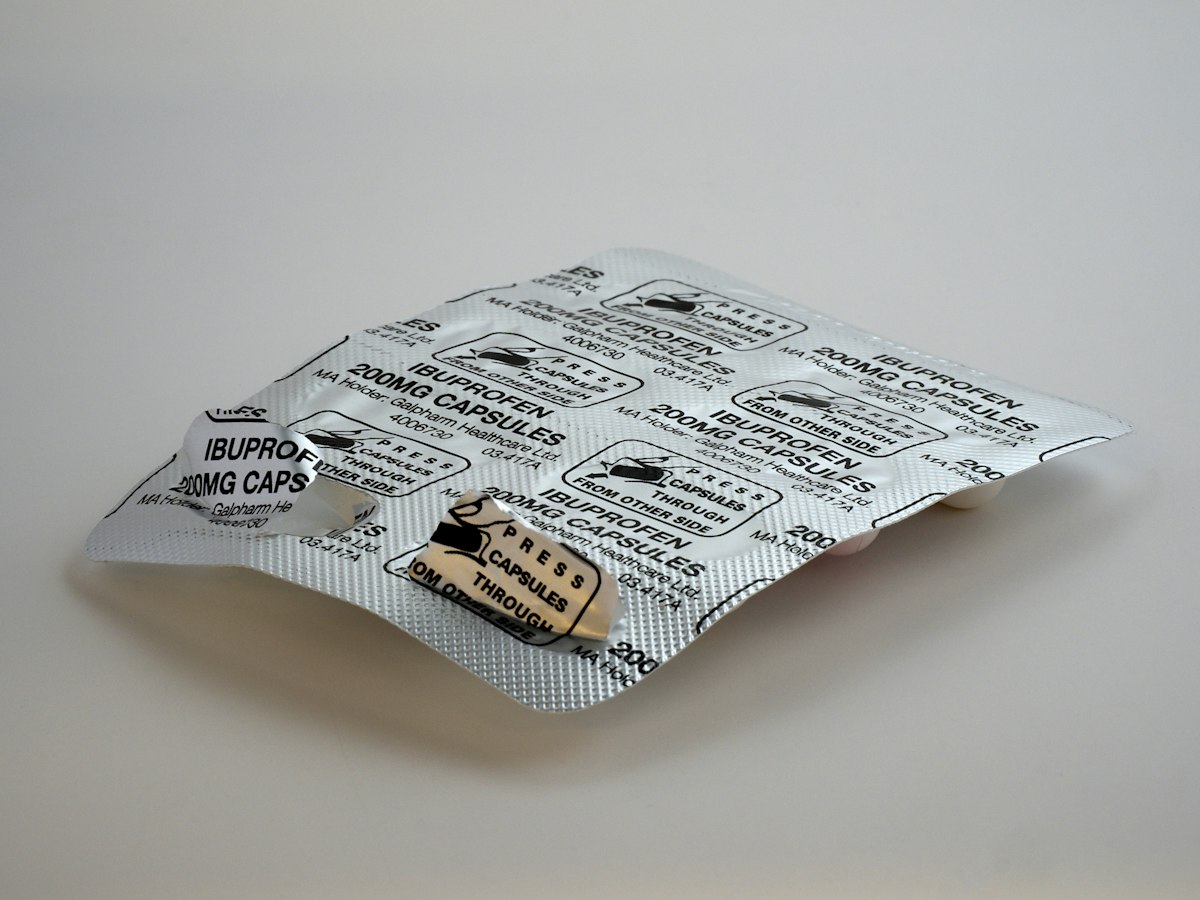
Even "natural" compounds like melatonin can create dependency when used in high doses nightly for extended periods.
Here's something the wellness industry doesn't always say out loud: even some natural sleep aids can become psychological crutches. Melatonin is a good example. Used occasionally to reset the sleep cycle — after jet lag, shift work, or a disrupted week — it's excellent. Used nightly for months, your brain may start producing less on its own.
How to Build a Non-Habit-Forming Sleep Routine
A supplement is only one piece of the puzzle. The most effective approach combines smart supplementation with behavioral changes that reinforce your circadian rhythm.
A consistent wind-down routine — away from screens and bright light — is one of the most evidence-backed tools for improving sleep onset.
Set a Consistent Sleep Window
Your body clock — the circadian rhythm — is regulated by light exposure and timing. Going to bed and waking up at the same time every day, even on weekends, is one of the most effective things you can do for sleep quality. It takes about two to three weeks to see the full effect, but the payoff is substantial.
Create a Wind-Down Buffer
Most people go from screen to bed with zero transition. The brain needs roughly 60–90 minutes to downshift from alert mode to sleep-ready. A consistent pre-sleep routine — dimming lights, avoiding screens, light stretching, journaling — signals the nervous system that sleep is coming.
Watch Your Caffeine Cutoff
Caffeine has a half-life of 5–7 hours. That afternoon coffee at 3 p.m. still has half its caffeine in your system at 8 p.m. and a quarter of it at midnight. For people sensitive to caffeine, cutting off intake by noon can make a noticeable difference in sleep onset time.
Supplement Strategically
Take your sleep supplement 30–60 minutes before your target sleep time — not at the moment you climb into bed. Most ingredients need time to cross the blood-brain barrier and begin working. Consistency matters more than any single dose.
RestEase: A Formula Built Around the Non-Dependency Principle
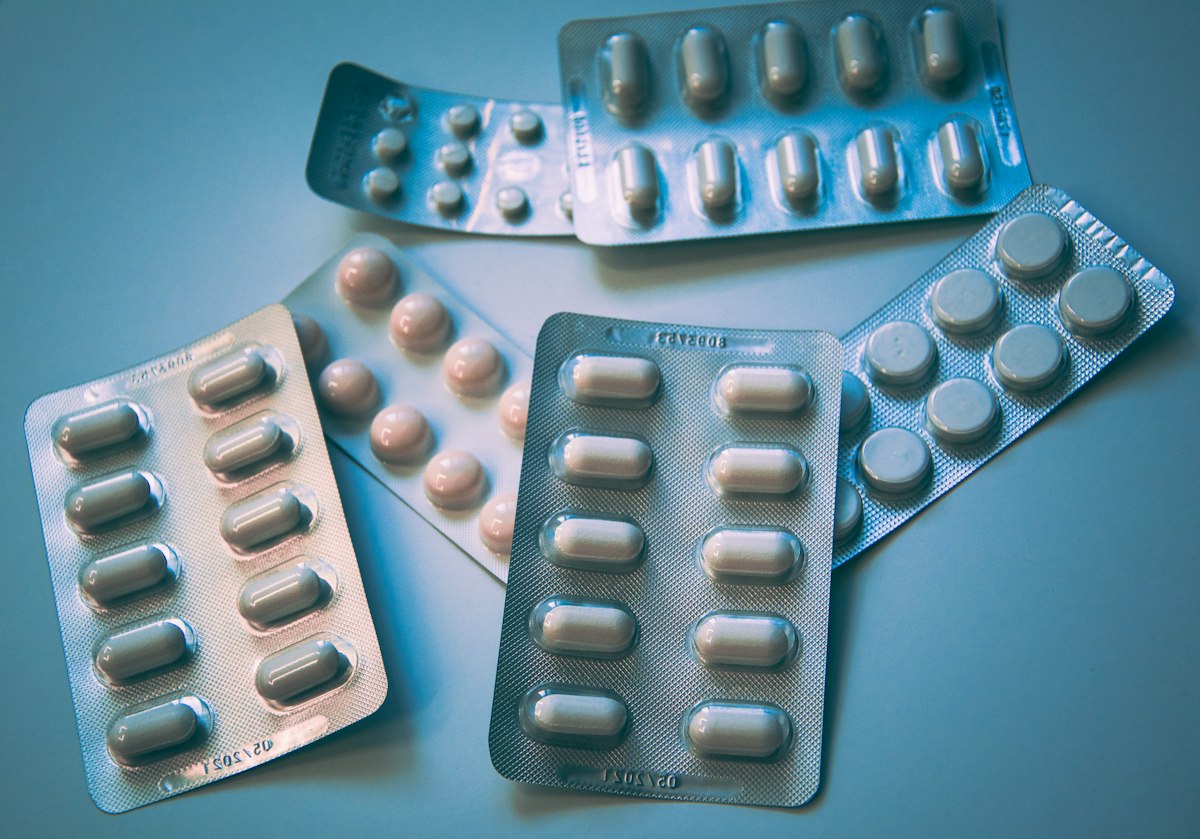
A well-formulated sleep supplement works with your body's own chemistry — not against it.
One supplement worth knowing about if you're serious about finding the best natural sleep aid without dependency is RestEase. Rather than leaning on a single heavy-hitting compound, RestEase combines a research-backed blend of magnesium glycinate, L-theanine, ashwagandha, and low-dose melatonin — designed to support the full sleep cycle without creating reliance.
What sets RestEase apart is its formulation philosophy: every ingredient is included at a dose chosen for synergy, not sedation. The goal is to help your nervous system do what it already knows how to do — wind down, cycle through restorative sleep stages, and wake feeling genuinely rested. For adults dealing with stress-driven sleep disruption, night-waking, or the racing thoughts that make falling asleep feel impossible, RestEase offers a thoughtful, non-habit-forming starting point worth exploring.
Signs You've Found the Right Sleep Aid
When a natural sleep supplement is working well, the signs are fairly clear:
- You fall asleep within 20–30 minutes of getting into bed
- You stay asleep through the night or return to sleep quickly if you wake
- You wake up feeling refreshed, not heavy or foggy
- You don't feel like you need it every single night — it supports your sleep rather than replacing your body's ability to sleep on its own
Waking up naturally, feeling rested rather than groggy, is the clearest sign that your sleep support is actually working.
Who Should Consult a Doctor First
Natural doesn't mean appropriate for everyone. Speak to a healthcare provider before starting a sleep supplement if:
- You're pregnant or breastfeeding
- You take medications for anxiety, depression, or blood pressure
- You have a diagnosed sleep disorder like sleep apnea
- Your sleep problems have persisted for more than three months without a clear cause
Chronic insomnia — defined as difficulty sleeping at least three nights per week for three months or more — often responds better to Cognitive Behavioral Therapy for Insomnia (CBT-I) than to any supplement alone.
Final Thoughts: Sleep Is a Skill You Can Relearn
Poor sleep is one of the most common and most underaddressed health complaints in the modern world. But it's not a permanent condition for most people. With the right combination of sleep hygiene, circadian support, and a well-formulated natural supplement like RestEase, meaningful improvement is well within reach — without trading one dependency for another.
The best natural sleep aid without dependency isn't a magic pill. It's a tool that works with your biology rather than against it. Start there, stay consistent, and give your body the time it needs to find its rhythm again.
Disclaimer: This article is for informational purposes only and does not constitute medical advice. Always consult a qualified healthcare professional before starting any new supplement.


