


Supplements for Women: The 8 Best Options Backed by Science (2026)
The best supplements for women address the nutrient gaps most common in female physiology: magnesium for sleep and anxiety, iron for energy and reproductive health, vitamin D for immunity and mood, omega-3s for hormonal balance, and B vitamins for energy metabolism. This evidence-based guide covers exactly what to take and why.
Walk into any pharmacy or health food store and you'll face an overwhelming wall of supplements claiming to transform your health. For women specifically, the challenge isn't just choosing — it's knowing which gaps are real and which products actually address them. The answer isn't more supplements. It's the right supplements for women, chosen based on how female physiology actually works.
Women's bodies have distinct nutritional demands that shift across life stages. Menstruation, pregnancy, perimenopause, and menopause each alter how the body uses, absorbs, and depletes key nutrients. Research consistently shows women are more likely to be deficient in iron, magnesium, vitamin D, and B12 than men of the same age and diet. These aren't minor shortfalls. They affect energy levels, mood stability, sleep quality, bone density, and long-term disease risk.
This guide focuses on the supplements with the strongest evidence for women's health — what each one does, why women specifically need it, how to choose quality products, and how to time intake for maximum benefit.
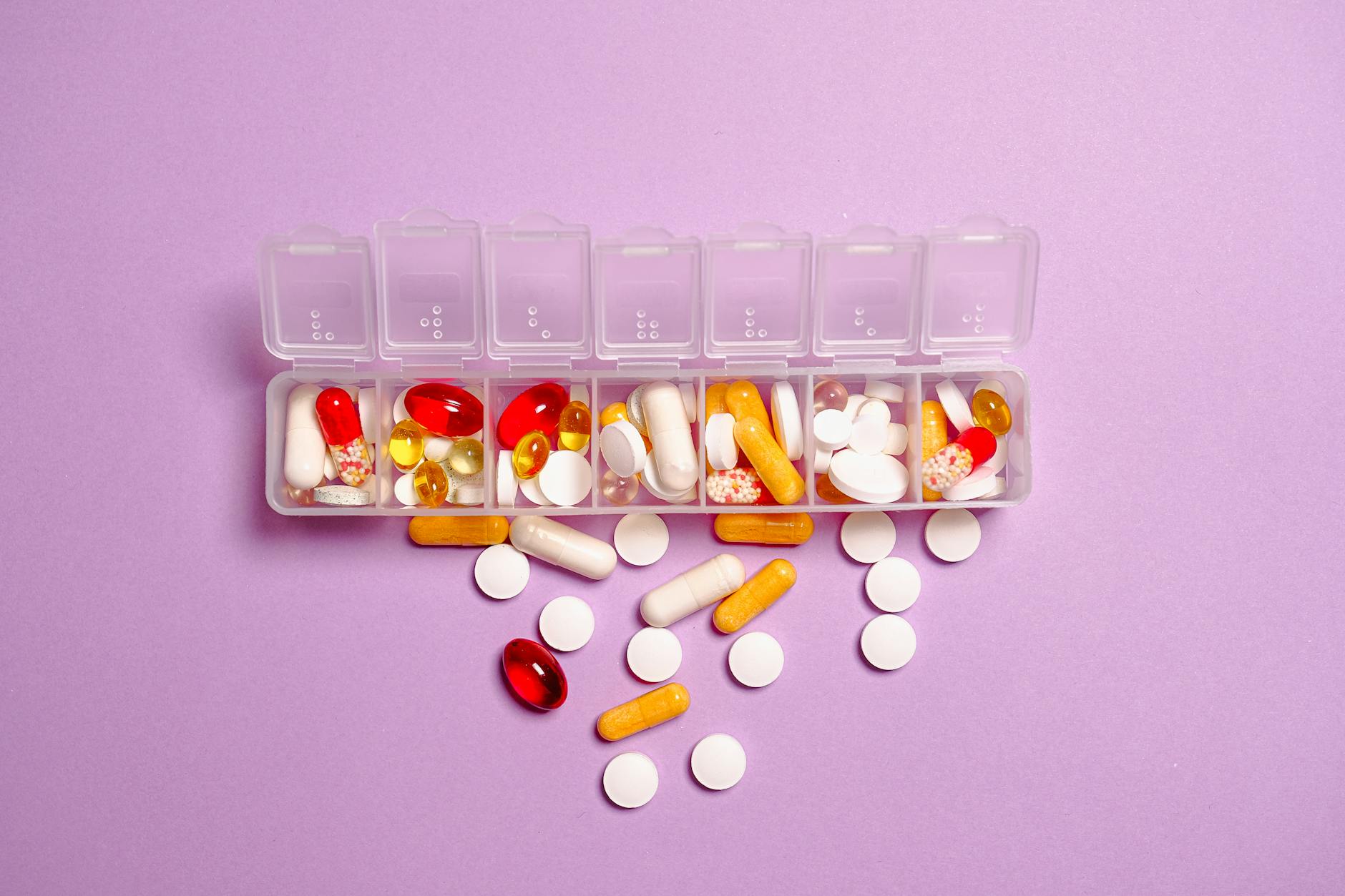
Why Women Have Unique Supplement Needs
Women's bodies go through hormonal shifts that men's bodies don't — menstruation, pregnancy, perimenopause, and menopause all change how the body uses and absorbs key nutrients. On top of that, research consistently shows women are more likely to be deficient in iron, magnesium, vitamin D, and B12. These aren't minor gaps. They affect energy, mood, sleep quality, bone health, and immune function. Getting the right supplements in place fills those gaps precisely.
The supplement market is enormous and overwhelming. Walk into any health store and you'll face hundreds of options with overlapping claims. This guide cuts through the noise by focusing on supplements with strong evidence for women's health specifically — what they do, why women need them more than men, and how to choose quality products.
The Gap Between What Women Need and What They Get
Most women don't realize they're deficient in multiple nutrients simultaneously. A 2020 nutritional survey found that 42% of women in the US are vitamin D deficient ↗, over 10% are iron deficient, and a significant portion fall short on magnesium — the mineral responsible for over 300 enzymatic processes in the body. You can eat a balanced diet and still miss the mark because modern food processing depletes nutrients, stress depletes magnesium rapidly, and certain life stages dramatically increase demand.
Magnesium: The Most Underrated Supplement for Women
If you could only take one supplement, magnesium would be a strong candidate. It's involved in muscle function, nerve signaling, blood sugar regulation, bone formation, and sleep quality. Women who are magnesium deficient — which is most women — often experience anxiety, poor sleep, muscle cramps, and fatigue without connecting those symptoms to a single mineral.
The challenge with magnesium is form. Not all magnesium supplements are equally effective. Magnesium oxide is cheap and common but absorbs poorly. For sleep and anxiety specifically, magnesium glycinate ↗ offers the best combination of absorption and calming effects. Magnesium citrate works well for digestion. Magnesium malate is often used for energy and muscle recovery.
How Much Magnesium Do Women Need
The recommended dietary allowance for magnesium is 310 to 320mg per day for adult women, slightly higher during pregnancy at 350 to 360mg. Most women get roughly 200 to 250mg through diet, leaving a meaningful gap. A supplement of 200 to 400mg taken in the evening supports both sleep quality and next-day energy. RestEase incorporates magnesium glycinate specifically because of its superior absorption and calming profile.
Take magnesium in the evening, 30 to 60 minutes before bed. It helps relax muscles, calm the nervous system, and supports deeper sleep — benefits that compound with consistent nightly use.
Iron: Essential but Often Overlooked
Iron deficiency is the most common nutritional deficiency worldwide, and women of reproductive age are disproportionately affected. Every menstrual cycle results in iron loss. Without adequate replacement through diet or supplementation, iron stores deplete gradually — leading to fatigue, brain fog, pale skin, and eventually anemia ↗.
The tricky part is that iron deficiency fatigue feels similar to general tiredness, stress fatigue, or poor sleep. Many women spend years feeling chronically low-energy without realizing the cause is something a simple blood test and targeted supplementation could address.
Choosing the Right Iron Supplement
Iron supplements come in several forms. Ferrous sulfate is common and effective but can cause constipation and nausea. Ferrous bisglycinate (iron glycinate) is gentler on the digestive system and better absorbed. If you've struggled with iron supplements in the past, switching form often solves the problem. Always take iron on an empty stomach with vitamin C to maximize absorption — but not with calcium, which blocks uptake.

Vitamin D: The Hormone That Acts Like a Vitamin
Vitamin D functions more like a hormone than a typical vitamin. It regulates calcium absorption, immune function, mood, muscle strength, and inflammatory response. Deficiency is linked to depression, fatigue, increased infection risk, and bone density loss — all concerns that become more pressing for women as they age.
Despite being called the "sunshine vitamin," most people in northern latitudes don't get enough sun exposure to produce adequate vitamin D, especially during winter months. Darker skin tones need more sun exposure to synthesize the same amount of vitamin D. Indoor lifestyles compound the problem across all populations.
Vitamin D3 vs D2 for Women
When choosing a vitamin D supplement, opt for D3 (cholecalciferol) over D2 (ergocalciferol). D3 is the form your skin produces naturally and raises blood levels more effectively and for longer. Most adults benefit from 1,000 to 2,000 IU daily as maintenance, though optimal levels vary based on existing deficiency and sun exposure. Taking vitamin D with a fat-containing meal improves absorption since it's fat-soluble ↗.
Vitamin D and magnesium work together — magnesium is needed to activate vitamin D in the body. Taking both together creates a synergy that amplifies the benefit of each, especially for sleep, mood, and bone health.
Omega-3 Fatty Acids: Brain, Heart, and Hormonal Support
Omega-3 fatty acids — specifically EPA and DHA — are essential fats your body can't produce on its own. They support brain function, reduce inflammation, support cardiovascular health, and play a role in hormonal balance. For women, omega-3s have shown benefits in managing PMS symptoms, supporting mood stability during hormonal shifts, and protecting cognitive function as they age.
Most people in Western diets are heavy in omega-6 fatty acids (from vegetable oils) and low in omega-3s. This ratio matters — a high omega-6 to omega-3 ratio promotes inflammation, which underlies dozens of chronic health conditions. Correcting that ratio through fatty fish consumption or fish oil supplementation has measurable health benefits.
Fish Oil vs Algae-Based Omega-3
Fish oil is the most common omega-3 source, but algae-based omega-3 supplements offer a plant-based alternative with comparable DHA content. Algae is actually where fish get their omega-3s in the first place. For women who follow plant-based diets, algae omega-3 is the cleaner choice. Look for products that list EPA and DHA content separately rather than just "omega-3s," and aim for at least 500mg of combined EPA/DHA per serving.
B Vitamins: Energy, Mood, and Cellular Health
The B vitamin family is essential for converting food into energy, supporting neurological function, and maintaining healthy red blood cells. Women are particularly vulnerable to B12 deficiency — which increases with age and is nearly universal among those following vegan diets, since B12 comes almost exclusively from animal products.
Folate (B9) ↗ is another critical B vitamin for women, especially during reproductive years. Adequate folate before and during pregnancy dramatically reduces the risk of neural tube defects. Many women don't get enough folate from diet alone, making supplementation important for anyone who could become pregnant.
B12 Absorption Gets Harder With Age
B12 absorption relies on a stomach protein called intrinsic factor. As women age, intrinsic factor production declines, making it harder to absorb B12 even from dietary sources. Sublingual B12 (dissolved under the tongue) bypasses this issue by absorbing directly into the bloodstream. This form is particularly valuable for women over 50 or those on medications like metformin, which is known to deplete B12.

Collagen: Skin, Joints, and Sleep Support
Collagen is the most abundant protein in the body, forming the structural foundation of skin, tendons, cartilage, and bones. Production naturally declines starting in the mid-twenties, contributing to skin aging, joint stiffness, and reduced tissue recovery. Supplementing with collagen peptides provides the building blocks your body needs to maintain these structures.
For sleep specifically, collagen contains high amounts of glycine — an amino acid that helps lower core body temperature and calm the nervous system before bed. Research shows glycine supplementation can reduce time to fall asleep and improve morning alertness. Women dealing with both skin concerns and sleep disruption get a two-for-one benefit from collagen.
Probiotics: Gut Health and Hormonal Balance
The gut microbiome plays a surprising role in hormonal health. A specific set of gut bacteria called the "estrobolome" helps regulate estrogen metabolism. An imbalanced microbiome can disrupt estrogen levels, contributing to PMS, perimenopause symptoms, and hormonal acne. Probiotics support a healthier microbial balance with downstream effects on hormonal regulation.
Women are also more prone to urinary tract infections and yeast infections — both influenced by microbial balance. Certain probiotic strains, particularly Lactobacillus species, help maintain vaginal and urinary tract health by competing with harmful bacteria.
How to Choose a Probiotic That Works
The probiotic market is full of products that don't survive stomach acid well enough to colonize the gut. Look for products with enteric coating or verified survivability claims, listed by strain (not just species), with at least 10 to 20 billion CFUs. Refrigerated options often maintain potency better than shelf-stable ones, though newer shelf-stable technologies have improved significantly.
Pair probiotics with prebiotic-rich foods (garlic, onions, bananas, oats) to give the beneficial bacteria what they need to thrive. This dietary combination is more effective than probiotics alone.
Frequently Asked Questions
The Bottom Line
Supplementing strategically makes a real difference for women at every life stage. The supplements covered here — magnesium, iron, vitamin D, omega-3s, B vitamins, collagen, and probiotics — each address specific gaps that affect energy, mood, hormonal balance, sleep quality, and long-term health. Rather than taking everything at once, identify your most pressing needs, consider testing to confirm deficiencies, and build a targeted stack from there.
For sleep support specifically, RestEase offers formulations built around magnesium glycinate and other research-backed ingredients that work particularly well for women dealing with hormonal sleep disruption. Sometimes the most impactful change is the most targeted one.


