


Best Hair Growth Vitamins: A Practical Step-by-Step Guide to Healthier Hair
You've watched more hair swirl down the shower drain than you'd like to admit. Your ponytail feels thinner. Your part looks wider. And you're wondering if those supplement bottles promising miracle results are worth the money.
Here's the honest answer about the best hair growth vitamins: they work, but only when you choose the right ones and use them correctly. The nutrients your body needs for strong, healthy hair include biotin ↗, iron, zinc, vitamin D, and specific B vitamins. These compounds support the hair follicle's growth cycle, strengthen the hair shaft, and reduce breakage from the inside out.
But knowing which vitamins help isn't enough. You need to understand how to take them, when to expect results, and which formulas actually deliver on their promises. This guide walks you through every step, from identifying your specific nutrient gaps to building a supplement routine that fits your life.
The good news? With the right approach, most people notice visible improvements within 8 to 12 weeks.
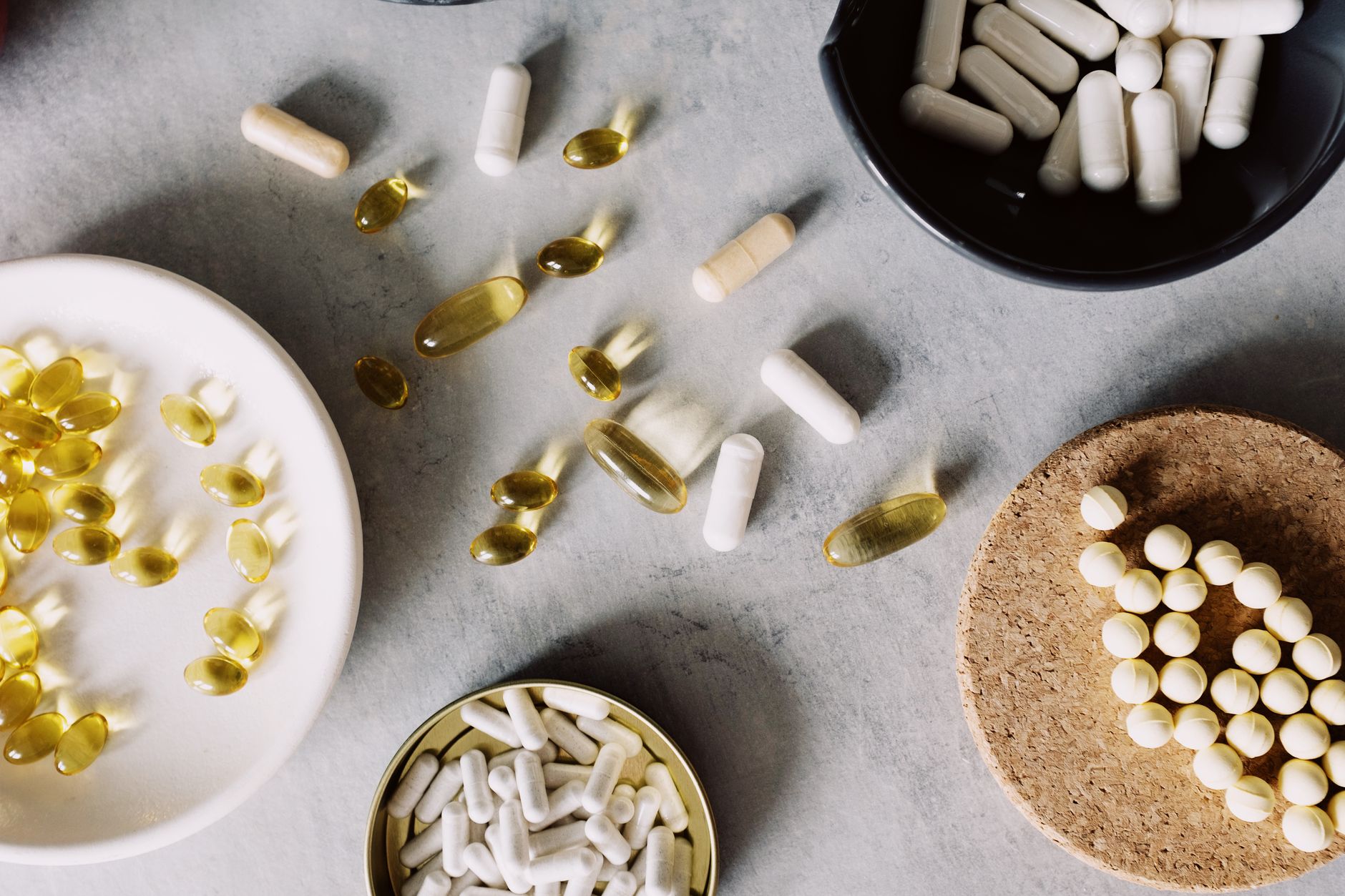
How Prenatal Vitamins Support Hair Growth Beyond Pregnancy
You've probably heard pregnant women rave about their amazing hair. That thick, shiny pregnancy glow isn't just hormones. Prenatal vitamins play a significant role in hair quality, and you don't need to be expecting to benefit from them.
Prenatal vitamins contain higher doses of hair-supporting nutrients than standard multivitamins. They typically include 400 to 800 mcg of folic acid ↗, 27 mg of iron, and substantial amounts of biotin. These nutrients support rapid cell division, which is exactly what your hair follicles need during the growth phase.
The reason prenatal vitamins work so well comes down to their comprehensive formula. Hair growth requires multiple nutrients working together. Iron carries oxygen to hair follicles. Folic acid supports new cell creation. B vitamins ↗ help convert food into the energy your follicles need. When you get all these in one formula, your body has everything it needs for optimal hair production.
What to Know Before Taking Prenatals for Hair
- Check with your doctor first, especially if you're not pregnant
- Look for formulas with methylated folate if you have MTHFR gene variations ↗
- Start with one capsule daily with breakfast for best absorption
- Expect to take them consistently for at least 3 months before judging results
If you're considering prenatal vitamins specifically for hair growth, choose a formula with at least 300 mcg of biotin and 18 mg of iron. Take it with food to minimize stomach upset.
Choosing the Best Prenatal Vitamins for Maximum Hair Benefits
Not all prenatal formulas deliver equal results for hair growth. The best prenatal vitamins for hair contain specific nutrient forms that your body absorbs efficiently. Knowing what to look for saves you money and gets you faster results.
Look for methylcobalamin ↗ instead of cyanocobalamin for vitamin B12. Choose iron bisglycinate or iron fumarate over iron sulfate, which causes stomach issues for many people. The best prenatal vitamins also include vitamin D3 ↗ rather than D2, since D3 raises blood levels more effectively.
Pay attention to what's not in the formula too. Many cheap prenatals contain fillers, artificial colors, and low-quality nutrient forms. These additives don't harm your hair directly, but they indicate the manufacturer cut corners elsewhere. Quality matters when you're counting on these nutrients to reach your hair follicles.
Key Ingredients in Top Prenatal Formulas
- Biotin: 300 to 1,000 mcg supports keratin production
- Folate: 400 to 800 mcg as methylfolate for cell growth
- Iron: 18 to 27 mg for oxygen delivery to follicles
- Vitamin D3: 600 to 1,000 IU for follicle cycling
- Zinc: 8 to 11 mg for protein synthesis and repair
Compare three prenatal vitamin labels before purchasing. Prioritize formulas that list specific nutrient forms (like "methylfolate" rather than just "folate") and contain no artificial dyes.

How to Find the Best Multivitamin for Women Who Want Stronger Hair
You might not need a prenatal at all. The best multivitamin for women focused on hair growth can deliver similar results when formulated correctly. The key is knowing which nutrients to prioritize and which marketing claims to ignore.
Start by checking the iron content. Many women's multivitamins contain only 8 to 10 mg of iron, which won't address deficiency-related hair loss. If your bloodwork shows low ferritin (the storage form of iron), you need at least 18 mg daily. The best multivitamin for women with thinning hair includes this higher dose along with vitamin C ↗ to boost absorption.
Selenium ↗ deserves attention too. This trace mineral protects hair follicles from oxidative damage and supports thyroid function. Low thyroid activity is a common but overlooked cause of hair loss. Look for 55 mcg of selenium in your multivitamin, but avoid mega-doses above 200 mcg which can actually cause hair loss.
Timing matters as much as the formula itself. Take your multivitamin with your largest meal of the day. Fat-soluble vitamins like D, E, and K absorb better with dietary fat. Water-soluble B vitamins absorb regardless of food, but taking everything together builds a consistent habit.
Your Step-by-Step Selection Process
- Write down your three biggest hair concerns (thinning, breakage, slow growth)
- Get bloodwork to check iron, vitamin D, and thyroid levels
- Match your deficiencies to multivitamin formulas that address them
- Read reviews from women with similar hair types and concerns
- Commit to 90 days before evaluating results
Schedule bloodwork with your doctor before buying any supplements. Knowing your actual nutrient levels prevents wasting money on vitamins you don't need while ensuring you address real deficiencies.
Building Your Daily Vitamin Routine for Hair Growth
Having the right supplements means nothing if you don't take them correctly. This step-by-step routine maximizes absorption ↗ and ensures your hair follicles actually receive the nutrients you're paying for.
Morning Routine (Within 30 Minutes of Breakfast)
Take your main multivitamin or prenatal with breakfast. Include some healthy fat like avocado, eggs, or nut butter to boost absorption of vitamins A, D, E, and K. Drink a full glass of water to help dissolve the capsule completely.
If you take additional iron, pair it with vitamin C ↗ from orange juice or a supplement. Never take iron with coffee, tea, or calcium-rich foods, as these block absorption by up to 60%.
Midday Considerations
Some people split their B-complex vitamins between morning and afternoon because B vitamins are water-soluble and leave your body within hours. If you take a separate B-complex for hair growth, consider taking half the dose at lunch.
Stay hydrated throughout the day. Your body needs adequate water to transport nutrients through your bloodstream to hair follicles. Aim for 8 glasses minimum.
Evening Routine
If your formula includes magnesium ↗, consider taking it before bed. Magnesium supports better sleep quality, and your body does significant repair work while you rest. This connects directly to hair health, since poor sleep disrupts the hormones that regulate hair growth.
RestEase was created with this mind-body connection in focus. Quality rest supports everything from stress management to nutrient absorption, both of which affect hair growth.
- Take fat-soluble vitamins with meals containing healthy fats
- Space iron away from coffee, tea, and dairy by at least 2 hours
- Keep supplements visible on your bathroom counter or kitchen table
- Set a phone alarm until the habit becomes automatic
Create a simple chart listing each supplement, the best time to take it, and what to pair it with. Post this on your refrigerator for the first month.
What to Expect: Timeline and Realistic Results
Managing expectations prevents frustration and helps you stick with your routine long enough to see results. Hair grows approximately half an inch per month, which means visible changes take time.
Week 1 to 4
Don't expect visible hair changes yet. Your body is building up nutrient stores and correcting deficiencies. You might notice improved energy levels, better nail growth, or enhanced skin quality. These are good signs that absorption is working.
Some people experience mild digestive changes when starting new supplements. This typically resolves within 2 weeks as your gut adjusts. If stomach upset ↗ persists, try switching to a different brand or taking your vitamins with larger meals.
Week 5 to 8
New hair growth starts at the follicle level during this phase. You won't see length yet, but the hair emerging from your scalp now contains the nutrients you've been taking. This hair will be stronger from root to tip.
Pay attention to how much hair falls out during washing and brushing. A gradual decrease indicates your follicles are holding onto hair longer. Normal shedding ranges from 50 to 100 strands daily. Anything significantly above this warrants a conversation with your doctor.
Week 9 to 12
This is when most people notice visible improvements. Look for:
- Less hair in your brush and shower drain
- Baby hairs sprouting at your hairline
- Increased shine and texture improvement
- Stronger hair that snaps less during styling
Take a close-up photo of your hairline and part on day one. Repeat monthly under the same lighting conditions. These comparison photos reveal gradual progress you might otherwise miss.
Safety Guidelines and When to See a Doctor
Vitamins are generally safe, but more isn't always better. Understanding proper dosing protects your health and ensures supplements help rather than harm.
Watch for these warning signs that require medical attention:
- Sudden, rapid hair loss or bald patches
- Hair loss accompanied by fatigue, weight changes, or mood shifts
- Scalp redness, itching, or painful bumps
- Hair loss after starting a new medication
Iron supplements ↗ require particular caution. Too much iron causes serious problems including liver damage. Never take iron supplements without bloodwork confirming you need them. If your ferritin levels are normal, extra iron won't help your hair and might hurt your health.
Biotin supplements above 2,500 mcg can interfere with lab test results, potentially causing false readings on thyroid panels, cardiac markers, and other important bloodwork. Tell your doctor about biotin supplementation before any lab tests, and consider stopping high-dose biotin 48 hours beforehand.
Who should skip certain supplements: Pregnant or nursing women should use only pregnancy-approved formulas. People on blood thinners should avoid high-dose vitamin E. Those with kidney disease need to limit potassium and phosphorus. Anyone with autoimmune conditions should consult their doctor first.
Make a list of every supplement you take and share it with your healthcare provider at your next appointment. This prevents dangerous interactions with medications.
Frequently Asked Questions
What are the best vitamins for hair growth if I'm on a budget?
The best vitamins for hair growth on a budget include a basic women's multivitamin with iron and a separate biotin supplement. Look for store brands from reputable pharmacies, which often contain identical ingredients to expensive versions. Prioritize iron, biotin, vitamin D, and zinc. You can find quality options for under $15 per month.
How long do I need to take vitamins before my hair shows improvement?
Most people see noticeable changes within 8 to 12 weeks of consistent supplementation. Hair growth happens slowly, averaging about half an inch monthly. The best vitamins for hair growth need time to correct deficiencies and strengthen new growth at the follicle level. Commit to at least 90 days before evaluating results.
Can I take multiple hair growth supplements together?
Yes, but carefully. Avoid duplicating nutrients across products, especially iron, vitamin A, and selenium, which can reach toxic levels. Add up the total amount of each nutrient from all your supplements and compare against recommended daily allowances. When in doubt, choose one comprehensive formula rather than stacking multiple products.
Do hair growth vitamins work for everyone?
Hair growth vitamins work best for people whose hair loss stems from nutritional deficiencies. If your hair loss comes from genetics, hormonal conditions, autoimmune disorders, or medications, vitamins alone may not solve the problem. Getting proper diagnosis helps determine whether supplements will help your specific situation.
Should I take my hair vitamins with food or on an empty stomach?
Take most hair growth vitamins with food, specifically a meal containing healthy fats. This maximizes absorption of fat-soluble vitamins including D, E, and K. Iron absorbs better on a slightly empty stomach, but food prevents the nausea many people experience. If iron bothers your stomach, taking it with a small amount of food is better than skipping doses.

The Bottom Line
Finding the best hair growth vitamins requires matching supplements to your specific needs, taking them consistently, and giving your body time to respond. Start with bloodwork to identify actual deficiencies rather than guessing. Choose quality formulas with absorbable nutrient forms. Build a morning routine that makes daily supplementation automatic.
The best vitamins for hair growth deliver results when paired with overall wellness habits. Sleep quality, stress levels, and hydration all influence how well your body uses the nutrients you're taking. Brands like RestEase support this holistic approach, recognizing that healthy hair starts with a well-rested, well-nourished body.
Your hair didn't thin overnight, and it won't recover overnight either. But with the right vitamins and realistic expectations, you can absolutely grow stronger, healthier hair. Start with one step today.


